
**Blog Post: Positions to Help You Sleep Better and Stop Snoring**
Sleep is essential for our overall health and well-being. However, for many people, getting a good night’s rest can be a struggle due to snoring. Snoring not only disrupts your own sleep, but it can also affect your partner’s sleep as well. The good news is that there are various positions you can try to help you sleep better and stop snoring. These positions not only alleviate snoring but also promote better sleep quality. In this blog post, we will discuss the best positions to help you sleep better and stop snoring.
1. Sleeping on Your Side
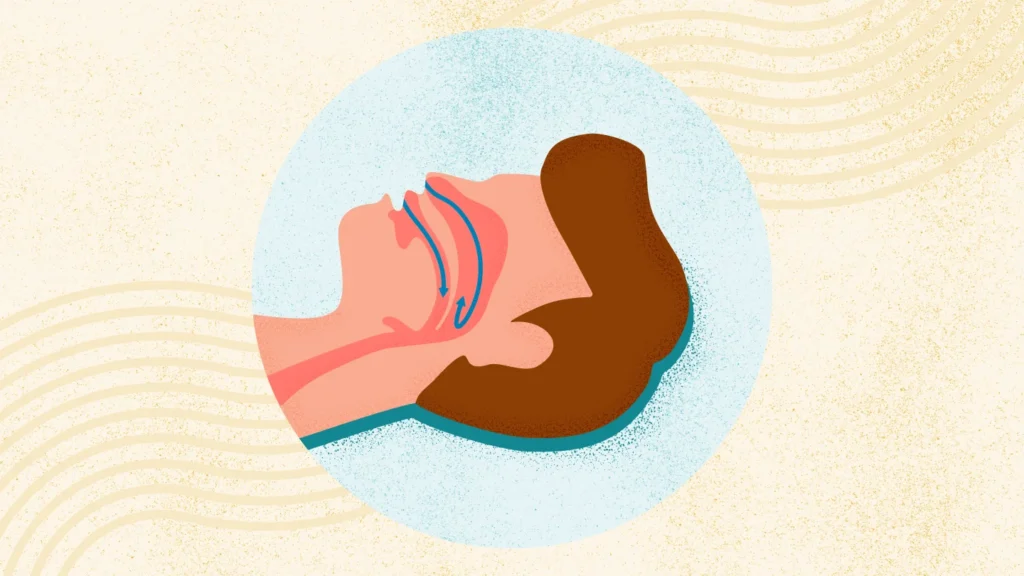
One of the most effective positions for reducing snoring is sleeping on your side. When you sleep on your back, your tongue and soft palate can collapse back into your throat, causing obstruction and leading to snoring. Sleeping on your side prevents this from happening and allows for better airflow. To ensure that you stay in this position throughout the night, you can try using a body pillow or a wedge pillow. This will provide support and prevent you from rolling onto your back while sleeping.
2. Elevating Your Head
Another position that can help reduce snoring is elevating your head while sleeping. By using an extra pillow or a wedge pillow, you can raise your head and keep your airway open. This position is particularly beneficial for people who snore due to allergies, sinus problems, or a deviated septum. Elevating your head can also help with acid reflux, which can contribute to snoring.
3. Sleeping on Your Stomach
While sleeping on your stomach is not the most recommended position for good sleep, it can be helpful for people who snore. Sleeping on your stomach puts your tongue and soft palate in a neutral position, preventing obstruction and reducing snoring. However, this position can also strain your neck and back, so it’s essential to use a supportive pillow and avoid twisting your neck.
4. Using a Recliner
If you have severe snoring or sleep apnea, sleeping in a recliner may provide relief. The reclined position keeps your head elevated, your airway open, and your tongue from falling back into your throat. Additionally, the upright position may also help with breathing and reduce snoring. However, it’s essential to find a comfortable recliner and avoid any strain on your neck and back.
5. The Tennis Ball Trick
Positions to Help You Sleep Better and Stop Snoring
If you tend to roll onto your back while sleeping, the tennis ball trick may help. Sewing a tennis ball onto the back of your pajama top can prevent you from sleeping on your back. The discomfort of lying on the ball will prompt you to turn onto your side, keeping your airway open and reducing snoring.
6. Avoid Sleeping on a Full Stomach
Eating a large meal close to bedtime can cause indigestion and contribute to snoring. When your stomach is full, it can push against your diaphragm, making it difficult to breathe and leading to snoring. To prevent this, try to eat your meals at least two hours before bedtime.
7. Keep Your Bedroom Humid
Dry air can irritate your nasal passages, making them swollen, and leading to snoring. Keeping a humidifier in your bedroom can add moisture to the air and alleviate snoring. It can also help with allergies and congestion, promoting better sleep.
8. Practicing Good Sleep Hygiene
Aside from sleeping positions, practicing good sleep hygiene can also help reduce snoring. This includes maintaining a consistent sleep schedule, avoiding caffeine and alcohol close to bedtime, and creating a comfortable sleep environment. A dark, quiet, and cool room can promote better sleep and reduce snoring.
9. Seek Medical Help
If snoring persists despite trying different sleeping positions and lifestyle changes, it’s essential to seek medical help. Snoring can be a symptom of a more serious condition, such as sleep apnea. A medical professional can diagnose and treat any underlying issues that may be causing snoring.
In conclusion, snoring can be a nuisance for both the snorer and their partner. However, by trying out different sleeping positions and practicing good sleep habits, you can reduce snoring and improve your overall sleep quality. If snoring continues to be a problem, it’s important to seek medical advice. With these tips, you can finally get a good night’s rest and wake up feeling refreshed and rejuvenated.
**Summary:**
Snoring can disrupt sleep and affect our overall health. However, by trying out different sleeping positions, such as sleeping on your side or elevating your head, you can reduce snoring and promote better sleep. Other tips include using a recliner, avoiding sleeping on a full stomach, and seeking medical help if snoring persists. Practicing good sleep hygiene, such as maintaining a consistent sleep schedule and creating a comfortable sleep environment, can also help reduce snoring. With these tips, you can finally get the quality sleep you need and wake up feeling refreshed.