
Myth: Snoring is just “noise” and doesn’t affect anything.
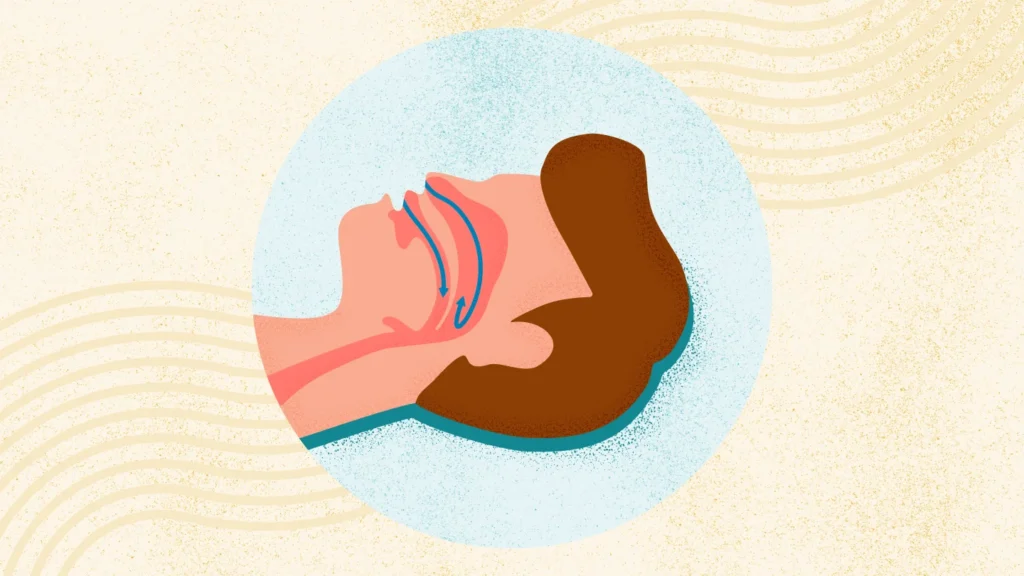
Reality: Snoring often tags along with fragmented sleep, irritated partners, and next-day brain fog. If you’re seeing more sleep gadgets, burnout talk, and “optimization” trends everywhere, you’re not imagining it. People are chasing better sleep because feeling tired is expensive.
Overview: where snoring steals sleep (and sanity)
Snoring can be a simple vibration problem, or it can be a sign that airflow is restricted. Either way, the outcome looks similar: lighter sleep, more awakenings, and a bedroom that turns into a comedy sketch at 2 a.m.
It’s also why you’ll see headlines about CPAP users still snoring, “quick fix” mouthpieces, and even basic nasal care getting attention. The theme is practical: reduce obstruction, reduce disruption.
Medical disclaimer: This article is for general education only and isn’t medical advice. Snoring can be linked to sleep apnea and other conditions. If you have loud nightly snoring, choking/gasping, high daytime sleepiness, or high blood pressure, seek evaluation from a qualified clinician.
Timing: when to try an anti snoring mouthpiece (and when not to)
Use a budget-first rule: try the lowest-friction steps before you buy your third “smart” sleep device. An anti snoring mouthpiece is often considered when snoring is frequent, bothersome, and seems tied to jaw position or mouth breathing.
Good times to test one
- You snore more on your back or after a long, stressful week.
- Your partner reports steady snoring (not just occasional).
- You want a travel-friendly option when hotel sleep is already shaky.
Pause and get checked first
- You suspect sleep apnea symptoms (gasping, witnessed pauses, severe daytime sleepiness).
- You have significant jaw pain, TMJ issues, loose teeth, or major dental work in progress.
- You’re using CPAP and still snore regularly. That can signal leaks or settings issues.
Supplies: what you need before night one
- One clear target: “Reduce snoring loudness” or “stop waking my partner,” not “perfect sleep forever.”
- A quick tracking method: notes app, sleep diary, or a simple snore recording.
- Nasal support basics: hydration, and if dryness/congestion is a pattern, consider discussing simple options with a clinician. Recent coverage has also pointed to saline spray being studied in children for sleep-related breathing symptoms, which keeps nasal comfort in the conversation.
- The device: a mouthpiece you can fit and tolerate, and optionally a chinstrap if mouth opening is part of your snoring pattern.
Step-by-step (ICI): Install → Check → Iterate
This is the no-wasted-cycle approach. You’re running a short experiment, not starting a new personality.
1) Install: set up for a fair test
- Follow the fitting instructions exactly. A poor fit ruins results and comfort.
- Start on a low-commitment night (not the night before a big presentation).
- Keep your routine steady: same bedtime window, similar caffeine/alcohol choices.
2) Check: measure what matters for sleep quality
- Partner feedback: “Better / same / worse” is enough.
- Wake-ups: fewer interruptions beats a fancy score.
- Morning feel: dry mouth, jaw soreness, headache, or improved alertness.
3) Iterate: adjust without overcorrecting
- Give it several nights before you judge. First-night weirdness is common.
- If you’re a mouth breather, consider a combo approach. A chinstrap can help keep the mouth closed, which may reduce vibration and dryness for some people.
- If nasal blockage is the main issue, a mouthpiece alone may not solve it. Address the nose and sleep position too.
Mistakes that waste money (and keep you snoring)
Buying a “miracle” and skipping fit
Fit is the whole game. If it pinches, slips, or forces your jaw into an awkward position, you’ll quit fast.
Ignoring CPAP snoring
Some people still snore on CPAP. That’s a real discussion in current sleep coverage. If it’s happening to you, don’t just stack gadgets. Ask your clinician about leaks, mask fit, nasal congestion, and settings.
Chasing trends instead of fixing basics
Sleep trackers, temperature pads, and “biohacking” routines can be fun. Yet the boring stuff often wins: consistent sleep window, less alcohol near bedtime, side-sleeping, and treating congestion.
Turning relationship humor into avoidance
Jokes about “sleep divorce” are everywhere because snoring is common. Still, chronic disruption is a health issue and a quality-of-life issue. Treat it like a shared problem, not a character flaw.
Quick context: what people are reading about right now
- CPAP users asking why snoring can persist, even with treatment.
- Renewed attention on nasal comfort and airflow, including general reporting on saline approaches studied in kids.
- Consumer-style reviews of mouthpieces, because people want a cheaper, simpler first step.
- Broader burnout and fatigue conversations pushing “sleep health” into everyday planning.
If you want a deeper explainer tied to current coverage, see Still Snoring With a CPAP Machine?.
CTA: a practical option to try (without overthinking it)
If you want a simple, travel-friendly setup that targets mouth opening and jaw position, consider this anti snoring mouthpiece. Treat it like a 10–14 night test with basic tracking.
How do anti-snoring mouthpieces work?
FAQ: fast answers
Can an anti snoring mouthpiece improve sleep quality?
It can, especially if it reduces snoring-related awakenings. Comfort and correct fit matter as much as the device type.
Why would someone still snore while using CPAP?
Leaks, mouth breathing, congestion, or settings can contribute. Persistent snoring on CPAP should be reviewed with a sleep professional.
Is snoring always a sign of sleep apnea?
No. But if you have loud frequent snoring plus gasping, witnessed pauses, or heavy daytime sleepiness, get evaluated.
How long does it take to get used to a mouthpiece?
Often several nights to a couple of weeks. Stop and seek dental or medical guidance if you develop significant jaw pain or tooth issues.
What if my snoring spikes during travel or stressful weeks?
Travel fatigue, back-sleeping, alcohol, and dry hotel air can all worsen snoring. Keep your sleep window consistent and support nasal comfort when needed.