
Before you try an anti snoring mouthpiece, run this quick checklist.
- Do you wake up tired even after “enough” hours?
- Has travel fatigue or a stressful work stretch made your snoring louder?
- Is your partner joking about the “chainsaw,” but you’re not laughing anymore?
- Have you been tempted by the latest sleep gadgets, pillows, and wearables?
- Do you want a practical plan that doesn’t burn a whole week of trial-and-error?
This post is a no-drama way to test what might help your sleep quality. We’ll keep it general, stay budget-minded, and focus on what you can verify at home.
Overview: why snoring feels like a bigger deal lately
Snoring isn’t just a “funny” relationship storyline anymore. People are talking about it alongside burnout, recovery, and performance. That makes sense. Poor sleep can turn a normal day into a grind.
Recent roundups of anti-snore devices have also pushed the conversation into mainstream “shopping mode.” The tricky part is that shopping lists don’t always tell you when a device fits your situation. That’s where a simple plan helps.
Snoring can be influenced by sleep position, nasal airflow, alcohol, congestion, and jaw/tongue placement. Oral health also gets mentioned more in longevity conversations, which is a good reminder: your mouth is not separate from the rest of you.
If you want a broad look at what people are comparing right now, see this related coverage on Top 9 Best Anti-Snoring Devices – What Actually Works?.
Timing: when it’s worth testing a mouthpiece (and when it’s not)
Good time to test: your snoring is regular, you notice it’s worse on your back, or you wake with a dry mouth. These patterns often point to airflow and jaw/tongue position being part of the issue.
Also a good time: you’ve already tried low-cost basics like side-sleeping and a consistent bedtime, but the noise still breaks sleep for you or your partner.
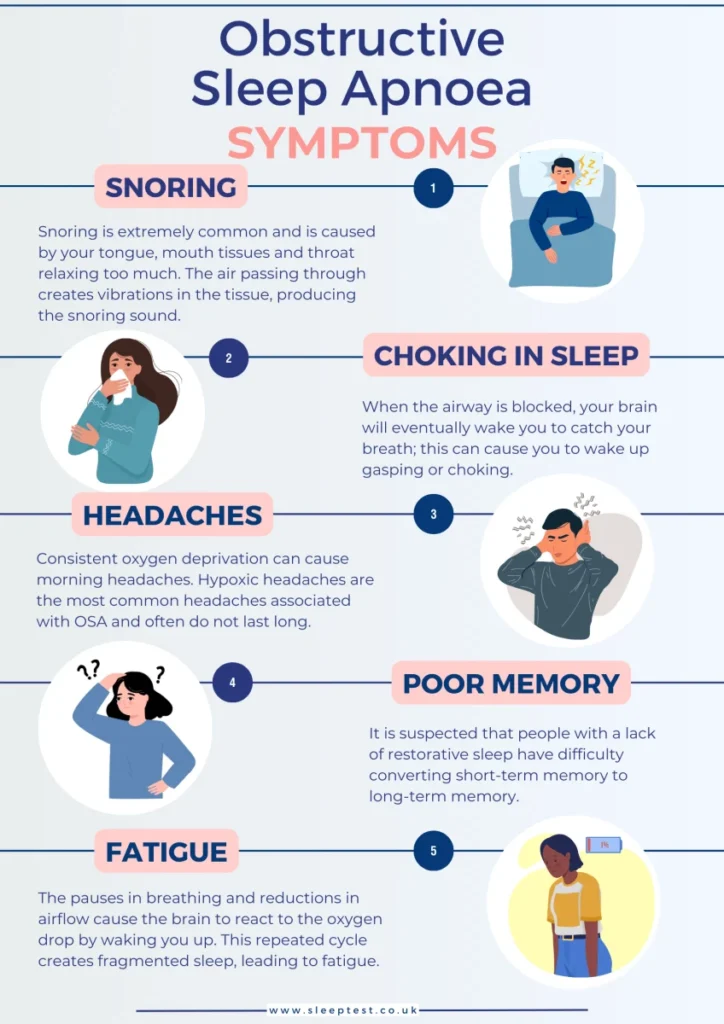
Pause and get medical advice if you have choking/gasping, witnessed breathing pauses, severe daytime sleepiness, morning headaches, or high blood pressure concerns. Loud snoring can overlap with sleep apnea, and that deserves a clinician-led evaluation.
Supplies: a low-waste setup for a 10-night test
- Phone notes (or a simple sleep log): bedtime, wake time, and how you feel.
- A partner rating (0–3): 0 = quiet, 3 = “had to leave the room.”
- Basic nasal support: saline rinse or strips if you’re congested.
- One change at a time: don’t swap pillow, mouthpiece, and supplements all in the same week.
- Your device: choose one mouthpiece option and commit to the test window.
If you’re comparing options, start here: anti snoring mouthpiece. Keep your goal simple: less noise, fewer wake-ups, better mornings.
Step-by-step (ICI): a practical way to test what helps
This is the ICI method: Identify your pattern, Change one variable, Inspect results.
1) Identify your likely snoring pattern
Use two questions. First: “Is it worse on my back?” Second: “Do I wake with dry mouth or sore throat?” If the answer is yes to either, jaw position and mouth breathing may be in play.
Also note any triggers. Late alcohol, heavy meals, and congestion often show up in the timeline.
2) Change one variable for nights 1–3 (baseline)
Don’t start the mouthpiece yet. Keep everything normal and collect baseline data: partner rating, your morning energy, and any wake-ups.
This step prevents the classic mistake of thinking a new device “failed” when the real issue was a bad travel week or a temporary cold.
3) Change one variable for nights 4–10 (add the mouthpiece)
Introduce the anti snoring mouthpiece and keep the rest of your routine steady. Aim for the same bedtime and the same pillow.
Expect an adjustment phase. Some people feel extra saliva at first. Others notice jaw awareness in the morning. Mild discomfort should improve as you adapt, but sharp pain is a stop sign.
4) Inspect results with three simple signals
- Noise: did the partner rating drop by at least 1 point most nights?
- Continuity: are you waking less, or falling back asleep faster?
- Morning feel: do you feel more restored, even if life is still busy?
If two out of three improve, you’ve got a practical win. If nothing changes, that’s useful too. It means you should pivot instead of buying your way through every trending sleep gadget.
Mistakes that waste money (and how to avoid them)
Stacking too many fixes at once
New pillow, new mouthpiece, new tracker, new bedtime routine. It sounds productive, but it hides what worked. Pick one lever per week.
Ignoring mouth comfort and oral health basics
A mouthpiece shouldn’t feel like a punishment. If you have gum irritation, loose dental work, or jaw pain, get dental guidance. The mouth-body connection is real, and comfort matters for consistency.
Chasing “perfect” sleep data instead of better sleep
Wearables and apps can help, but they can also add stress. Your best metric is still: fewer wake-ups and better mornings.
Missing red flags
Snoring plus gasping, choking, or extreme daytime sleepiness deserves medical attention. Don’t treat a serious problem like a shopping project.
FAQ
Do anti-snoring mouthpieces work for everyone?
No. They tend to help when snoring is linked to jaw position or mouth breathing, but they may not help if another issue is driving the noise.
How fast should I notice a difference?
Many people can tell within a few nights if volume and frequency improve, but comfort and fit can take a week or two to dial in.
Can a mouthpiece help if I drool at night?
Sometimes. Drooling can happen with mouth breathing or sleep position. A mouthpiece may change airflow, but persistent drooling should be discussed with a clinician.
Is a snoring mouthpiece the same as a sleep apnea device?
Not necessarily. Some mouthpieces are designed to reduce snoring, while diagnosed sleep apnea often needs clinician-guided evaluation and treatment.
What if my partner says I still snore with a mouthpiece?
Re-check fit, sleep position, and nasal congestion. If loud snoring continues or you have red-flag symptoms, seek medical advice.
CTA: stop guessing and run a clean 10-night test
If you’re tired of half-solutions and late-night scrolling through “best of” lists, keep it simple. Choose one approach, track it for 10 nights, and decide based on results.
How do anti-snoring mouthpieces work?
Medical disclaimer: This article is for general education and is not medical advice. Snoring can be a symptom of a medical condition, including sleep apnea. If you have breathing pauses, gasping, chest pain, severe daytime sleepiness, or persistent symptoms, talk with a qualified clinician.