
Before you try another “sleep hack,” run this quick checklist:
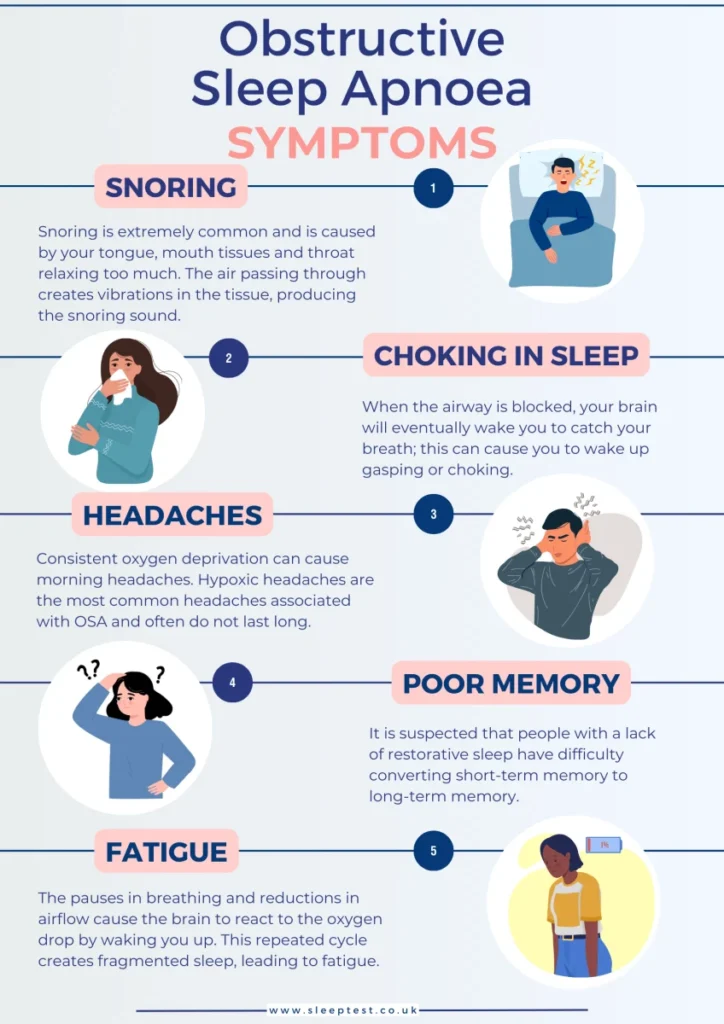
- Safety first: Do you ever wake up gasping, choking, or with a racing heart?
- Daytime impact: Are you foggy, irritable, or relying on extra caffeine to function?
- Partner reality check: Is your snoring a nightly relationship punchline (or a nightly argument)?
- Budget check: Are you about to buy your third gadget without a plan?
If any of this sounds familiar, you’re not alone. Snoring is having a cultural moment. Sleep trackers, “biohacking” routines, and travel fatigue are everywhere. So is workplace burnout, which makes people desperate for quick fixes. The goal is simple: better sleep quality without wasting a cycle on trends that don’t fit your situation.
Is snoring just annoying, or could it be a health signal?
Snoring can be harmless. It can also be a clue that airflow is getting cramped during sleep. That matters because fragmented sleep can leave you feeling drained even after a full night in bed.
Some health organizations have also highlighted a broader connection between poor sleep quality and heart health. You don’t need to panic. You do need to pay attention if snoring comes with red flags like breathing pauses, gasping, or heavy daytime sleepiness.
If you want context on why experts take certain sleep trends seriously, see this related coverage: Scientists warn against viral nighttime mouth-taping trend.
Why are people talking about mouth-taping and other viral sleep tricks?
Because they look easy. A strip of tape feels cheaper than a clinic visit. It also plays well on social media: quick demo, bold claims, instant “before/after.”
But sleep isn’t a one-size-fits-all problem. If your nose is congested, if you have allergies, or if you might have sleep apnea, forcing your mouth closed can be a bad idea. Experts have cautioned against the trend for exactly that reason.
Instead of copying a viral routine, focus on what’s actually happening: snoring is usually about airflow and tissue vibration. That’s why practical tools that address airway mechanics tend to get more attention than “one weird trick” content.
What actually ruins sleep quality when you snore?
Snoring can be loud, but the bigger issue is what it can do to sleep continuity. Micro-arousals (tiny wake-ups you may not remember) can keep you from getting restorative sleep stages.
That shows up the next day as low patience, poor focus, and the feeling that your brain never fully booted up. Add travel fatigue or a stressful work week, and snoring becomes the spark that lights the whole “why am I exhausted?” conversation.
Where does an anti snoring mouthpiece fit in a no-drama plan?
An anti snoring mouthpiece is a practical middle ground for many people: more structured than DIY hacks, less involved than some medical pathways. Many mouthpieces work by gently positioning the lower jaw forward or stabilizing the tongue. That can help keep the airway more open and reduce vibration.
It’s not magic. Fit and comfort matter. So does choosing the right style for your mouth and your snoring pattern.
If you’re comparing options, start here: anti snoring mouthpiece.
What a mouthpiece can be good for
- Budget-friendly experimentation: A clearer plan than buying random sleep gadgets.
- Relationship relief: Less noise can mean fewer midnight wake-ups for both people.
- Travel nights: Helpful when hotel beds, dry air, and jet lag make snoring worse.
When a mouthpiece is not the right “DIY” move
- Possible sleep apnea signs: choking/gasping, witnessed pauses, severe sleepiness.
- Jaw issues: significant TMJ pain, locking, or dental instability.
- Severe nasal blockage: you can’t comfortably breathe through your nose.
How do you try a mouthpiece without wasting money?
Think like a practical shopper, not a desperate insomniac. Your goal is to test one variable at a time and keep the process simple.
- Pick a realistic target: “Reduce snoring volume and wake-ups,” not “perfect sleep forever.”
- Give it a fair trial: Comfort often improves over several nights.
- Track the basics: morning energy, dry mouth, jaw soreness, partner feedback.
- Stop if it hurts: soreness is one thing; sharp pain or jaw problems are another.
If you’re also dealing with burnout, keep the rest of your routine boring. Consistent bedtime and less late-night alcohol can make any snoring strategy work better.
What should you do if you suspect sleep apnea?
Snoring can overlap with sleep apnea, and sleep apnea is a medical condition. If you have classic warning signs—breathing pauses, gasping, high blood pressure, or significant daytime sleepiness—talk to a clinician or a sleep specialist. You may need a sleep study to get clear answers.
Connected sleep tech and newer oral appliance pathways are getting attention in the broader sleep space. That’s useful progress, but the key point is still the same: match the tool to the problem.
FAQ: quick answers people want right now
Is it normal to snore more when traveling?
Yes. Dry air, alcohol, unusual sleep positions, and exhaustion can all make snoring more likely.
Can a mouthpiece improve sleep quality?
It can for some people, especially if it reduces awakenings from snoring. Results vary by fit and by the cause of snoring.
Will a mouthpiece cure sleep apnea?
Don’t assume that. Some oral appliances are used under clinical guidance for certain cases, but you should be evaluated if you suspect apnea.
Next step: get a simple answer before you buy another gadget
If you’re done chasing trends and want a practical path, start with a mouthpiece approach that matches your needs and comfort.
How do anti-snoring mouthpieces work?
Medical disclaimer: This article is for general education only and is not medical advice. Snoring can have many causes, including sleep apnea. If you have breathing pauses, gasping, chest pain, severe daytime sleepiness, or other concerning symptoms, seek evaluation from a qualified healthcare professional.