
Before you try anything new tonight, run this quick checklist:
- Is the snoring new or suddenly worse? Think colds, allergies, weight changes, alcohol, or a new medication.
- Any red flags? Choking/gasping, witnessed breathing pauses, morning headaches, or heavy daytime sleepiness.
- Who’s suffering most? You, your partner, or both. That changes what “success” looks like.
- What’s your goal for this week? Fewer wake-ups, less noise, or more energy at work.
Snoring isn’t just a punchline. It’s also a sleep-quality problem that shows up in real life: travel fatigue after late flights, wearable “sleep scores” that never improve, and relationship humor that stops being funny by Thursday.
What people are buzzing about right now (and why)
Snoring solutions are having a moment. You’ll see more coverage about sleep gadgets, curated “best device” lists, and market reports tracking new product launches and competition. That’s not surprising. Burnout culture has made sleep feel like a productivity tool, and people want quick fixes that don’t require a lab test first.
Some trends are helpful. More awareness means more people realize snoring can be a health signal, not just a noise problem. Other trends add confusion. A viral clip can make one device look universal when it isn’t.
If you like to follow the business side of the space, here’s a general reference to what’s being discussed in the news: Anti-snoring Devices Market Competitive Landscape Report 2025: Top Players Analysis, Profiles, Strategic Developments, Mergers, Product Innovations and Launches, Sustainability Goals, Revenue Insights.
What matters medically (the part most lists skip)
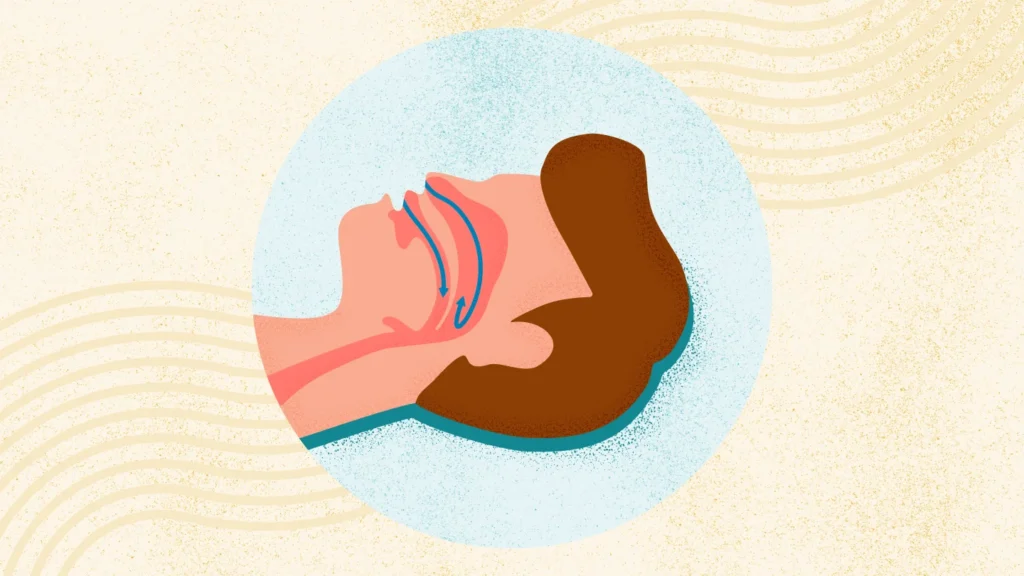
Snoring happens when airflow vibrates soft tissues in the upper airway. That can be influenced by sleep position, nasal congestion, alcohol, and the way your jaw and tongue sit when muscles relax.
Important: Snoring is not the same as sleep apnea. But they can overlap. If you suspect sleep apnea, don’t self-manage it with gadgets alone.
Clues it might be more than “just snoring”
- Someone notices breathing pauses, choking, or gasping during sleep
- You wake up unrefreshed even after enough hours
- High blood pressure, morning headaches, or strong daytime sleepiness
- Snoring that stays loud in every position
Those signs don’t confirm a diagnosis, but they are a strong reason to get evaluated.
How to test solutions at home (without turning bedtime into a science fair)
Keep this simple for 7–10 nights. You’re looking for a pattern, not perfection.
Step 1: Pick one change at a time
Stacking five “sleep hacks” at once makes it impossible to know what helped. Start with the highest-impact, lowest-effort moves:
- Side sleeping: Many people snore more on their back.
- Nasal support: If you’re congested, address that first (saline rinse, allergy plan discussed with a clinician, or simple humidity changes).
- Alcohol timing: If you drink, avoid it close to bedtime for a week and compare.
Step 2: Consider an anti snoring mouthpiece if jaw/tongue position seems involved
An anti snoring mouthpiece typically aims to keep the airway more open by gently positioning the lower jaw forward or stabilizing the tongue. People often try one when snoring is worse on the back, worse after deep sleep, or when nasal fixes don’t move the needle.
If you want a starting point for shopping and comparisons, see anti snoring mouthpiece.
Step 3: Use a “two-metric” scorecard
- Noise impact: Did your partner wake up less? Did you move to the couch less?
- Next-day function: Energy, focus, mood, and afternoon crashes.
Wearables can help, but don’t let a single number override how you feel. A better night is the one you can repeat.
Step 4: Watch for fit and comfort issues
Mouthpieces can cause temporary drooling, mild gum irritation, or jaw stiffness early on. That should trend better, not worse. If pain ramps up, your bite feels “off” during the day, or you have dental issues, pause and get professional input.
When to stop experimenting and get help
Get medical guidance sooner rather than later if you have symptoms that suggest sleep apnea, or if snoring is paired with significant daytime sleepiness. Also consider help if your partner reports frequent breathing pauses, even if you feel “fine.”
A dentist can help if jaw pain, tooth movement concerns, or TMJ symptoms show up. A sleep clinician can help sort snoring from sleep-disordered breathing and discuss testing options.
FAQ: Quick answers people ask at 2 a.m.
Is a mouthpiece better than other anti-snore devices?
It depends on the cause. Mouthpieces can be a good match when jaw/tongue position contributes. Nasal-focused tools may help more when congestion is the main driver.
Can travel fatigue make snoring worse?
Yes. Poor sleep, alcohol on trips, sleeping on your back, and dry hotel air can all nudge snoring upward.
What if my partner says I snore even with a mouthpiece?
Re-check basics first: side sleep, nasal airflow, and alcohol timing. If snoring stays loud or you have red flags, get evaluated for sleep apnea.
Next step: get a clear answer, not another gadget drawer
If you want a straightforward explanation before you buy or adjust anything, start here:
How do anti-snoring mouthpieces work?
Medical disclaimer: This article is for general education and does not provide medical advice, diagnosis, or treatment. If you suspect sleep apnea, have significant daytime sleepiness, or develop jaw/tooth pain with any device, talk with a qualified clinician or dentist.