
Five quick takeaways before you buy anything:
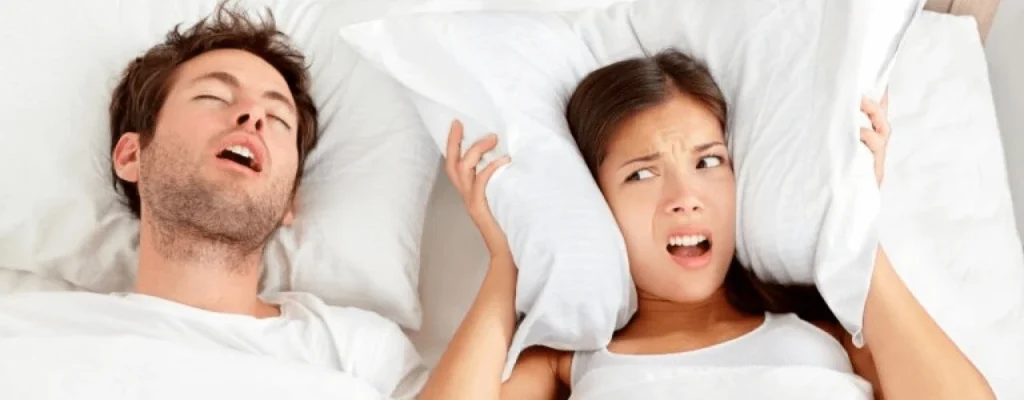
- Eight hours isn’t a guarantee if snoring keeps jolting your sleep cycles.
- Fit beats features; the “best” gadget is the one you can actually wear all night.
- Try timing changes first (alcohol, late meals, side-sleeping) so you don’t waste a week.
- Mouthpieces can help with certain snoring patterns, but they’re not a cure-all.
- Red flags matter; loud snoring plus choking/gasping can signal sleep apnea.
Overview: why snoring is in the spotlight again
Sleep is having a moment. People are buying trackers, testing new “sleep stacks,” and swapping travel recovery tips like it’s a sport. At the same time, workplace burnout and doomscrolling have turned “I’m exhausted” into a daily refrain.
One topic keeps resurfacing in health coverage: feeling tired even after a full night in bed. If your partner jokes that your snoring could power a leaf blower, that may be more than relationship humor. It can also be a clue that sleep quality is taking hits you don’t remember.
For a general read on the “still tired after 8 hours” conversation, see this related coverage: We Asked a Doctor What to Do If You’re Still Tired After 8 Hours of Sleep.
Timing: the fastest “tonight” adjustments that protect sleep quality
Before you add a device, tighten the basics for three nights. This keeps you from blaming a mouthpiece for a problem caused by schedule or habits.
Do a simple 3-night reset
Night 1–3: keep bedtime and wake time consistent. Aim for the same 30-minute window. Your body likes predictable signals.
Cut the late-night triggers: alcohol close to bedtime and heavy late meals can make snoring worse for some people. If you’re testing a mouthpiece soon, you want a clean baseline.
Plan around travel fatigue and burnout
After a flight, a long drive, or a high-stress work sprint, sleep can feel “light” even if you log hours. That’s when snoring complaints often get louder. Don’t interpret one rough night as a final verdict on any product.
Supplies: what you actually need (and what you can skip)
Keep this practical. You’re building a low-drama setup that’s easy to repeat.
- A way to track outcomes: notes app, sleep diary, or a basic snore recording app.
- Water + toothbrush: mouthpieces need routine cleaning and a clean mouth.
- A backup plan: saline rinse or humidifier can help if dryness is part of your snoring pattern.
- An anti snoring mouthpiece if your goal is to reduce vibration by improving airway positioning.
If you want a single bundle approach, consider a anti snoring mouthpiece. It’s a practical option for people who suspect mouth breathing is part of the noise.
Step-by-step (ICI): a budget-minded way to test a mouthpiece
This is an ICI plan: Identify the pattern, Choose the simplest intervention, then Iterate based on results. You’re not chasing perfection. You’re trying to stop wasting cycles.
I — Identify your snoring pattern in 10 minutes
Answer these quickly:
- Position: Is it worse on your back?
- Timing: Does it spike after alcohol, late meals, or congested nights?
- Symptoms: Dry mouth, morning headaches, or waking up unrefreshed?
- Partner report: Any choking/gasping or long quiet pauses?
If there are breathing pauses or gasping, skip the self-experiment and get evaluated for sleep apnea. Snoring can be harmless, but apnea is a health issue that deserves medical attention.
C — Choose the lowest-effort, highest-signal setup
Don’t change five variables at once. For the first week with a mouthpiece:
- Keep caffeine and alcohol consistent.
- Try to sleep on your side when possible.
- Use the mouthpiece the same way each night so the test is fair.
I — Iterate with a 7-night scorecard
Each morning, score these from 1–5:
- Noise: Did snoring decrease (per your partner or app)?
- Comfort: Jaw comfort, gum irritation, drooling, or dryness.
- Energy: How alert do you feel before noon?
If noise improves but comfort is poor, adjust your approach. If comfort is fine but energy doesn’t improve, snoring might not be the main driver of fatigue. That’s useful information, not failure.
Mistakes that waste time (and how to avoid them)
Buying based on hype instead of fit
Sleep gadgets trend fast. A mouthpiece isn’t a smartwatch. If it doesn’t fit your mouth comfortably, you won’t wear it, and it won’t help.
Expecting a mouthpiece to outwork your schedule
If you’re sleeping five hours due to deadlines, no device can create deep sleep out of thin air. Fix the time-in-bed problem first when you can.
Ignoring nasal congestion and mouth breathing
Nasal airflow matters for some people, especially those who wake with a dry mouth. If you’re constantly stuffed up, address that pattern too. The goal is smoother breathing, not just quieter nights.
Missing the red flags for sleep apnea
Loud snoring plus choking/gasping, witnessed breathing pauses, or severe daytime sleepiness can point to sleep apnea. That requires medical evaluation and a different treatment path than a simple mouthpiece.
FAQ
Is snoring always a health problem?
No. Some snoring is situational (sleep position, alcohol, congestion). Still, persistent loud snoring can signal airway issues worth checking.
Will an anti snoring mouthpiece help with daytime focus?
It can if snoring is fragmenting your sleep and the mouthpiece reduces that disruption. If fatigue persists, consider other causes like stress, schedule, medications, or a sleep disorder.
What if my partner says I’m quieter but I’m still tired?
That’s a sign to broaden the plan. You may have improved noise without fully improving sleep quality, or fatigue may be coming from another source.
CTA: make your next 7 nights count
If you’re ready to test a practical option without overthinking it, start with one change, track it for a week, and judge results by comfort and morning energy—not marketing.
How do anti-snoring mouthpieces work?
Medical disclaimer: This article is for general education and does not provide medical advice or a diagnosis. If you have symptoms of sleep apnea (gasping, witnessed breathing pauses, severe daytime sleepiness) or concerns about heart health, seek evaluation from a qualified clinician.