
Before you try another sleep hack, run this quick checklist:
- Confirm the problem: Is it occasional snoring, nightly snoring, or possible sleep apnea signs?
- Skip the risky shortcuts: Don’t assume viral “sleep tape” tips are harmless for everyone.
- Pick one change at a time: Otherwise you’ll never know what worked.
- Track results for a week: Use a simple notes app, not a $300 gadget.
- Choose a tool that matches your snoring pattern: Mouthpiece, nasal support, or medical evaluation.
Big picture: why snoring is trending again
Snoring isn’t just a “dad joke” anymore. It’s showing up in conversations about burnout, wearable sleep scores, and travel fatigue. People are chasing better sleep because work feels louder, commutes are back, and everyone wants a quick fix that doesn’t derail the next day.
That urgency fuels a market of gadgets and hacks. Some are fine. Others are easy to misuse. The goal is simple: protect sleep quality without wasting money or taking unnecessary risks.
The emotional cost: partners, planes, and the 2 a.m. argument
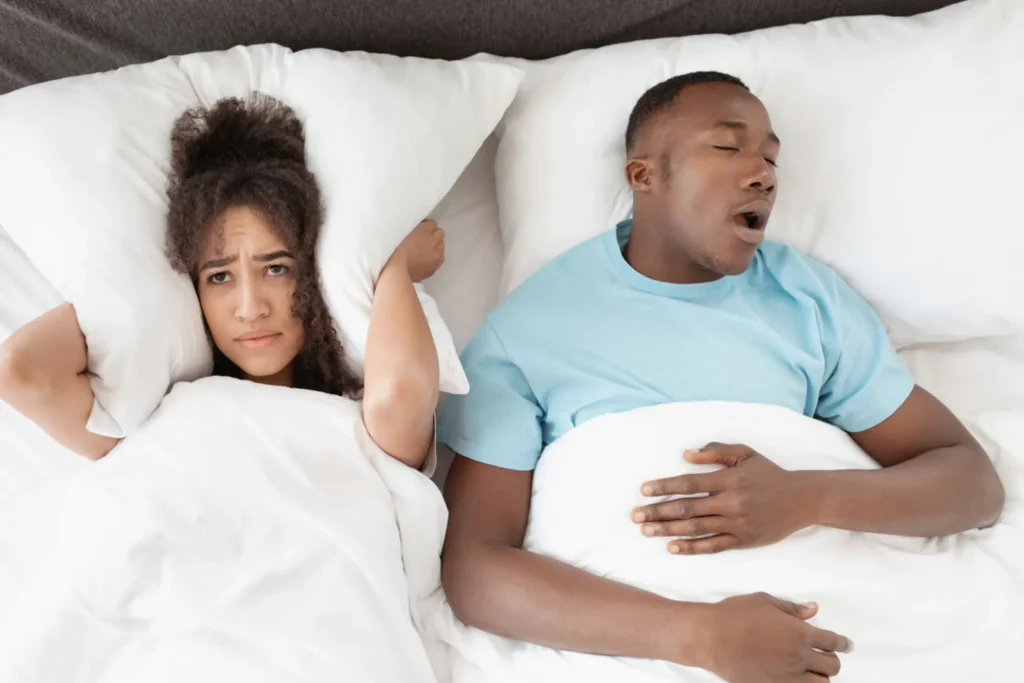
Snoring has a social price tag. It can turn bedtime into negotiation, especially when one person is “fine” and the other is counting ceiling tiles. Add a red-eye flight or a hotel room with thin walls and the problem gets louder fast.
If you share a bed, treat snoring like a household issue, not a personal flaw. That mindset keeps you focused on solutions instead of blame. It also makes it easier to test changes consistently.
Practical steps: the budget-friendly order of operations
Here’s the no-fluff sequence that saves time and money. Start at the top and move down until you see real improvement.
1) Get clear on your “snoring profile”
For 3–5 nights, write down:
- How often you wake up (and why, if you know)
- Dry mouth or sore throat in the morning
- Daytime sleepiness or headaches
- Partner feedback (volume, position, frequency)
This baseline is more useful than a single sleep score. It also helps you spot patterns like “only after alcohol” or “only on my back.”
2) Fix the easy stuff that amplifies snoring
These changes are boring. That’s why they work.
- Side-sleep support: If snoring spikes on your back, positional changes can matter.
- Bedroom air: Dry air can irritate your throat. A humidifier may help comfort.
- Alcohol timing: Many people snore more after drinking, especially close to bedtime.
- Nasal congestion plan: If your nose is blocked, “just breathe through your nose” isn’t a strategy.
Keep it simple: choose one lever, test it for a week, then decide.
3) Consider an anti snoring mouthpiece when jaw position seems involved
An anti snoring mouthpiece is often discussed because it’s a practical middle ground. It’s less complicated than many devices, and it doesn’t require a full bedroom tech setup. Many mouthpieces aim to support the jaw and help keep the airway more open during sleep.
Think of it like aligning a kinked garden hose. If the “bend” is part of your snoring pattern, a mouthpiece can be a logical next test.
If you want to compare choices quickly, start with these anti snoring mouthpiece and focus on comfort, adjustability, and return policies. Those factors decide whether you’ll actually use it.
Safety and testing: what to skip, what to monitor
Sleep trends move fast, and the latest “biohack” can sound smarter than it is. One example getting attention is mouth taping. Some articles have raised concerns that it can be unsafe for certain people, especially if nasal breathing isn’t reliable or if sleep-disordered breathing is possible.
If you’re seeing that trend everywhere, read the cautions first: Why Doctors Say You Shouldn’t Tape Your Mouth Shut at Night.
Red flags: don’t “DIY” your way past these
- Choking, gasping, or witnessed pauses in breathing
- Severe daytime sleepiness or dozing off unintentionally
- High blood pressure concerns, or morning headaches that persist
- Snoring that is loud, nightly, and getting worse
Those can be signs of obstructive sleep apnea or another sleep issue. A clinician can guide testing and treatment options. A mouthpiece may still have a role, but you’ll want the right diagnosis first.
How to run a 7-night “no-waste” trial
Don’t change five things at once. Do this instead:
- Nights 1–3: Baseline notes (snoring reports, wake-ups, morning symptoms).
- Nights 4–7: Add one intervention (for example, a mouthpiece) and keep everything else steady.
Success isn’t just “less noise.” Look for fewer wake-ups, better morning energy, and fewer complaints from the other side of the bed.
FAQ
Do anti-snoring mouthpieces help with snoring?
They can help some people, especially when snoring is linked to jaw position and airway space. Results vary by fit, comfort, and the cause of snoring.
Is mouth taping a safe alternative to a mouthpiece?
It may be risky for some people, especially if nasal breathing is limited or if sleep-disordered breathing is possible. It’s better to talk with a clinician before trying it.
How do I know if it’s snoring or sleep apnea?
Loud, frequent snoring plus choking/gasping, pauses in breathing, or significant daytime sleepiness can be warning signs. A clinician can assess symptoms and recommend testing.
What’s the fastest way to tell if a mouthpiece is worth it?
Track a simple baseline for 3–5 nights (snoring reports, wake-ups, morning dryness), then compare after consistent use. Comfort and adherence matter as much as noise reduction.
Can vitamin D or supplements stop snoring?
Some headlines discuss possible links between vitamin levels and snoring, but supplements aren’t a reliable stand-alone fix. If you suspect a deficiency, ask your clinician about testing.
What are common side effects of anti-snoring mouthpieces?
Jaw soreness, tooth discomfort, excess saliva, or temporary bite changes can happen. Stop use and seek dental/medical advice if pain persists or your bite feels altered.
Next step: pick one tool and test it properly
If you’re stuck in the loop of buying sleep gadgets and returning them, simplify. Start with a short baseline. Then test one intervention for a week. If a mouthpiece fits your pattern and budget, it’s a reasonable next move.
How do anti-snoring mouthpieces work?
Medical disclaimer: This article is for general information only and isn’t medical advice. Snoring can have many causes, including conditions that need professional evaluation. If you have symptoms of sleep apnea, breathing pauses, chest pain, severe daytime sleepiness, or persistent concerns, seek care from a qualified clinician.