
On a red-eye flight home, someone in 14B started snoring like a leaf blower. By the time the cabin lights came up, half the row was awake, one person was doom-scrolling sleep gadgets, and a couple whispered the kind of relationship jokes that only happen at 3 a.m.
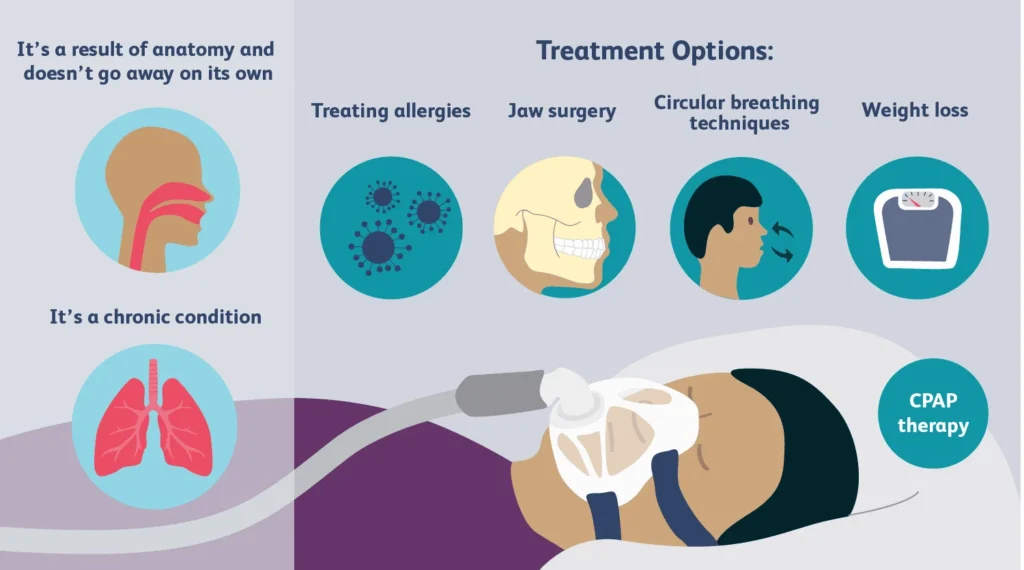
The next morning, the real problem wasn’t the noise. It was the wrecked sleep quality: foggy focus, short temper, and that “burnout but make it productive” vibe at work. If this sounds familiar, you don’t need a drawer full of devices. You need a simple decision path that helps you pick what to try first.
Your no-waste decision guide (If…then…)
Use the branches below like a checklist. Each one points to a practical next step you can test at home without turning sleep into a second job.
If your snoring is louder on your back, then start with positioning
Back-sleeping can make it easier for tissues to relax and narrow the airway. Try side-sleeping supports, a body pillow, or small bedroom tweaks that keep you from rolling flat.
For a general overview of sleep position considerations, see guidance like Johns Hopkins Medicine’s discussion on choosing sleep positions (linked in many recent roundups). Keep expectations realistic: position changes help some people a lot and others only a little.
If your nose feels blocked at night, then consider nasal support first
Congestion, allergies, and dry air can push you into mouth-breathing, which can worsen snoring for some sleepers. Before buying a big-ticket gadget, try simple nasal support options.
Recent “best of” lists often mention nasal strips as a low-cost, low-commitment test. If they help, that’s a clue your snoring may have a nasal component.
If your partner says the sound is coming from your mouth, then an anti snoring mouthpiece may be the best next test
An anti snoring mouthpiece is popular right now because it’s a straightforward, at-home approach. People are talking about mouthpieces in reviews and gadget columns for a reason: they’re less complicated than many techy sleep trackers, and they target a common mechanical issue—airway narrowing during sleep.
In general terms, these devices aim to keep the airway more open by supporting jaw or tongue position. Fit and comfort matter. So does consistency. If you wake up and toss it on the nightstand, it can’t help.
If you want a single purchase that bundles two common approaches, consider an anti snoring mouthpiece. This can be a practical choice for people who suspect mouth-breathing or jaw drop plays a role.
If the “snoring story” includes choking, gasping, or heavy daytime sleepiness, then don’t treat it like a gadget problem
Some headlines keep circling back to sleep apnea awareness, and that’s worth taking seriously. Snoring alone isn’t a diagnosis. Still, certain patterns can be a red flag.
For a credible starting point, review Sleep apnea – Symptoms and causes. If those symptoms match your nights, book an evaluation. A mouthpiece may still have a role, but you’ll want the right plan.
If you’re buying out of desperation (travel fatigue + burnout), then run a 7-night “cheap test” before upgrading
When you’re exhausted, every ad sounds like the answer. That’s how people end up with three apps, two wearables, and zero improvement.
Try one change at a time for a week: position support, nasal support, or a mouthpiece. Track two things only: (1) how many times you wake up, and (2) how you feel at 2 p.m. If nothing changes, switch the variable. This keeps you from wasting a cycle.
What people are talking about right now (and what to do with it)
Sleep gadgets are everywhere. The trend is to measure everything. Data can help, but it can also make you anxious. If tracking keeps you up, it’s not helping sleep quality.
Relationship humor is real. “Your snoring is a third person in our bed” jokes land because the impact is shared. A plan that reduces friction matters as much as the decibel level.
Device roundups can be useful. Lists comparing strips, mouthpieces, and other tools are good for options. Use them to choose a first test, not to collect fixes.
Quick-fit checklist before you try a mouthpiece
- Goal: Fewer wake-ups and less morning dryness, not perfection on night one.
- Comfort: A device you can tolerate beats a “best-rated” one you abandon.
- Consistency: Use it nightly during your test week for a fair read.
- Safety: If you suspect sleep apnea symptoms, prioritize medical evaluation.
FAQs
Can an anti snoring mouthpiece help if I only snore sometimes?
It can, especially if your snoring shows up with certain positions, alcohol, congestion, or travel fatigue. Start by tracking patterns for a week so you’re not guessing.
What’s the difference between a mouthpiece and nasal strips?
Mouthpieces aim to keep the airway more open by adjusting jaw/tongue position, while nasal strips mainly support nasal airflow. Some people use both, depending on what’s driving the noise.
Is snoring always a sign of sleep apnea?
No. Snoring is common and can be harmless, but loud frequent snoring plus choking/gasping, daytime sleepiness, or high blood pressure can be warning signs that deserve medical attention.
How long does it take to get used to a snoring mouthpiece?
Many people need a short adjustment period. Comfort, fit, and consistent use matter more than chasing a “perfect” first night.
When should I stop DIY and talk to a clinician?
If you have pauses in breathing, wake up gasping, feel unusually sleepy during the day, or your partner notices worsening symptoms, get evaluated. Those can be signs of a bigger sleep-breathing issue.
CTA: Pick one step for tonight
If your snoring seems mouth-related and you want a practical, at-home option, start with a mouthpiece-based approach and test it consistently for a week. Keep it simple, then adjust based on results.
How do anti-snoring mouthpieces work?
Medical disclaimer: This article is for general information only and is not medical advice. Snoring can have many causes. If you have symptoms that suggest sleep apnea or another health condition, seek evaluation from a qualified clinician.