
Before you try another snoring “hack,” run this quick checklist:
- Safety first: Any choking/gasping, witnessed pauses in breathing, or heavy daytime sleepiness?
- Budget: Are you trying to avoid buying three gadgets that end up in a drawer?
- Comfort: Can you tolerate something worn in the mouth overnight?
- Timing: Are you doom-scrolling or working right up to bedtime?
- Relationship factor: Is your partner’s “gentle nudge” turning into nightly negotiations?
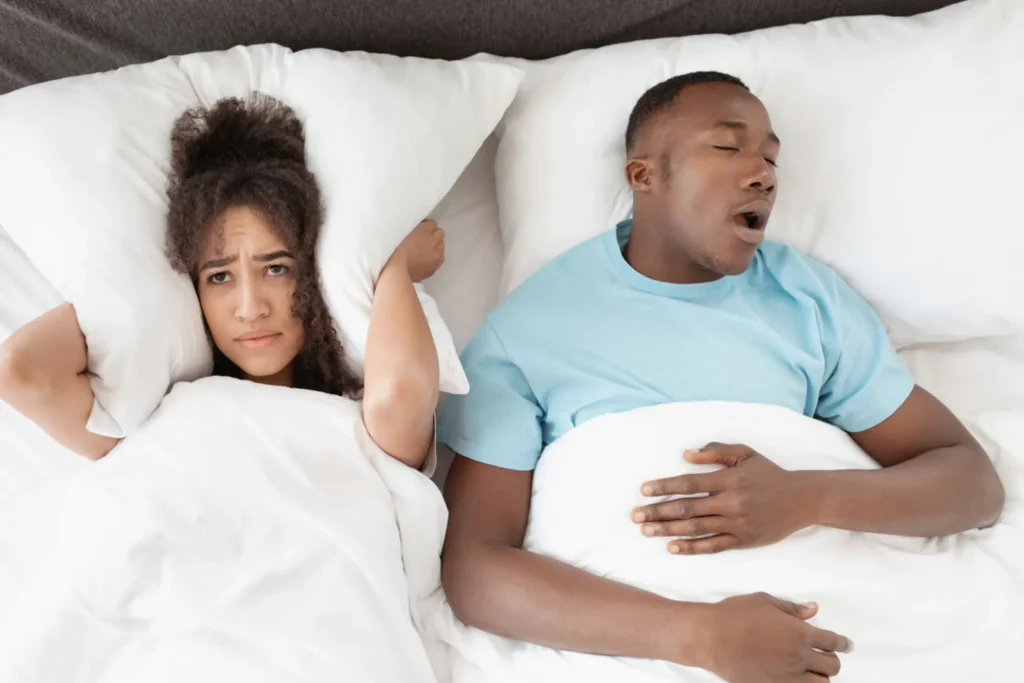
Snoring is having a moment again—sleep trackers, travel fatigue, burnout conversations, and viral fixes all collide. The problem is simple: noisy nights can wreck sleep quality for two people. The solution is not always simple, but it can be practical.
Snoring and sleep quality: why the conversation feels louder lately
People are talking about sleep like it’s a performance metric. Wearables score your night. Work chats run late. Red-eye flights and hotel pillows add a layer of travel fatigue. Then a partner records the snoring “for evidence,” which is funny until everyone’s exhausted.
When sleep gets choppy, everything feels harder. Focus drops. Mood gets short. Cravings rise. That’s why snoring isn’t just a “sound issue.” It’s often a sleep health issue, even when it seems harmless.
If you want a general reset, start with Weekly Research Digest: Bad Research, Unsupported Beliefs, and Sleep Apnea. Then use the decision guide below to target snoring without wasting a week (or a paycheck).
A no-fluff decision guide (If…then…)
If your snoring comes with red flags, then don’t DIY it
If someone notices pauses in breathing, you wake up choking/gasping, or you feel dangerously sleepy during the day, then prioritize a medical evaluation. Snoring can overlap with sleep apnea, and internet fixes can delay the right help.
Budget tip: Getting clarity early can be cheaper than buying multiple products that don’t address the real issue.
If you’re tempted by mouth tape, then pause and think “airway”
If you’re considering taping your mouth shut because it’s trending, then slow down. Experts have raised safety questions, especially for people with nasal congestion, allergies, or suspected sleep-disordered breathing.
Snoring solutions should make breathing easier, not gamble on it. If you still want to explore that trend, do it only after discussing with a clinician who knows your history.
If your partner is losing sleep, then focus on fast, reversible changes
If the goal is “less noise tonight,” then start with changes you can undo easily: side-sleeping, reducing alcohol close to bedtime, and a consistent wind-down. These steps aren’t flashy, but they’re low-cost and low-regret.
Also consider the boring-but-effective habit shift: stop working well before bed. Late emails and last-minute tasks can keep your nervous system on high alert, which often worsens sleep quality even if snoring stays the same volume.
If your snoring is position-related, then test a simple pattern
If you snore mostly on your back, then try a one-week experiment: track nights you stay on your side versus nights you don’t. You’re looking for a repeatable pattern, not a perfect night.
Wearables can help here, but you don’t need a new device. A quick note in your phone works.
If you want a practical tool, then consider an anti snoring mouthpiece
If you’re trying to reduce snoring without turning your bedroom into a gadget lab, then an anti snoring mouthpiece is worth considering. Many mouthpieces aim to support jaw or tongue position to help keep the airway more open.
Comfort matters. So does fit. Give yourself a short adjustment window and pay attention to morning jaw soreness, dry mouth, and overall sleep quality. If pain is sharp or persistent, stop and check in with a dental professional.
If you want an option that bundles approaches, you can look at an anti snoring mouthpiece. It’s a straightforward route for people who prefer one purchase over stacking add-ons.
If you’re burned out, then protect your wind-down like an appointment
If your nights are packed and your brain won’t shut off, then treat sleep like recovery, not a reward. Build a short buffer: dim lights, lighter content, and a consistent cutoff for work. It’s not about being perfect. It’s about giving your body a predictable landing.
Quick reality checks before you buy anything
- Snoring volume isn’t the only metric. Ask: “Do I feel more rested?” and “Did we both sleep?”
- One-night tests mislead. Compare a few nights, especially if travel, alcohol, or stress is in the mix.
- Don’t ignore discomfort. A mouthpiece should not cause significant pain or dental changes.
FAQ: fast answers people keep searching
What is an anti snoring mouthpiece?
It’s a device worn in the mouth during sleep designed to reduce snoring by supporting airway openness, often by influencing jaw or tongue position.
Is mouth taping a safe way to stop snoring?
It’s popular online, but it may be risky for some people. Anyone with nasal obstruction, breathing concerns, or possible sleep apnea should talk with a clinician first.
How fast can a mouthpiece reduce snoring?
Some notice improvement quickly, while others need a short break-in period for comfort and fit. Track results over several nights.
What if my snoring is worse on my back?
That’s common. Side-sleeping strategies can help, and a mouthpiece may help too depending on the cause.
When should I get checked for sleep apnea?
Seek evaluation if snoring comes with gasping/choking, witnessed breathing pauses, significant daytime sleepiness, or other health concerns.
Next step: get a clear answer in 2 minutes
If you’re trying to stop cycling through trends and start sleeping better, focus on one change at a time. Pair a simple wind-down with a practical snoring tool, then measure what actually improves your mornings.
How do anti-snoring mouthpieces work?
Medical disclaimer: This article is for general education and is not medical advice. Snoring can be a sign of a sleep-related breathing disorder. If you have symptoms such as choking/gasping, pauses in breathing, chest pain, severe daytime sleepiness, or concerns about sleep apnea, seek evaluation from a qualified healthcare professional.