
Blog Post:
Snoring is a common problem that affects millions of people worldwide. While it may seem like a harmless annoyance, snoring can actually have serious consequences for your teeth and gums. The vibrations and force of snoring can damage your oral health in various ways, leading to a range of problems such as tooth decay, gum disease, and even tooth loss. In this blog post, we will discuss the potential snoring-related problems that can affect your teeth and gums and provide tips on how to protect them.
1. Dry Mouth
One of the main ways snoring can affect your oral health is by causing dry mouth. When you snore, your mouth and throat become drier due to the constant flow of air. This dryness can lead to a decrease in saliva production, which plays a crucial role in maintaining the health of your teeth and gums. Saliva helps to neutralize acids produced by bacteria in the mouth, which can erode tooth enamel and cause cavities. It also washes away food particles and bacteria, preventing plaque buildup and gum disease.
To combat dry mouth caused by snoring, you can try using a humidifier in your bedroom while sleeping. This will add moisture to the air and help keep your mouth and throat from drying out. Drinking plenty of water throughout the day can also help keep your mouth hydrated.
2. Teeth Grinding
Snoring can also lead to teeth grinding, also known as bruxism. When you snore, your jaw muscles may tense up, causing you to clench or grind your teeth together. This can put excessive pressure on your teeth, leading to wear and tear, chipping, and even fractures. Teeth grinding can also strain your jaw muscles and joints, causing pain and discomfort.
To prevent teeth grinding, it is essential to address the underlying cause of your snoring. Consult with your doctor or a sleep specialist to determine the best course of treatment for your snoring. Additionally, wearing a mouthguard while sleeping can help protect your teeth and alleviate the pressure on your jaw muscles.
3. Gum Disease
Snoring can also increase your risk of developing gum disease. As mentioned earlier, snoring can cause dry mouth, which can lead to a buildup of bacteria and plaque. This, combined with the vibrations of snoring, can irritate and inflame your gums, causing gingivitis and eventually periodontitis if left untreated.
To prevent gum disease, it is crucial to maintain good oral hygiene practices, such as brushing twice a day, flossing daily, and using an antibacterial mouthwash. Regular dental check-ups and cleanings are also essential to catch any signs of gum disease early on and prevent its progression.
4. Tooth Decay
The dry mouth caused by snoring can also increase the risk of tooth decay. Saliva not only helps to neutralize acids but also contains minerals that strengthen tooth enamel. Without enough saliva, your teeth are more susceptible to decay and erosion, leading to cavities and tooth sensitivity.
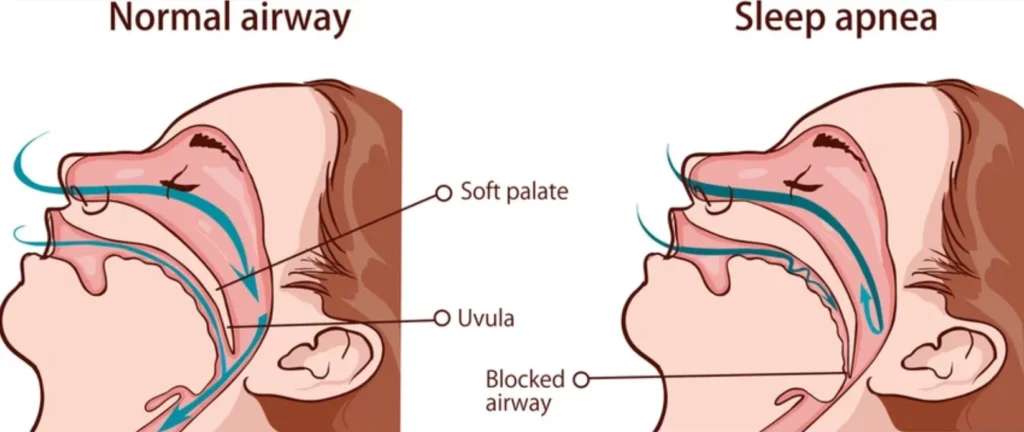
Protecting Your Teeth and Gums from Snoring-Related Problems
In addition to maintaining good oral hygiene, you can also try chewing sugar-free gum to stimulate saliva production. Avoiding sugary and acidic foods and drinks can also help prevent tooth decay.
5. Sleep Apnea
Snoring is one of the most common symptoms of sleep apnea, a serious sleep disorder that can have significant impacts on your health, including your oral health. Sleep apnea causes pauses in breathing while sleeping, resulting in low oxygen levels and increased blood pressure. These fluctuations in oxygen levels can increase the risk of gum disease and tooth decay.
If you suspect you have sleep apnea, it is crucial to seek treatment from a sleep specialist. This can not only improve your sleep quality but also help protect your teeth and gums from the potential damage caused by sleep apnea.
Tips for Protecting Your Teeth and Gums from Snoring-Related Problems:
1. Address the underlying cause of your snoring by consulting with a doctor or sleep specialist.
2. Use a humidifier in your bedroom to prevent dry mouth while sleeping.
3. Drink plenty of water throughout the day to keep your mouth hydrated.
4. Wear a mouthguard to protect your teeth from grinding and clenching while sleeping.
5. Maintain good oral hygiene practices, including brushing twice a day, flossing daily, and using an antibacterial mouthwash.
6. Avoid sugary and acidic foods and drinks that can increase the risk of tooth decay.
7. Seek treatment for sleep apnea to improve your overall health and protect your teeth and gums.
In conclusion, snoring may seem like a harmless annoyance, but it can have serious consequences for your oral health. By taking steps to address the underlying cause of your snoring and following these tips, you can protect your teeth and gums from the potential damage caused by snoring-related problems.
SEO Metadata: