
On a red-eye flight home, an anonymous traveler dozes off in the middle seat. Ten minutes later, the snoring starts. A seatmate records a “sleep gadget” ad they saw earlier and jokes, “Should’ve packed one of those.” Everyone laughs, but nobody feels rested when the plane lands.
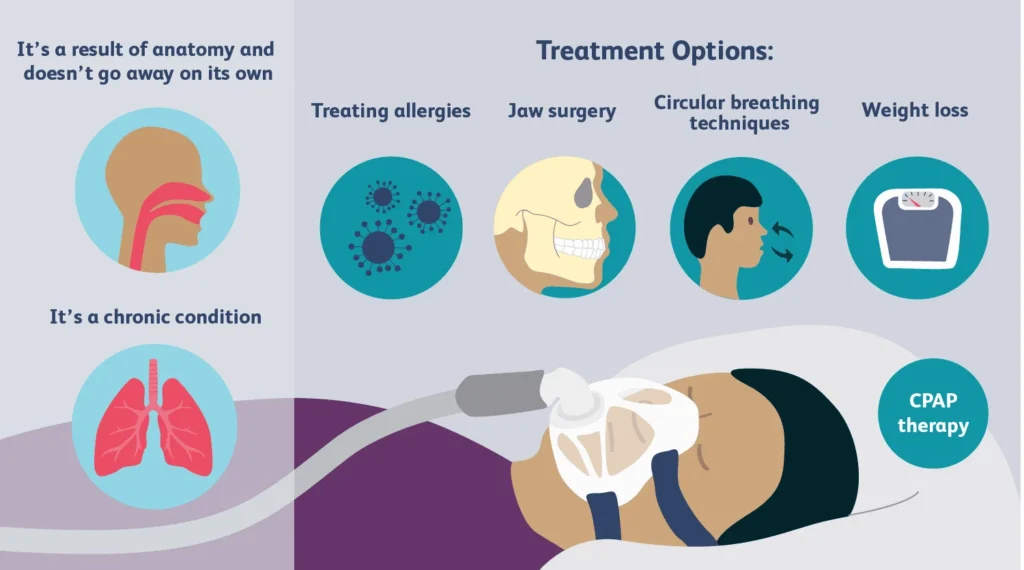
That’s the current vibe around sleep: performance hacks, wearable trackers, relationship humor, and a growing realization that sleep quality isn’t optional. If snoring is the loud problem you can’t ignore, an anti snoring mouthpiece is one of the most practical tools people keep coming back to—because it’s simple, portable, and doesn’t require a nightstand full of tech.
Overview: Why snoring is suddenly everyone’s topic
Snoring has always existed. What changed is how often people talk about it. Workplace burnout, travel fatigue, and “optimize everything” health trends put sleep under a spotlight. At the same time, headlines keep circling one key idea: airflow matters, and the nose can play a bigger role in sleep and performance than many people expect.
Snoring usually happens when airflow is restricted and soft tissues vibrate. Congestion can contribute. Jaw position can contribute too, especially when the lower jaw relaxes back during sleep. That’s where mouthpieces enter the conversation.
If you want a general read on the performance angle, see this Could Your Nose Be Key to Better Performance?.
Timing: When an anti-snoring mouthpiece makes sense
Think of timing as your “why now.” People often shop for a mouthpiece after one of these moments:
- Post-trip exhaustion: You slept “enough,” but you still feel wrecked.
- Partner feedback: The jokes stop being funny at 3 a.m.
- New health kick: You’re tracking sleep and seeing constant interruptions.
- Dry mouth mornings: A clue you might be mouth-breathing or snoring.
Important: loud snoring plus choking/gasping, witnessed pauses in breathing, morning headaches, or heavy daytime sleepiness can be signs of sleep apnea. That needs medical evaluation, not just a gadget.
Supplies: What to gather before you start
Set yourself up for a clean, low-friction first week. You’ll want:
- Your mouthpiece (and case, if it includes one)
- A mirror and good lighting
- Mild soap (or the brand’s recommended cleaner)
- A soft toothbrush dedicated to cleaning the device
- Optional: saline rinse/spray for nighttime congestion comfort
If you’re looking at combo options that also support closed-mouth sleep, this anti snoring mouthpiece is the type of pairing many shoppers compare when they want both positioning and stability.
Step-by-step (ICI): A practical setup you can actually follow
Here’s an ICI-style approach—Inspect, Customize, Integrate—focused on comfort, positioning, and cleanup.
I — Inspect: check fit, feel, and deal-breakers
Before night one, do a quick reality check:
- Teeth and gums: No sharp edges rubbing your gumline.
- Jaw comfort: You should feel supported, not forced.
- Breathing: You can still breathe comfortably through your mouth if needed.
If you have significant jaw pain, loose teeth, recent dental work, or ongoing dental issues, pause and ask a clinician or dentist what’s appropriate for you.
C — Customize: dial in positioning for comfort
Many mouthpieces aim to keep the lower jaw from falling back. That can reduce airway narrowing in some people. Comfort matters more than “max forward.”
- Start conservative: Aim for a gentle forward position that feels stable.
- Test while awake: Wear it for 15–30 minutes while reading or watching TV.
- Notice pressure points: Hot spots now become pain at 2 a.m.
I — Integrate: make it stick (and keep it clean)
Integration is the boring part that makes results more likely:
- Night 1–3: Shorter wear is fine if you’re adjusting.
- Sleep position: Side-sleeping often pairs well with snoring strategies.
- Morning cleanup: Rinse, gentle brush, air-dry. Store it dry.
If congestion is part of your snoring story, people often experiment with simple nose-comfort routines. Some recent reporting has discussed saline approaches in specific populations, but your best move is to keep it basic and safe and talk to a clinician for personalized guidance.
Mistakes: What makes mouthpieces fail (even when the idea is right)
- Chasing “instant perfection”: A rough first night doesn’t mean it can’t work. It may mean you need a slower ramp-up.
- Over-advancing the jaw: Too aggressive can trigger soreness and make you quit.
- Ignoring nasal blockage: If your nose is always stuffed, you’re fighting uphill.
- Skipping cleaning: Odor and buildup ruin adherence fast.
- Missing red flags: Suspected sleep apnea symptoms should prompt medical evaluation.
FAQ: Quick answers people want before they buy
Will a mouthpiece improve sleep quality?
It can if snoring is disrupting sleep for you or your partner. Better sleep quality often shows up as fewer awakenings and less morning grogginess, but results vary.
Is snoring always a health problem?
Not always, but it can signal airway issues. Persistent, loud snoring is worth paying attention to, especially with daytime sleepiness or breathing concerns.
Can I combine a mouthpiece with other sleep habits?
Yes. Many people pair it with consistent sleep timing, side-sleeping, and strategies that support comfortable nasal breathing.
CTA: Choose a simple next step
If snoring is turning sleep into a nightly negotiation, don’t overcomplicate it. Start with a comfort-first plan, track how you feel in the morning, and adjust gradually.
How do anti-snoring mouthpieces work?
Medical disclaimer: This article is for general information only and is not medical advice. Snoring can be a symptom of obstructive sleep apnea or other conditions. If you have choking/gasping at night, witnessed breathing pauses, chest pain, severe daytime sleepiness, or persistent symptoms, seek evaluation from a qualified healthcare professional.