
Blog Post Title: Quiet Your Snoring: Strategies for a Restful Night’s Sleep
Summary:
Snoring is a common problem that affects many people, often leading to poor sleep quality and daytime fatigue. While occasional snoring may be harmless, chronic snoring can be a symptom of a more serious underlying condition such as sleep apnea. Fortunately, there are various strategies that can help reduce snoring and improve the quality of sleep. In this blog post, we will discuss effective ways to quiet your snoring and achieve a restful night’s sleep.
The first step to addressing snoring is to identify the root cause. Snoring can be caused by factors such as nasal congestion, sleeping position, and lifestyle habits. If you experience chronic snoring, it is recommended to consult a doctor to rule out any underlying medical conditions.
One common cause of snoring is nasal congestion. When the nasal passages are blocked, it can force air to flow through a smaller space, resulting in snoring. To alleviate nasal congestion, try using a saline nasal spray or a nasal decongestant before bed. This can help open up the nasal passages and reduce snoring.
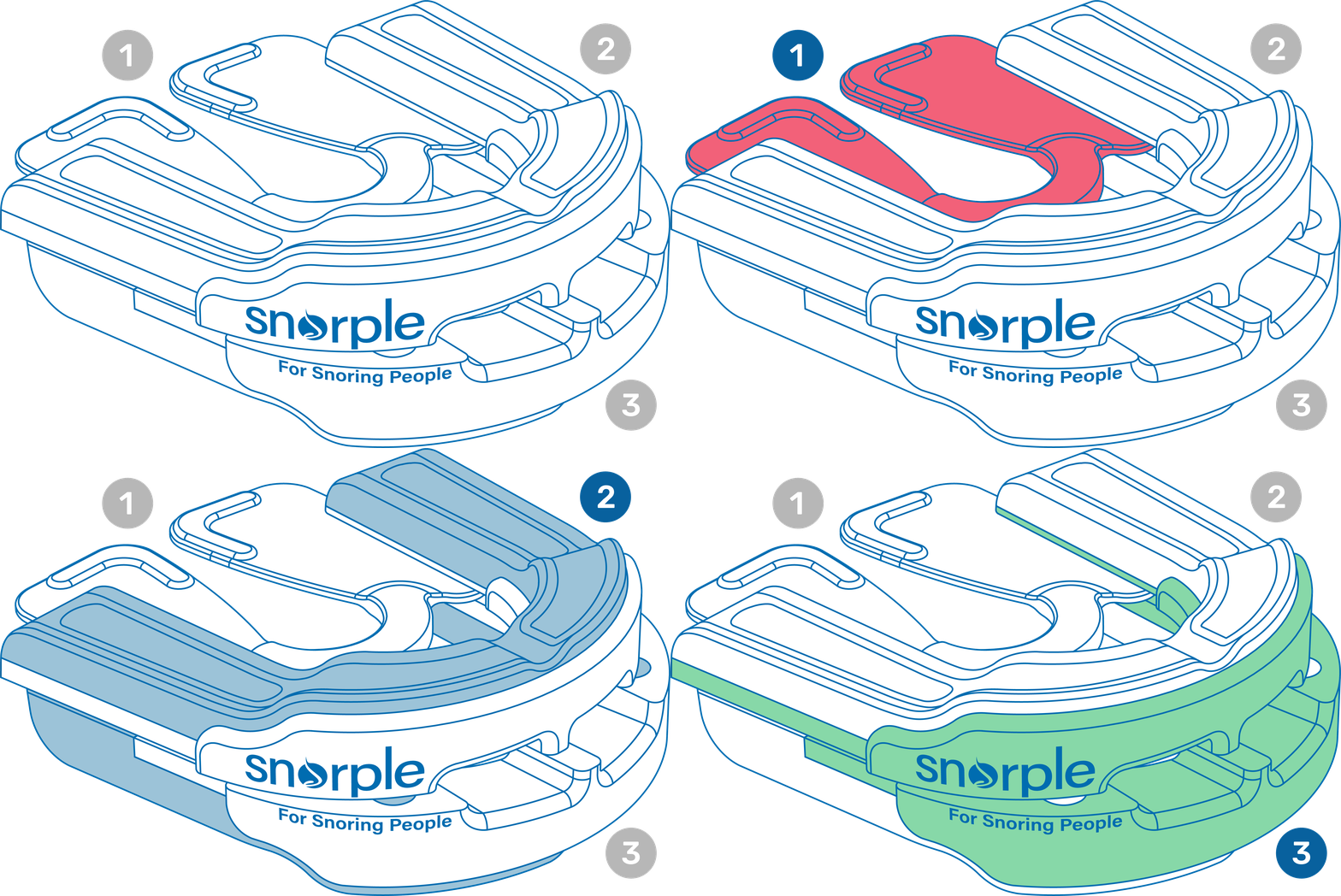
Quiet Your Snoring: Strategies for a Restful Night's Sleep
Another effective strategy to reduce snoring is to change your sleeping position. Sleeping on your back can cause the tongue and soft tissues in the throat to block the airway, leading to snoring. Sleeping on your side or elevating your head with an extra pillow can help keep the airway open and reduce snoring. If you have trouble staying in one position throughout the night, try using a body pillow or a wedge pillow to keep you comfortably on your side.
Lifestyle habits such as smoking and alcohol consumption can also contribute to snoring. Smoking irritates the tissues in the throat, causing them to swell and block the airway. Similarly, alcohol relaxes the muscles in the throat, making it easier for them to collapse and cause snoring. Reducing or eliminating these habits can greatly improve snoring and overall sleep quality.
Maintaining a healthy weight can also help reduce snoring. Excess weight around the neck and throat can put pressure on the airway, making it more likely to collapse and cause snoring. Incorporating regular exercise and a balanced diet can not only help with weight loss but also improve breathing and reduce snoring.
In some cases, snoring may be a symptom of a more serious condition known as sleep apnea. Sleep apnea is a sleep disorder where breathing repeatedly stops and starts during sleep. This can lead to interruptions in sleep and other health issues. If you suspect you may have sleep apnea, it is important to consult a doctor for proper diagnosis and treatment. Treatment options for sleep apnea may include using a continuous positive airway pressure (CPAP) machine, oral devices, or surgery.
Aside from these strategies, there are also lifestyle changes that can help reduce snoring and improve sleep quality. These include maintaining a regular sleep schedule, practicing good sleep hygiene, and using relaxation techniques such as yoga or meditation before bed. It is also important to create a comfortable and quiet sleep environment to promote restful sleep.
In conclusion, snoring can greatly impact the quality of sleep and overall health. By identifying the root cause and implementing effective strategies, such as reducing nasal congestion, changing sleeping positions, and maintaining a healthy lifestyle, snoring can be reduced and a restful night’s sleep can be achieved. If snoring persists despite these strategies, it is best to consult a doctor for further evaluation and treatment options.