
On the third night of a work trip, an anonymous traveler did the math at 2:13 a.m.: one loud snore equals one more hotel pillow dragged over the head. The next morning brought the usual combo—dry mouth, brain fog, and a coffee that felt like a life plan.
If that sounds familiar, you’re not alone. Snoring is showing up everywhere right now—alongside sleep gadgets, “optimize your recovery” trends, travel fatigue, and the very real burnout that makes sleep feel like a scarce resource. The good news: you can take a practical, at-home first step without wasting a month cycling through random fixes.
Start here: what snoring is doing to your sleep quality
Snoring can be “just noise,” but it can also be a sign that airflow is getting cramped during sleep. Either way, it can fragment sleep—yours, your partner’s, or both. That’s why snoring has become a relationship punchline and a productivity problem at the same time.
Before you buy anything, do a quick reality check. If you wake up unrefreshed, fight daytime sleepiness, or your bed partner notices pauses in breathing, don’t treat it as a simple nuisance.
For a general overview of warning signs, see Bruxism And Sleep Apnea Guard Anti Snoring Seeping Apnea Device Bruxism Mouth Guard Teeth Bruxism Sleeping Apnea Guard Snoring Mouth Guard Snoring Stop Snorin I.747849355 Sleep Apnea Mouth Guard. It’s a helpful starting point for what to watch for.
The decision guide: if…then… choose your next move
Use these branches like a checklist. You’re aiming for a solution you can stick with, not the fanciest device on your feed.
If snoring is worse on your back, then consider a mouthpiece first
Back-sleeping can let the jaw and soft tissues drift in a way that narrows airflow. An anti snoring mouthpiece is often designed to support a better airway position by gently guiding the jaw or tongue. For many people, that’s a practical first-line option at home.
Budget lens: a mouthpiece can be a simpler test than buying multiple “smart” sleep gadgets that may not address airflow at all.
If you wake with a dry mouth, then think about mouth-breathing support
Dry mouth often pairs with sleeping with your mouth open. In that case, a combo approach may feel more stable than a mouthpiece alone.
If you want a single product path to try, look at this anti snoring mouthpiece. It’s aimed at people who suspect mouth-breathing is part of the problem.
If you grind your teeth, then don’t assume any guard is the right guard
Bruxism shows up in a lot of recent product chatter for a reason: many people clench or grind and also snore. A generic “night guard” may protect teeth, but it may not reduce snoring. Meanwhile, a snoring-focused device may feel wrong if it ignores grinding comfort.
Practical move: prioritize fit and comfort. If you wake with jaw soreness, headaches, or tooth pain, pause and reassess rather than forcing it.
If you’re chasing sleep data, then make sure the basics are covered
Sleep trackers can be motivating, but they can’t replace airflow. If your wearable says you slept eight hours but you feel wrecked, treat that as a clue. The goal is fewer awakenings and better breathing, not prettier charts.
If there are red flags, then skip DIY and get evaluated
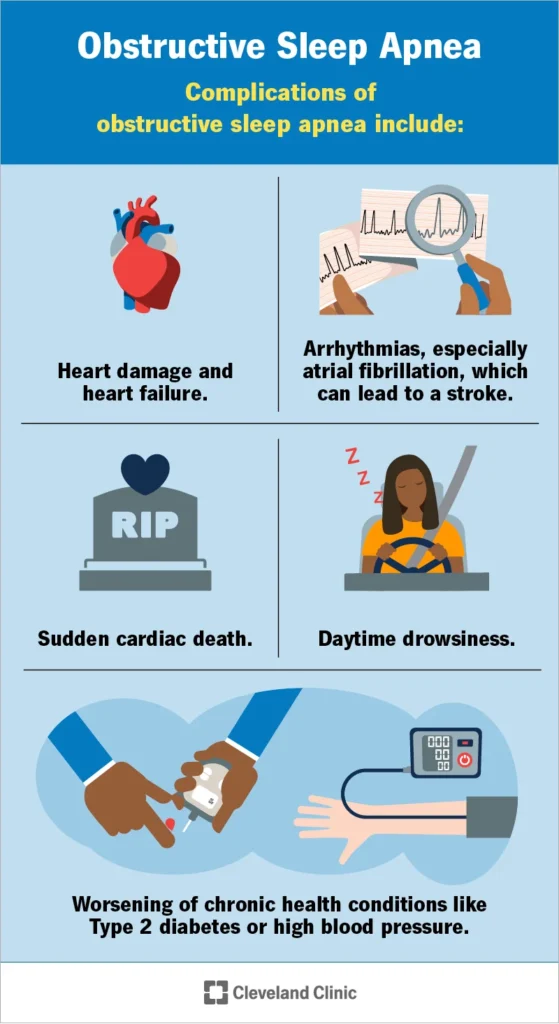
Don’t gamble with symptoms that suggest obstructive sleep apnea. Common red flags include loud snoring with choking or gasping, witnessed breathing pauses, and significant daytime sleepiness. If any of these fit, talk with a clinician or a sleep specialist before relying on an over-the-counter device.
How to try a mouthpiece without wasting a cycle
- Pick one change at a time. When you stack sprays, tapes, pillows, and devices, you can’t tell what helped.
- Run a short trial. Give it enough nights to assess comfort and noise reduction, but stop if pain builds.
- Track two outcomes. (1) Snoring volume/frequency (partner feedback counts). (2) Morning feeling: dry mouth, headache, grogginess.
- Protect your routine. Travel and burnout amplify snoring triggers like irregular sleep, alcohol, and congestion.
FAQ: quick answers people ask before buying
Do anti-snoring mouthpieces work for everyone?
No. They often help when snoring is related to jaw position or mouth-breathing, but they may not help if congestion, alcohol, or untreated sleep apnea is driving the noise.
What’s the difference between snoring and sleep apnea?
Snoring is a sound from airflow vibration. Sleep apnea involves repeated breathing interruptions and can come with gasping, choking, or marked daytime sleepiness. If you suspect apnea, get evaluated.
Can a mouthpiece help if I grind my teeth (bruxism)?
Some mouthguards focus on grinding, while others are designed to reduce snoring by repositioning the jaw. If you grind, look for a design that considers both comfort and tooth protection.
How long does it take to get used to a mouthpiece?
Many people need a short adjustment period. Start with a few nights of trial, track comfort, and stop if you develop jaw pain or tooth soreness that doesn’t settle.
Is a chin strap necessary with a mouthpiece?
Not always. A chin strap can help some mouth-breathers keep lips closed, but it’s not a universal need. Comfort and consistent use matter more than stacking gadgets.
CTA: choose the simplest next step you’ll actually use
If snoring is stealing your sleep quality, start with one practical change and measure it. If mouth-breathing seems likely, a combo setup can be a straightforward trial.
How do anti-snoring mouthpieces work?
Medical disclaimer: This article is for general education only and isn’t medical advice. Snoring can be a symptom of a sleep-related breathing disorder. If you have choking/gasping, witnessed breathing pauses, severe daytime sleepiness, chest pain, or persistent symptoms, seek evaluation from a qualified clinician.