
- Snoring is having a cultural moment—sleep trackers, “smart” pillows, and travel fatigue have people searching for real fixes.
- Sleep quality is the point: quieter nights matter because fragmented sleep can wreck mood, focus, and workouts.
- An anti snoring mouthpiece can be a practical tool when snoring is tied to jaw/tongue position, not just congestion.
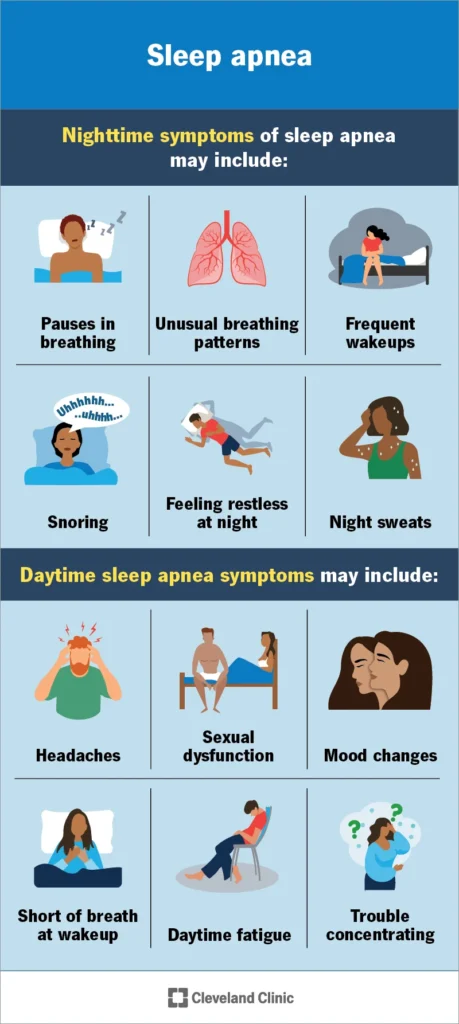
- Safety comes first: screen for red flags like choking/gasping, morning headaches, and daytime sleepiness.
- Document what you try so you can tell what’s working (and show a clinician if you need help).
Overview: Why everyone’s talking about snoring again
Snoring used to be a punchline. Now it’s part relationship joke, part health trend, and part “I’m exhausted from travel and work” reality. Between wearable sleep scores and endless gadget launches, more people are noticing that snoring isn’t just noise—it often signals poor sleep quality for both partners.
Recent mainstream coverage keeps circling the same theme: start with simple changes, but take persistent symptoms seriously. If you’re looking for a targeted tool, an anti snoring mouthpiece is one of the most talked-about options because it’s relatively low effort compared with bigger lifestyle overhauls.
For general, physician-led pointers, see this resource on How to stop snoring: 7 tips from a board-certified physician.
Timing: When to try a mouthpiece—and when to get checked
Good timing to consider a mouthpiece
A mouthpiece may be worth a trial if your snoring is frequent, bothers your sleep partner, or spikes during travel, allergy season, or stressful work stretches. Many people try one after realizing that “I’ll just go to bed earlier” doesn’t fix broken sleep.
Don’t delay screening if you notice red flags
Snoring can overlap with sleep apnea symptoms. Seek medical guidance if you (or your partner) notice choking/gasping, breathing pauses, significant daytime sleepiness, or high blood pressure concerns. If you’re unsure, treat it like a safety check, not a self-diagnosis project.
Supplies: What you’ll want before night one
- Your mouthpiece (follow the included fitting instructions closely).
- A simple tracking note on your phone: bedtime, wake time, snoring feedback, and how you feel in the morning.
- Basic cleaning items: soft toothbrush, mild soap (or cleaner recommended by the maker), and a ventilated case.
- Backup comfort tools: water at bedside, and nasal saline if congestion is part of the picture.
If you’re comparing options, start here: anti snoring mouthpiece.
Step-by-step (ICI): Identify → Choose → Implement
1) Identify what’s driving the snore (quick, practical clues)
Start with patterns. Does snoring happen mostly on your back? Does it spike after alcohol, late meals, or a week of burnout? Does it show up with congestion? These clues help you pick the least complicated solution.
- Back-sleeping snoring often points to airway collapse that may respond to positional changes or a mouthpiece.
- Congestion-heavy snoring may need nasal support plus sleep-hygiene basics.
- All-night, loud snoring with daytime fatigue deserves screening for sleep apnea.
2) Choose a plan that’s easy to stick to
Sleep trends can get loud: smart rings, sleep “tape,” high-tech pillows, and endless hacks. Your best plan is the one you’ll actually do for two weeks. For many adults, that means pairing a mouthpiece trial with two or three simple habit changes.
- Keep it minimal: one device change + one routine change + tracking.
- Keep it honest: if your partner still hears snoring nightly, that’s data.
- Keep it safe: stop if you develop jaw pain, tooth pain, or worsening sleep.
3) Implement the mouthpiece trial the right way
Night 1–3: comfort first. Fit matters, but forcing it can backfire. Aim for secure, not aggressive. If you wake up sore, adjust per instructions or pause and reassess.
Night 4–10: look for trends. Ask your partner for simple feedback (0–10 loudness). If you sleep alone, use a snore-tracking app as a rough signal, not a medical tool.
Night 11–14: decide with evidence. Compare how you feel in the morning, not just whether the room is quieter. Better sleep quality often shows up as fewer wake-ups, less grogginess, and improved focus.
Mistakes that waste money (or create new problems)
Ignoring screening signs
If you have symptoms that suggest sleep apnea, a mouthpiece trial shouldn’t replace medical evaluation. Think “supportive step,” not “final answer.”
Over-tightening or pushing through jaw pain
Mouthpieces shouldn’t leave you with lasting jaw soreness. Discomfort that persists can signal a poor fit or an issue that needs professional input.
Not cleaning and drying consistently
Warm, damp gear can get gross fast. Clean it as directed and let it dry fully. Replace it if it warps, cracks, or smells even after cleaning.
Changing five things at once
When you stack a new pillow, a new supplement, a new mouthpiece, and a new bedtime, you can’t tell what helped. Run a clean test so your next step is obvious.
FAQ: Quick answers people want right now
Will a mouthpiece fix snoring caused by allergies?
It can still help some people, but congestion may need its own plan. Many households use a combined approach: nasal support plus a mouthpiece trial.
What if my partner says I stopped snoring but I still feel tired?
That’s a sign to look beyond noise. Poor sleep quality can come from stress, travel fatigue, insomnia, or sleep apnea. Consider medical screening if fatigue is persistent.
Is “dentist-approved” the same as “right for me”?
Not always. Mouth and jaw anatomy vary. If you have dental work, TMJ issues, or bite concerns, professional guidance is the safer path.
CTA: Make your next step simple
If snoring is affecting your sleep quality—or your relationship’s peace treaty at bedtime—choose one practical plan and track it for two weeks. If you see red flags, prioritize screening.
How do anti-snoring mouthpieces work?
Medical disclaimer: This article is for general education only and isn’t medical advice. It doesn’t diagnose, treat, or replace care from a licensed clinician. If you suspect sleep apnea or have concerning symptoms (breathing pauses, choking/gasping, severe daytime sleepiness, or chest pain), seek medical evaluation promptly.