
At 2:13 a.m., someone on the couch scrolls through sleep gadget reviews with one eye open. The bedroom door is closed, but the sound still leaks out—like a tiny motorcycle revving in the next room. By morning, both people are tired, slightly annoyed, and joking about filing a noise complaint.
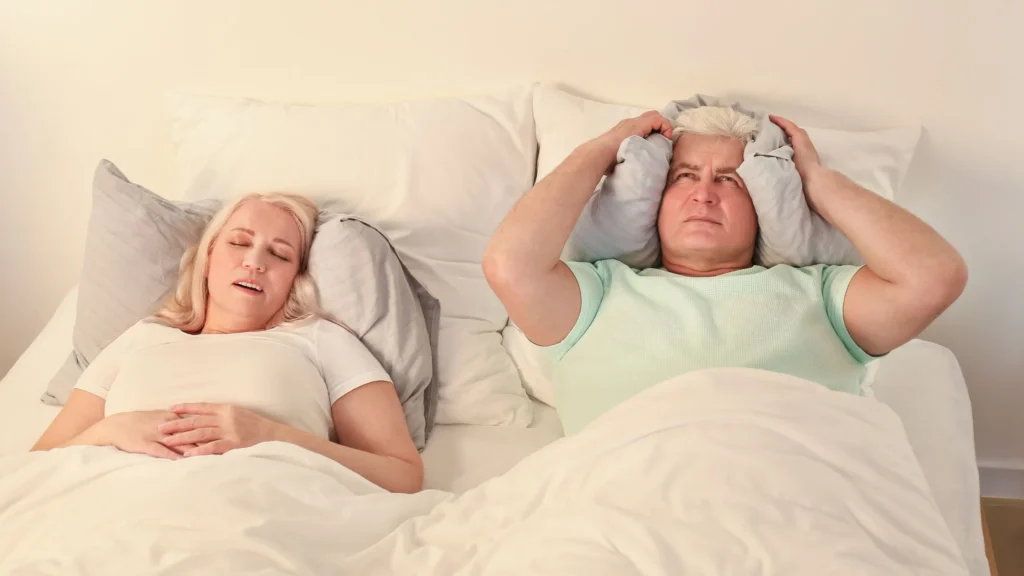
That scene feels extra familiar lately. Sleep trackers are everywhere, travel fatigue is real, and workplace burnout makes every hour of rest feel precious. It also explains why the anti-snoring category keeps popping up in business and health headlines, from market competition updates to “is it snoring or sleep apnea?” explainers.
Overview: where an anti snoring mouthpiece fits in sleep health
Snoring happens when airflow meets resistance and tissues vibrate. For many adults, the issue worsens when the jaw relaxes and the airway narrows. That’s the niche an anti snoring mouthpiece tries to address.
Most mouthpieces aim to keep the airway more open by gently positioning the lower jaw forward or stabilizing the tongue. The goal is simple: reduce vibration, reduce noise, and protect sleep quality for you and anyone within earshot.
Snoring is common, but it’s not always “just snoring.” Some headlines keep stressing the same point: if there are signs of sleep apnea, you need a proper medical conversation, not just another gadget in the nightstand.
Timing: the best moment to test a mouthpiece (and when to pause)
Timing matters because comfort and consistency decide whether you’ll actually use the device. If you’re starting a mouthpiece, pick a stretch of calmer nights. Avoid the first week of a new job shift, a big deadline, or a red-eye flight.
Good times to start
- A normal week at home: predictable sleep makes it easier to notice changes.
- After travel recovery: jet lag can mimic “bad sleep,” so let your schedule settle first.
- When you can track a baseline: a few nights of notes helps you compare.
Times to pause and get checked
- Breathing pauses noticed by a partner
- Choking or gasping during sleep
- Severe daytime sleepiness, especially while driving
- High blood pressure or other risk factors you’re already monitoring
Also keep the bigger picture in mind. Sleep health headlines often tie poor sleep habits to long-term risks. You don’t need to panic, but you do want to treat sleep as a real health input, not a luxury.
Supplies: what you’ll want before night one
Don’t overbuy. A few basics make the first week smoother and help you judge results fairly.
- Your chosen mouthpiece: ideally one with clear fit instructions and return options.
- A simple notebook note or phone note: track snoring, comfort, and morning feel.
- Water + a toothbrush: oral hygiene matters when you’re wearing a device nightly.
- Optional: a phone snore-recording app to compare before/after (keep expectations realistic).
If you’re shopping and want to compare styles, you can browse anti snoring mouthpiece to see what features are common.
Step-by-step (ICI): a simple plan you can actually follow
This is an ICI approach: Identify what’s happening, Choose one change, then Iterate based on results.
1) Identify your most likely snoring pattern
Use quick clues, not guesswork spirals. Does it get worse on your back? After alcohol? During allergy season? After late meals? Write down what you notice for 3 nights.
2) Choose one primary tool: mouthpiece first, or a different fix
If your snoring seems tied to jaw relaxation or back-sleeping, a mouthpiece is a reasonable first tool. If you’re mostly congested, you may need to prioritize nasal support and general sleep hygiene.
Curious about the broader trend side of this category? Here’s a high-level reference that reflects why so many new products keep launching: Anti-snoring Devices Market Competitive Landscape Report 2025: Top Players Analysis, Profiles, Strategic Developments, Mergers, Product Innovations and Launches, Sustainability Goals, Revenue Insights.
3) Iterate your fit and routine for 7–14 nights
Expect a short adjustment phase. Many people quit too early because the first night feels “different,” not because it’s truly wrong for them.
- Night 1–3: focus on comfort. Wear it for part of the night if needed.
- Night 4–7: aim for consistent use. Keep notes on snoring volume and morning jaw feel.
- Week 2: decide based on outcomes: less snoring, better sleep quality, fewer wake-ups.
If you share a bed, make the feedback easy. A simple “0–10 loudness score” is better than a 3 a.m. argument. Relationship humor is fine; resentment is not a sleep strategy.
Mistakes that make snoring gadgets feel useless
Buying three devices at once
It’s tempting when your feed is full of sleep tech. But stacking gadgets makes it hard to know what helped. Pick one change, test it, then adjust.
Ignoring mouth comfort and dental fit
If you wake up with sharp jaw pain, headaches, or tooth discomfort, don’t “push through.” Poor fit can derail sleep quality fast. Consider a different style or professional guidance.
Expecting a mouthpiece to fix everything
A mouthpiece targets a specific mechanism. It won’t replace basics like a consistent schedule, limiting alcohol close to bedtime, or addressing chronic congestion.
Missing red flags for sleep apnea
Snoring plus breathing pauses, choking, or severe daytime sleepiness deserves evaluation. That’s not about gadgets; it’s about safety and long-term health.
FAQ: quick answers people keep searching
Is a mouthpiece the same as a night guard for grinding?
Not always. Some look similar, but anti-snoring designs aim to support airflow. A grinding guard mainly protects teeth and may not reduce snoring.
Will I stop snoring immediately?
Some people notice a change quickly. Others need a week or two of adjustment, especially if fit and routine are still being dialed in.
What if my partner snores too?
Handle it like any shared sleep problem: one change at a time, track results, and avoid blame. Two tired people can turn small noises into big conflicts.
CTA: want a clearer next step?
If you’re ready to explore a mouthpiece approach, start with one option and test it consistently. Then judge it based on sleep quality, not just a single night of silence.
How do anti-snoring mouthpieces work?
Medical disclaimer: This article is for general education and does not provide medical advice, diagnosis, or treatment. If you suspect sleep apnea or have concerning symptoms (gasping, breathing pauses, severe daytime sleepiness, chest pain, or uncontrolled blood pressure), talk with a qualified clinician.