
Before you try anything for snoring, run this quick checklist.
- Screen for red flags: choking/gasping, witnessed pauses in breathing, heavy daytime sleepiness, morning headaches, or high blood pressure history.
- Pick one change at a time: a new gadget plus a new routine plus travel recovery all at once gets confusing fast.
- Protect your mouth: keep devices clean and dry, don’t share them, and replace if cracked or discolored.
- Track outcomes: snoring volume (partner rating), wake-ups, and how you feel at 2 p.m. matters more than a “perfect” sleep score.
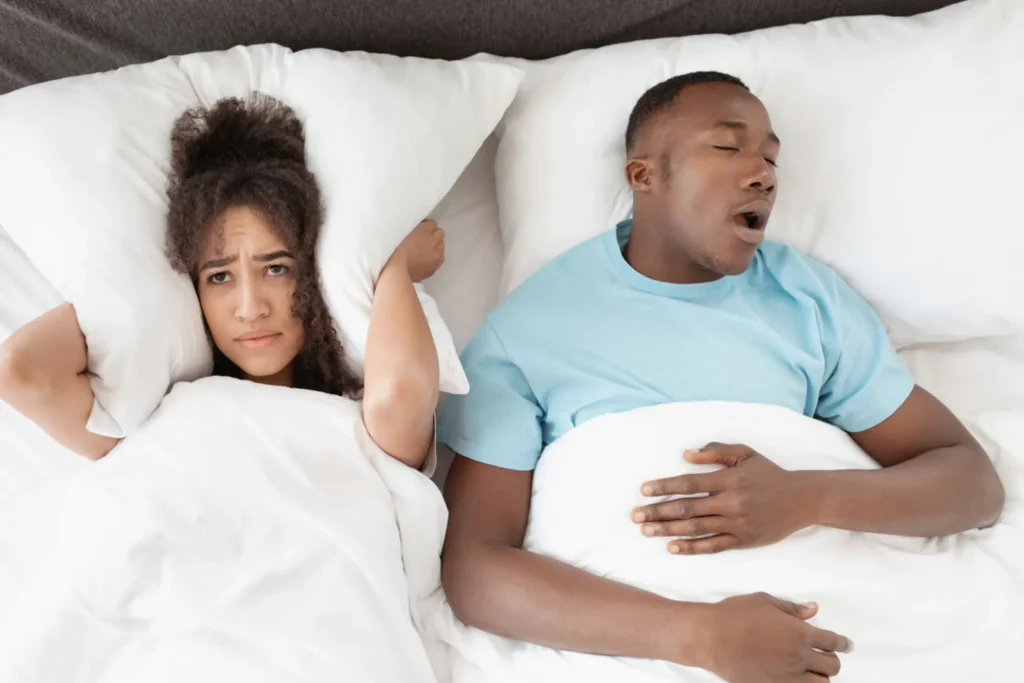
Snoring is having a cultural moment. Sleep gadgets are everywhere, “new year reset” advice is trending, and travel fatigue has people chasing quick fixes. Meanwhile, relationship jokes about the “human chainsaw” in bed still land because the problem is real. Better sleep is also tied to workplace burnout, so the stakes feel higher than a little noise.
Is snoring just annoying, or is it hurting sleep quality?
Snoring can be harmless. It can also fragment sleep for you, your partner, or both. Even when you don’t fully wake up, repeated arousals can leave you foggy, irritable, and craving caffeine.
One practical test: if you get enough hours but still feel unrefreshed, treat snoring as a sleep-quality issue, not only a “sound” issue. That’s when it makes sense to look at routines, breathing, and tools like an anti snoring mouthpiece.
When to stop DIY and get checked
Snoring plus certain symptoms can point to sleep apnea, a condition that needs medical evaluation. If you notice choking/gasping, witnessed breathing pauses, or significant daytime sleepiness, don’t self-treat only with gadgets.
For a general overview of sleep apnea symptoms and causes, you can also review reputable medical resources like Mayo Clinic.
What are people trying right now—and what’s the risk?
Sleep trends swing between “behavior first” and “tech first.” Lately it’s both: habit advice for a fresh start, plus connected devices that promise feedback. That can be helpful, but it can also feed overthinking at bedtime.
Some popular experiments come with tradeoffs:
- Mouth taping: People talk about it online, but it’s not a one-size-fits-all solution. If your nose is blocked, taping can feel panicky and may be unsafe for some people.
- Wearables and sleep scores: Useful for patterns, but chasing a number can backfire if it increases pre-bed anxiety.
- “Travel recovery” hacks: After flights and hotel beds, snoring can flare due to dryness, alcohol, and odd sleep timing. A simple plan beats extreme fixes.
What actually helps first: behavior, timing, or a device?
Start with the low-risk wins. Recent sleep advice in the news has emphasized practical categories like sleep drive, circadian rhythm, sleep hygiene, managing overthinking, and what you do right before bed.
If you want a broad, mainstream overview of those ideas, see this related coverage: Here are five behavioral and psychological tips for a fresh start toward better sleep in the new year, spanning five categories — sleep drive, circadian rhythm, sleep hygiene, overthinking and pre-bed activity. https://wapo.st/3MQgP1D.
Then decide if a tool belongs in your plan. If snoring is frequent, partner-impacting, or tied to jaw/tongue position, a mouthpiece can be a reasonable next step.
Where does an anti snoring mouthpiece fit—and who should be cautious?
An anti snoring mouthpiece is designed to improve airflow during sleep by changing oral positioning (often by gently guiding the lower jaw forward, depending on the type). For many people, that’s simpler than rebuilding an entire bedtime routine overnight.
Be cautious if you have jaw pain, TMJ issues, loose teeth, major dental work in progress, or frequent gum irritation. If you’re unsure, a dentist or sleep clinician can help you avoid expensive trial-and-error.
How to reduce “gross factor” and infection risk
Most problems people blame on a mouthpiece are actually cleaning and handling issues. Keep it simple:
- Wash hands before handling.
- Rinse after use and clean as directed by the manufacturer.
- Let it dry fully in a ventilated case.
- Replace on schedule, and replace immediately if it cracks or warps.
This also helps you document responsible use if you ever need to discuss symptoms with a clinician.
How do you choose a mouthpiece without wasting money?
Ignore hype and focus on fit, comfort, and consistency. A device that stays in the drawer can’t help your sleep quality.
Look for a clear return policy, straightforward instructions, and comfort features that reduce gagging or jaw strain. If you want a starting point, review options here: anti snoring mouthpiece.
How can you tell if it’s working (without spiraling over data)?
Use a two-week check-in. Keep notes in your phone, not a complicated spreadsheet:
- Snoring: partner rating or a simple audio check 2–3 nights per week.
- Sleep continuity: fewer wake-ups, less tossing.
- Daytime function: energy, mood, and focus.
If you see no improvement, don’t just tighten or force it. Consider nasal factors, alcohol timing, sleep position, or a medical screen for sleep apnea.
Common couple-friendly fixes that don’t start a fight
Snoring can feel personal, even when it isn’t. Try a “team plan” instead of blame:
- Agree on a simple signal if snoring starts (no midnight lectures).
- Pick one experiment for two weeks: side-sleeping, earlier alcohol cutoff, or a mouthpiece.
- Celebrate quieter nights. It’s health, not just harmony.
FAQ
Medical disclaimer: This article is for general education only and is not medical advice. Snoring can be a symptom of sleep apnea or other health conditions. If you have choking/gasping, breathing pauses, chest pain, severe daytime sleepiness, or worsening symptoms, seek evaluation from a qualified clinician.