
Quieting the Night: Solutions for Menopause-Related Snoring
Menopause is a natural and inevitable stage in a woman’s life that marks the end of fertility. While it is a normal part of aging, menopause can bring about various uncomfortable symptoms such as hot flashes, mood swings, and sleep disturbances. One common issue that affects menopausal women is snoring. Not only can it disrupt their own sleep, but it can also disturb their partner’s rest. In this blog post, we will explore the causes of menopause-related snoring and provide practical solutions to help women quiet the night and get a good night’s sleep.
What Causes Menopause-Related Snoring?
During menopause, a woman’s body goes through hormonal changes that can lead to weight gain and a redistribution of body fat. This can cause the soft tissues in the throat to become thicker and more relaxed, leading to snoring. Additionally, the decrease in estrogen levels can weaken the muscles in the throat, making them more prone to collapse and obstruct the airway. Other factors that can contribute to menopause-related snoring include:
1. Age: As we age, our muscles and tissues become weaker, including those in the throat. This can lead to snoring, especially in menopausal women.
2. Weight gain: Menopause can cause weight gain, particularly around the abdomen. This excess weight can put pressure on the airway, making it more difficult to breathe and resulting in snoring.
3. Medications: Some medications used to manage menopause symptoms, such as hormone replacement therapy, can relax the throat muscles, leading to snoring.
4. Lifestyle habits: Certain lifestyle habits like smoking and excessive alcohol consumption can contribute to snoring by irritating the throat tissues and causing them to relax.
Solutions to Quieting Menopause-Related Snoring
1. Maintain a Healthy Weight
Quieting the Night: Solutions for Menopause-Related Snoring
One of the most effective ways to reduce menopause-related snoring is to maintain a healthy weight. Women who are overweight or obese are more likely to snore due to the excess fat in the throat area. Losing weight through a balanced diet and regular exercise can help reduce snoring and improve overall health.
2. Practice Good Sleep Hygiene
Establishing a regular sleep schedule and creating a relaxing sleep environment can also help reduce snoring. It is recommended to have a consistent bedtime routine and avoid electronic devices before bed. Additionally, using a supportive pillow and sleeping on your side instead of your back can also help prevent snoring.
3. Use Nasal Strips or Dilators
Nasal strips or dilators can be effective in reducing snoring by opening up the nasal passages and allowing for easier breathing. These can be especially beneficial for women who experience congestion or allergies during menopause.
4. Try Oral Appliance Therapy
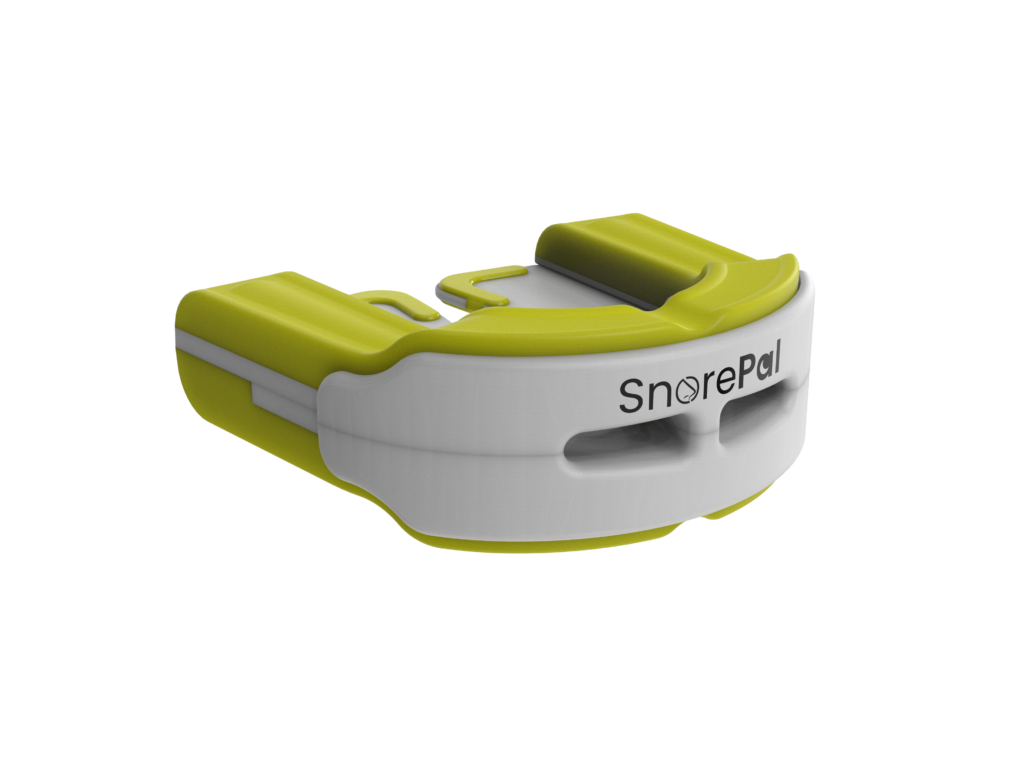
Oral appliances are custom-made devices that fit over the teeth and help keep the airway open during sleep. They work by repositioning the jaw and tongue to prevent the collapse of the throat tissues. This can be a more comfortable alternative to a CPAP machine for women who have sleep apnea and snoring.
5. Consult with a Doctor
If snoring persists, it is important to consult with a doctor to rule out any underlying medical conditions. They may recommend a sleep study to determine the severity of the snoring and provide further treatment options.
In conclusion, snoring can be a common and disruptive symptom of menopause. It is essential for women to address this issue not only for their own well-being but also for the sake of their partner’s sleep. By maintaining a healthy weight, practicing good sleep hygiene, using nasal strips or dilators, trying oral appliance therapy, and consulting with a doctor, menopausal women can quiet the night and get the restful sleep they deserve.