
Say Goodbye to Loud Nights: How to Alleviate Snoring from Alcohol
Do you or your partner suffer from snoring caused by alcohol consumption? If so, you are not alone. Many people experience snoring after drinking alcohol, which can disrupt sleep and cause discomfort for both parties involved. However, there are steps you can take to alleviate this issue and say goodbye to loud nights caused by snoring from alcohol. In this blog post, we will discuss the effects of alcohol on snoring and provide practical tips for reducing snoring and improving overall sleep quality.
How Alcohol Affects Snoring
Before diving into the solutions, it is important to understand how alcohol affects snoring. When we drink alcohol, it relaxes the muscles in our body, including those in our throat. This relaxation can cause the airway to become narrower, making it more difficult for air to pass through. As a result, the air vibrates against the tissues in the throat, creating the snoring sound.
Additionally, alcohol is a diuretic, meaning it increases the production of urine. This can lead to dehydration, which can cause the throat and nasal passages to become dry. Dryness in these areas can also contribute to snoring as it can lead to irritation and inflammation of the throat tissues, making it harder for air to pass through.
Tips for Reducing Snoring Caused by Alcohol
1. Limit Alcohol Consumption
The most effective way to reduce snoring caused by alcohol is to limit or avoid alcohol consumption altogether. This may not be the most appealing solution, especially for those who enjoy a drink or two in the evening. However, it is important to remember that alcohol can have negative effects on our sleep, including an increase in snoring. By limiting alcohol intake, you can reduce the chances of snoring and improve the quality of your sleep.
2. Stay Hydrated
As mentioned earlier, alcohol can cause dehydration, which can contribute to snoring. To combat this, make sure to drink plenty of water throughout the day and before going to bed. This will help keep your throat and nasal passages moist, reducing the chances of snoring. Additionally, staying hydrated has many other benefits for our overall health, so it is a win-win situation.
3. Sleep on Your Side
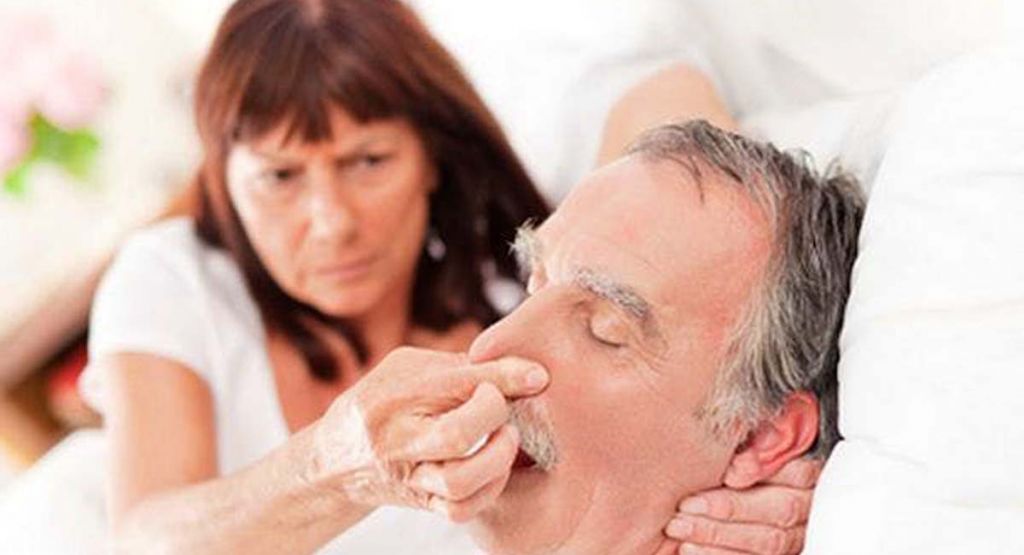
Say Goodbye to Loud Nights: How to Alleviate Snoring from Alcohol
Sleeping on your back can increase the likelihood of snoring, as it allows the relaxed muscles in your throat to obstruct the airway more easily. To prevent this, try sleeping on your side instead. This position can help keep your airway open and reduce snoring. You can also try using a body pillow or placing a pillow behind your back to prevent you from rolling onto your back during the night.
4. Elevate Your Head
Elevating your head while sleeping can also help alleviate snoring caused by alcohol. This can be done by using an extra pillow or investing in an adjustable bed. By elevating your head, gravity can help keep your airway open and reduce snoring. It can also help with any nasal congestion, making it easier to breathe while sleeping.
5. Use Nasal Strips
Nasal strips are adhesive strips that are placed on the outside of the nose to help open up the nasal passages. They work by pulling the nostrils apart, allowing for easier breathing. Using nasal strips can be helpful for those who suffer from snoring caused by nasal congestion or allergies. They are also a non-invasive and affordable option for reducing snoring.
6. Try Essential Oils
Some essential oils, such as peppermint, eucalyptus, and lavender, have been found to help reduce snoring. These oils have anti-inflammatory properties that can help reduce inflammation in the throat and nasal passages, making it easier to breathe. You can use them by simply diffusing them in your bedroom or mixing a few drops with a carrier oil and applying it to your chest or under your nose before sleeping.
7. Consult a Doctor
If snoring persists despite trying these tips, it may be a sign of a more serious underlying issue, such as sleep apnea. In this case, it is important to consult a doctor for proper diagnosis and treatment. They may recommend using a continuous positive airway pressure (CPAP) machine or other methods to help alleviate snoring and improve sleep quality.
In conclusion, snoring caused by alcohol can be a nuisance for both the snorer and their partner. However, by limiting alcohol consumption, staying hydrated, and trying other tips such as sleeping on your side and elevating your head, you can reduce snoring and improve sleep quality. Remember to consult a doctor if snoring persists, as it may be a sign of a more serious issue.
Summary:
Alcohol consumption can cause snoring as it relaxes the muscles in our throat and can lead to dehydration. To reduce snoring, limit alcohol intake, stay hydrated, sleep on your side, elevate your head, use nasal strips, try essential oils, and consult a doctor if snoring persists. By following these tips, you can say goodbye to loud nights caused by snoring from alcohol and improve overall sleep quality.