
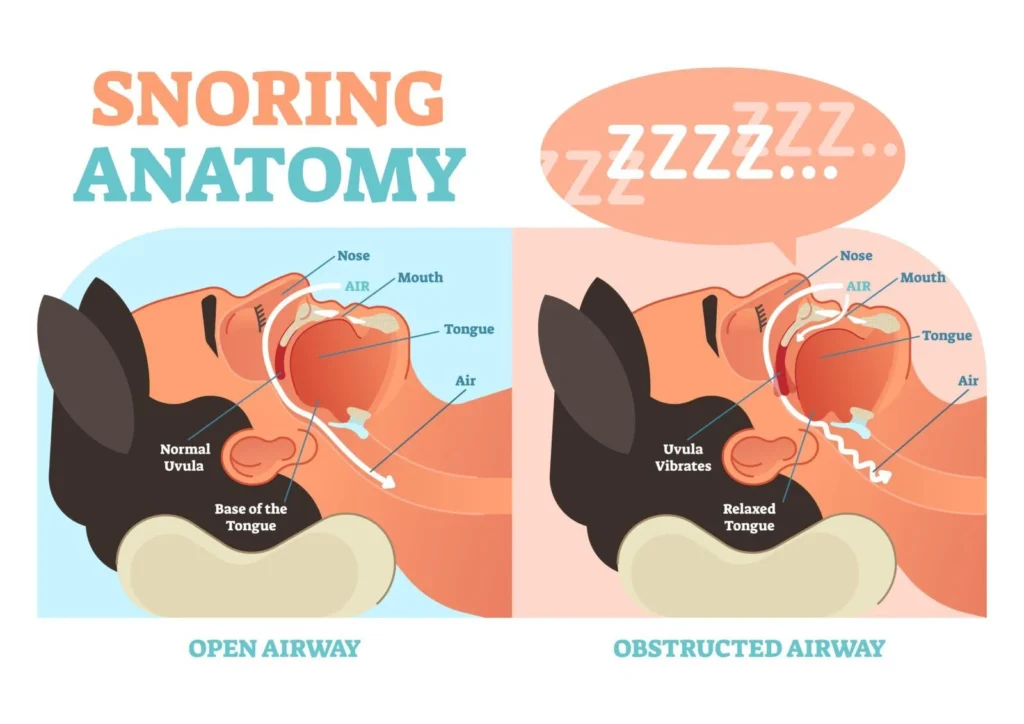
Snoring can be a nuisance for both the snorer and their partner. It can disrupt sleep and lead to exhaustion, irritability, and even health issues. But what many people don’t realize is that the position you sleep in can greatly affect snoring. By making some simple adjustments to your sleep position, you can say goodbye to snoring and enjoy a peaceful night’s sleep. In this blog post, we will discuss 5 positions for a peaceful night’s sleep that can help alleviate snoring.
1. Side Sleeping
The most effective position for reducing snoring is sleeping on your side. This is because it prevents the tongue and throat muscles from collapsing and blocking the airway, which is the main cause of snoring. To sleep on your side, you can try using a body pillow or placing a pillow between your legs to help keep your body in position. It may take some time to get used to sleeping on your side, but it is worth the effort for a snore-free night.
2. Elevate Your Head
Another position that can help reduce snoring is sleeping with your head slightly elevated. When your head is elevated, the airway is less likely to get blocked by your tongue or throat muscles. You can achieve this by using an adjustable bed or propping up your head with extra pillows. However, it is important to note that elevating your head too much can cause neck pain, so it is important to find a comfortable and safe angle.
3. Sleeping on Your Stomach
While sleeping on your stomach is not the most ideal position for a peaceful night’s sleep, it can help reduce snoring. This position helps keep the airway open by preventing the tongue and throat muscles from blocking it. However, it is important to make sure you have a supportive and comfortable pillow to prevent neck strain. Additionally, sleeping on your stomach can put strain on your lower back, so it may not be the best option for those with back pain.
Say Goodbye to Snoring: 5 Positions for a Peaceful Night's Sleep
4. Avoid Sleeping on Your Back
Sleeping on your back is known to be the worst position for snoring as it allows the tongue and throat muscles to collapse and obstruct the airway. This can result in loud snoring and even sleep apnea. If you tend to roll onto your back while sleeping, try sewing a tennis ball onto the back of your pajamas to prevent you from sleeping on your back. You can also try propping pillows on each side of your body to help keep you in a side sleeping position.
5. Use a Mandibular Advancement Device (MAD)
If you have tried different sleep positions and still struggle with snoring, it may be worth considering a mandibular advancement device (MAD). This is a mouthpiece that holds your jaw in a forward position, helping to keep the airway open. MADs can be purchased over the counter or custom-made by a dentist. It is important to consult with a healthcare professional before using a MAD to ensure it is the right option for you.
In addition to trying these sleep positions, there are also some lifestyle changes that can help reduce snoring. These include maintaining a healthy weight, avoiding alcohol and sedatives before bed, and keeping your nasal passages clear. It is also important to address any underlying medical conditions, such as allergies or sinus problems, that may contribute to snoring.
In conclusion, snoring can be a frustrating issue for both the snorer and their partner. But by making some simple adjustments to your sleep position, you can say goodbye to snoring and enjoy a peaceful night’s sleep. Whether it’s sleeping on your side, elevating your head, or using a MAD, there are options available to help alleviate snoring and improve your sleep quality.