
Say Goodbye to Snoring and Acid Reflux: A Comprehensive Guide
Snoring and acid reflux are two common issues that can greatly affect a person’s quality of life. Not only can they disrupt sleep and cause discomfort, but they can also lead to more serious health problems if left untreated. Fortunately, there are various solutions available to help individuals say goodbye to snoring and acid reflux for good. In this comprehensive guide, we will discuss the causes, symptoms, and treatments for both snoring and acid reflux, as well as provide helpful tips for preventing and managing these issues.
Understanding Snoring
Snoring is the loud, hoarse sound that occurs when air flows through the relaxed tissues in the throat, causing them to vibrate. It is a common problem that affects approximately 90 million adults in the United States alone. While occasional snoring may not be a cause for concern, chronic snoring can lead to various health issues, including fatigue, irritability, and even heart disease.
Causes of Snoring
The most common cause of snoring is the narrowing of the airway due to relaxed throat muscles. This can be caused by several factors, including:
– Obesity: Excess weight around the neck and throat can put pressure on the airway, leading to snoring.
– Alcohol consumption: Drinking alcohol before bedtime can relax the throat muscles and contribute to snoring.
– Sleep position: Sleeping on your back can cause your tongue to fall back and obstruct the airway, leading to snoring.
– Nasal congestion: Allergies, colds, and sinus infections can cause nasal congestion, making it difficult to breathe and resulting in snoring.
Symptoms of Snoring
Aside from the loud, hoarse sound, snoring can also be accompanied by other symptoms, such as:
– Gasping or choking during sleep
– Daytime fatigue and irritability
– Difficulty concentrating
– Sore throat or dry mouth upon waking up
Treatment for Snoring
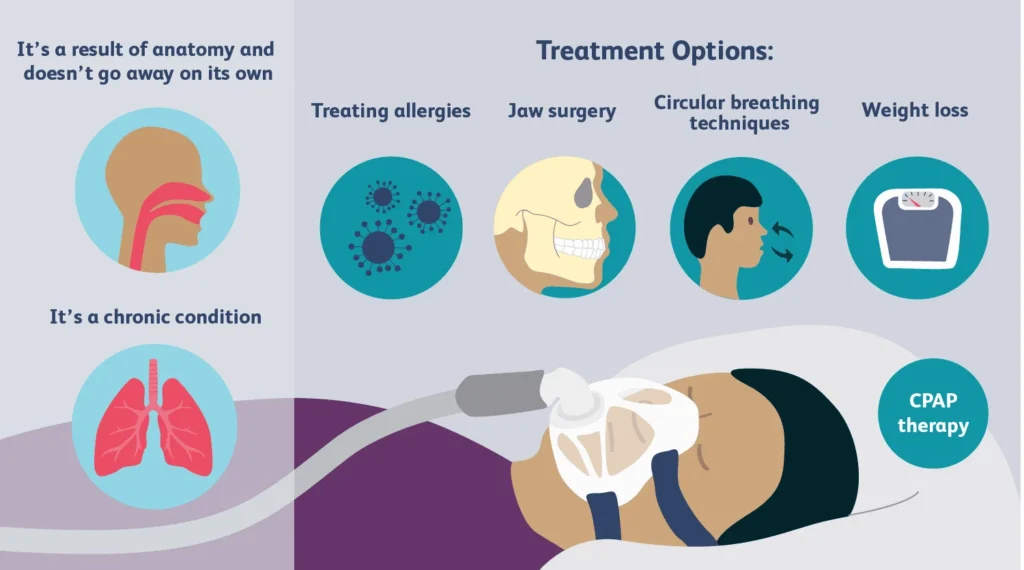
The treatment for snoring depends on its underlying cause. In some cases, simple lifestyle changes can help reduce or eliminate snoring, such as losing weight, avoiding alcohol before bedtime, and sleeping on your side. For more severe cases, a doctor may recommend the use of oral devices, such as a mandibular advancement device, to keep the airway open during sleep. In some cases, surgery may be necessary to correct structural issues in the throat.
Understanding Acid Reflux
Acid reflux, also known as gastroesophageal reflux disease (GERD), is a condition in which stomach acid travels back up into the esophagus, causing a burning sensation in the chest and throat. It is estimated that 20% of the population experiences acid reflux at least once a week, and it can significantly impact a person’s quality of life if left untreated.
Say Goodbye to Snoring and Acid Reflux: A Comprehensive Guide
Causes of Acid Reflux
The main cause of acid reflux is a weak or malfunctioning lower esophageal sphincter (LES). The LES is a circular band of muscle located between the esophagus and the stomach, and its function is to prevent stomach acid from traveling back up into the esophagus. When the LES is weakened or relaxed, stomach acid can easily flow back up, causing acid reflux. Other factors that can contribute to acid reflux include:
– Obesity: Excess weight can put pressure on the stomach, causing acid to flow back up into the esophagus.
– Eating large meals or lying down after eating: Both of these activities can put pressure on the LES and cause acid to reflux.
– Certain foods and drinks: Spicy, acidic, and fatty foods, as well as caffeine, alcohol, and carbonated beverages, can all trigger acid reflux.
– Smoking: Smoking can irritate the stomach and weaken the LES, leading to acid reflux.
Symptoms of Acid Reflux
The most common symptom of acid reflux is heartburn, a burning sensation in the chest that can also extend to the throat. Other symptoms include:
– Regurgitation of acid into the mouth
– Difficulty swallowing
– Chest pain
– Chronic cough or sore throat
– Nausea or vomiting
Treatment for Acid Reflux
The treatment for acid reflux also depends on its underlying cause. Lifestyle changes, such as avoiding trigger foods and eating smaller, more frequent meals, can help reduce symptoms. Over-the-counter medications, such as antacids and H2 blockers, can also provide relief. In more severe cases, a doctor may prescribe proton pump inhibitors or recommend surgery to strengthen the LES.
Preventing Snoring and Acid Reflux
While the causes of snoring and acid reflux may differ, there are some lifestyle changes that can help prevent both issues. These include:
– Maintaining a healthy weight
– Avoiding trigger foods and drinks
– Elevating the head of the bed while sleeping
– Sleeping on your side
– Quitting smoking
– Practicing good sleep hygiene, such as avoiding screens before bedtime and maintaining a regular sleep schedule
Conclusion
Snoring and acid reflux are two common issues that can greatly impact a person’s health and well-being. Fortunately, there are various solutions available to help individuals say goodbye to snoring and acid reflux. By understanding the causes, symptoms, and treatments for these issues, as well as implementing preventive measures, individuals can improve their quality of sleep and overall health.
In summary, snoring and acid reflux are common problems that can lead to various health issues if left untreated. Lifestyle changes, such as losing weight, avoiding trigger foods, and sleeping on your side, can help prevent and manage these issues. In more severe cases, medical interventions, such as oral devices or surgery, may be necessary. By taking action and seeking treatment, individuals can say goodbye to snoring and acid reflux, and improve their quality of life.