
Say Goodbye to Snoring and Hello to Quality Sleep with a Mouthpiece
Snoring is a common problem that affects millions of people worldwide. It not only disturbs the person snoring but also their partners, leading to poor sleep quality and potential relationship issues. While there are various remedies available in the market, one effective solution that has gained popularity is the use of a mouthpiece. In this blog post, we will delve deeper into what causes snoring, how a mouthpiece can help, and the different types of mouthpieces available.
What Causes Snoring?
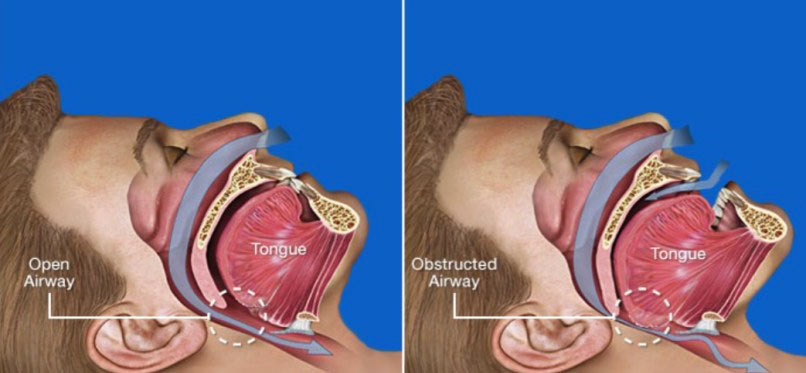
Snoring occurs when the air passage in our throat becomes partially blocked, causing the tissues in the back of the throat to vibrate. This creates the loud, irritating sound that we associate with snoring. Various factors can contribute to snoring, such as:
1. Age: As we age, our throat muscles become weaker, leading to snoring.
2. Obesity: Excess weight can contribute to snoring, as it can cause narrowing of the airway.
3. Sleep Position: Sleeping on your back can cause the tongue to fall back and block the airway, leading to snoring.
4. Nasal Problems: Chronic nasal congestion or a deviated septum can also contribute to snoring.
5. Alcohol Consumption: Alcohol relaxes the muscles in the throat, making it more likely to snore.
How Can a Mouthpiece Help?
A mouthpiece, also known as an oral appliance, is a device that is worn in the mouth to help keep the airway open during sleep. It works by holding the jaw in a forward position, preventing the tongue from falling back and blocking the airway. This ensures a continuous flow of air, reducing or eliminating snoring.
Say Goodbye to Snoring and Hello to Quality Sleep with a Mouthpiece
Types of Mouthpieces
There are two main types of mouthpieces available – Mandibular Advancement Devices (MADs) and Tongue Stabilizing Devices (TSDs).
1. Mandibular Advancement Devices: These are the most common type of mouthpiece used for snoring. MADs are custom-made or adjustable devices that fit over the upper and lower teeth, holding the jaw in a forward position. This helps to open the airway and reduce snoring.
2. Tongue Stabilizing Devices: TSDs work by holding the tongue in place, preventing it from falling back and blocking the airway. Unlike MADs, TSDs do not attach to the teeth and are held in place by suction on the tongue.
Benefits of Using a Mouthpiece
1. Reduced Snoring: The primary benefit of using a mouthpiece is reduced snoring. By keeping the airway open, it can significantly decrease the loudness and frequency of snoring, leading to better sleep.
2. Improved Sleep Quality: Snoring can disrupt sleep, leading to daytime drowsiness and fatigue. By reducing snoring, a mouthpiece can help improve the quality of sleep, leading to increased energy levels and productivity during the day.
3. Non-Invasive: Unlike other snoring remedies such as surgery, a mouthpiece is a non-invasive solution. It is also relatively affordable and can be used by anyone, regardless of their age or weight.
4. Easy to Use: Mouthpieces are easy to use and do not require any special preparation. They are also portable and can be used while traveling, making them a convenient solution for snorers.
5. Improved Overall Health: Snoring can be a symptom of a more serious condition called sleep apnea. By reducing snoring, a mouthpiece can also improve overall health by promoting better breathing and reducing the risk of sleep apnea-related complications.
In conclusion, snoring can be a nuisance that affects not only the person snoring but also those around them. It can lead to poor sleep quality, daytime drowsiness, and potential health issues. A mouthpiece is a simple and effective solution that can help reduce snoring and improve sleep quality. With various types of mouthpieces available, it is important to consult with a doctor or dentist to determine the best one for your specific needs. Say goodbye to snoring and hello to quality sleep with a mouthpiece today!