
Say Goodbye to Snoring and Hello to Restful Sleep: The Role of Mouthguards
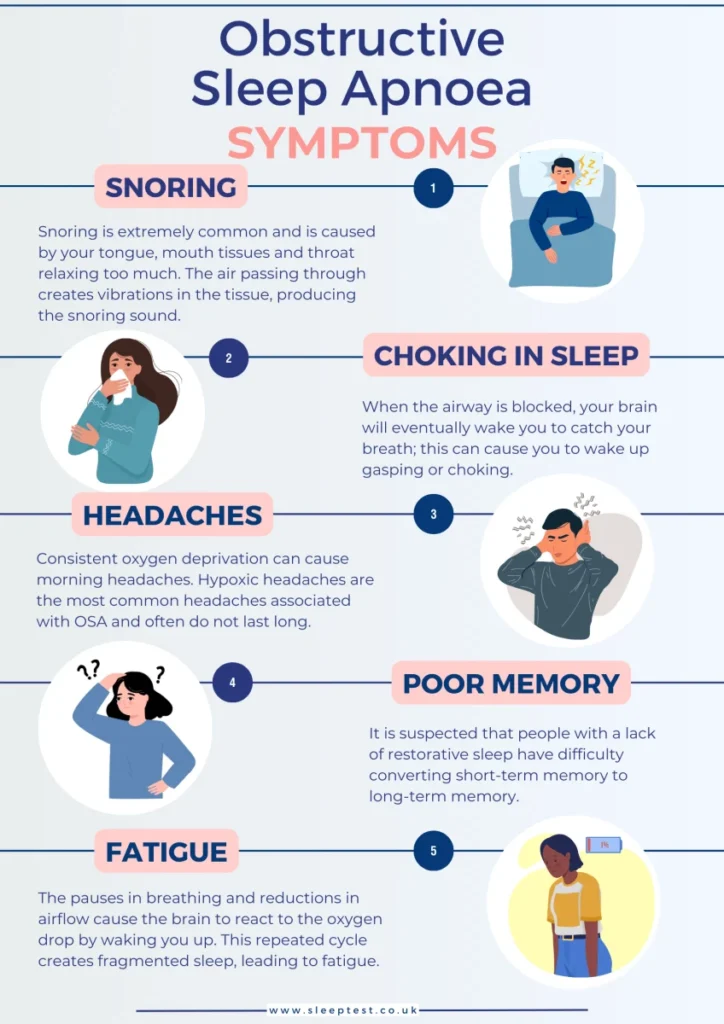
Snoring is a common problem that affects millions of people around the world. Not only does it disrupt the sleep of the snorer, but it can also cause sleep disturbances for their partners and family members. While some people may view snoring as a minor annoyance, it can actually be a symptom of a more serious condition known as sleep apnea. This condition is characterized by pauses in breathing during sleep, which can lead to a variety of health issues if left untreated.
Fortunately, there are solutions available for those who suffer from snoring and sleep apnea. One of the most effective and non-invasive options is the use of mouthguards. In this blog post, we will explore the role of mouthguards in saying goodbye to snoring and hello to restful sleep.
What are Mouthguards?
Mouthguards, also known as oral appliances, are devices that are worn in the mouth during sleep. They are designed to keep the airway open and prevent the collapse of soft tissues in the back of the throat, which is a common cause of snoring and sleep apnea. There are various types of mouthguards available, including mandibular advancement devices (MADs) and tongue retaining devices (TRDs). These devices work by repositioning the jaw and tongue to allow for better airflow and reduce snoring.
Effectiveness of Mouthguards for Snoring and Sleep Apnea
Multiple studies have shown the effectiveness of mouthguards in reducing snoring and treating mild to moderate sleep apnea. In fact, the American Academy of Sleep Medicine recommends the use of oral appliances as a first-line treatment for patients with mild to moderate sleep apnea who cannot tolerate continuous positive airway pressure (CPAP) therapy. Mouthguards have also been found to improve daytime sleepiness and overall quality of life for sleep apnea patients.
Benefits of Using Mouthguards
1. Non-Invasive and Comfortable: Unlike other treatments for snoring and sleep apnea, such as surgery or CPAP therapy, mouthguards are non-invasive and comfortable to wear. They are custom-made to fit the individual’s mouth, making them more comfortable than over-the-counter options.
2. Portable and Easy to Use: Mouthguards are small and easy to use, making them a convenient option for those who travel frequently. They also do not require any additional equipment, making them a hassle-free solution.
3. Cost-Effective: Mouthguards are a more affordable option compared to surgery or CPAP therapy. They also do not require any ongoing expenses, making them a cost-effective long-term solution.
Say Goodbye to Snoring and Hello to Restful Sleep: The Role of Mouthguards
4. Improves Overall Health: By reducing snoring and treating sleep apnea, mouthguards can lead to improved overall health. Sleep apnea has been linked to various health issues, including high blood pressure, heart disease, and stroke. By improving sleep quality, mouthguards can help prevent these health problems.
How to Get a Mouthguard
The first step in getting a mouthguard is to consult with a dentist or sleep specialist. They will evaluate your symptoms and determine if a mouthguard is the right treatment option for you. If so, they will take impressions of your teeth to create a custom-fit mouthguard. It is essential to get a custom-made mouthguard rather than using over-the-counter options, as they may not fit properly and may not be as effective.
Tips for Using Mouthguards
1. Follow Instructions: It is essential to follow the instructions provided by your dentist or sleep specialist for wearing and cleaning your mouthguard. This will ensure its effectiveness and longevity.
2. Give it Time: It may take some time to get used to wearing a mouthguard while sleeping. It is normal to experience some discomfort initially, but it should subside with time.
3. Keep it Clean: It is crucial to clean your mouthguard regularly to prevent bacteria buildup. Follow the cleaning instructions provided by your dentist or sleep specialist.
4. Check for Wear and Tear: Over time, mouthguards may become worn out and less effective. It is important to regularly check for any signs of wear and tear and replace the mouthguard if needed.
In conclusion, snoring and sleep apnea can have a significant impact on one’s quality of life and overall health. Mouthguards offer an effective, non-invasive, and convenient solution for these sleep disorders. By following the tips mentioned above and consulting with a dental or sleep specialist, you can say goodbye to snoring and hello to restful sleep with the help of mouthguards.
Summary:
Snoring and sleep apnea are common sleep disorders that can have a significant impact on one’s quality of life and overall health. Mouthguards, also known as oral appliances, are a non-invasive and effective solution for reducing snoring and treating mild to moderate sleep apnea. They work by keeping the airway open during sleep and improving airflow. Mouthguards are comfortable, portable, cost-effective, and can lead to improved overall health. It is essential to consult with a dentist or sleep specialist to get a custom-made mouthguard and follow their instructions for optimal results.