
Blog Post Title: Say Goodbye to Snoring: How Allergies Can Be the Culprit
Summary:
Snoring is a common problem that affects millions of people worldwide, causing sleep disturbances and even relationship issues. While there are various reasons for snoring, one culprit that often gets overlooked is allergies. Allergies can cause inflammation and congestion in the nose and throat, leading to snoring. In this blog post, we will explore the link between allergies and snoring and how you can say goodbye to snoring by addressing your allergies.
Firstly, we will dive into the basics of allergies, including what they are and how they can affect your body. Allergies occur when your immune system overreacts to a harmless substance, such as pollen, dust, or pet dander. This reaction causes symptoms such as sneezing, coughing, and congestion. When allergies affect the nose and throat, they can lead to snoring.
Next, we will discuss the connection between allergies and snoring. Allergies can cause inflammation and irritation in the nasal passages, leading to congestion. When the nasal passages are blocked, it can be challenging to breathe through the nose, causing people to breathe through their mouth. Breathing through the mouth can lead to the vibration of the soft tissues in the back of the throat, causing the snoring sound. Additionally, allergies can also cause swelling in the throat, making the airway narrower, and leading to snoring.
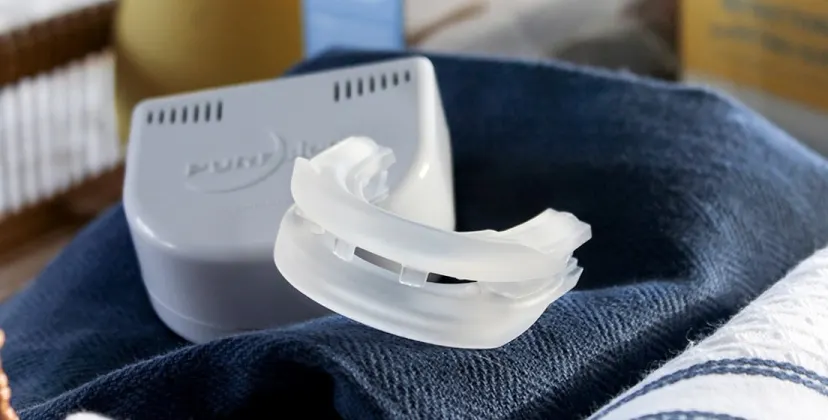
Say Goodbye to Snoring: How Allergies Can Be the Culprit
One of the most common allergies that can contribute to snoring is allergic rhinitis, also known as hay fever. Hay fever is an allergic reaction to pollen, causing symptoms such as sneezing, congestion, and itchy eyes. When hay fever affects the nasal passages, it can lead to snoring. Other allergies that can cause snoring include pet allergies, dust allergies, and mold allergies.
Now that we understand the link between allergies and snoring let’s explore some ways to say goodbye to snoring caused by allergies. The first step is to identify the allergen that is causing your allergies. This can be done through allergy testing, which can help you determine the specific substances that trigger your allergies. Once you know your triggers, you can take steps to avoid them, such as using air purifiers, keeping pets out of the bedroom, and regularly cleaning your house to reduce dust and mold.
Another way to say goodbye to snoring is by managing your allergies with medication. Over-the-counter antihistamines can help reduce allergy symptoms, including snoring. Nasal sprays can also be effective in reducing inflammation in the nasal passages, making it easier to breathe through the nose. However, it is essential to consult with a doctor before taking any medication for allergies, as they can have side effects and may not be suitable for everyone.
In addition to avoiding allergens and managing allergies with medication, there are also some natural remedies that can help reduce snoring caused by allergies. One effective way is to use a saline nasal rinse or a neti pot to flush out any allergens that may be trapped in the nasal passages. Steam inhalation can also help reduce congestion and inflammation in the nose and throat. Additionally, using a humidifier in your bedroom can help keep the air moist and reduce congestion.
Finally, for those with severe allergies that cannot be managed with avoidance or medication, allergy shots may be an option. Allergy shots, also known as immunotherapy, work by gradually exposing the body to small amounts of the allergen, helping the immune system build tolerance and reduce the allergic reaction. This can ultimately help reduce snoring caused by allergies.
In conclusion, snoring can be a nuisance and can affect both your sleep quality and your relationships. While there are various reasons for snoring, allergies can often play a significant role. By understanding the link between allergies and snoring and taking steps to manage them, you can say goodbye to snoring caused by allergies and enjoy a peaceful and restful sleep.