
Say Goodbye to Snoring: How Positional Therapy Can Help
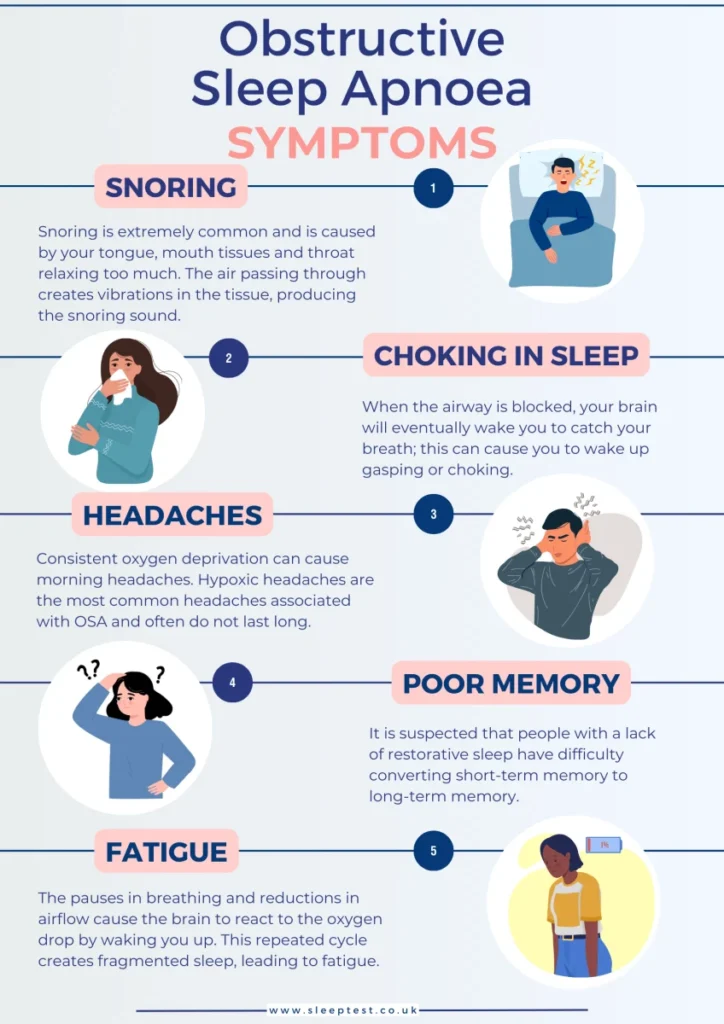
Snoring is a common problem that affects millions of people worldwide. It not only disrupts the sleep of the snorer, but also their partner and anyone else sharing a room with them. Snoring can also be a sign of a more serious underlying health issue, such as sleep apnea. However, there is hope for those who suffer from snoring – positional therapy. In this blog post, we will delve into what positional therapy is, how it works, and its effectiveness in treating snoring. Say goodbye to snoring and hello to a peaceful night’s sleep with positional therapy.
What is positional therapy?
Positional therapy is a non-invasive treatment method for snoring that focuses on changing the sleeping position of the snorer. It aims to keep the airway open and prevent the soft tissues in the throat from obstructing the air flow, which causes snoring. This therapy can be done in various ways, such as using specialized pillows, wearing a device that prevents sleeping on the back, or even using a tennis ball sewn into the back of a shirt to discourage back sleeping.
How does it work?
Positional therapy works by encouraging the snorer to sleep on their side or stomach, rather than on their back. When a person sleeps on their back, the tongue and soft tissues in the throat are more likely to collapse and block the airway, causing snoring. Sleeping on the side or stomach allows for better air flow and reduces the likelihood of snoring. Positional therapy devices or methods help to keep the snorer in the desired position throughout the night, promoting uninterrupted sleep for both the snorer and their partner.
Effectiveness of positional therapy
According to studies, positional therapy has been found to be an effective treatment for snoring. In fact, a study published in the Journal of Clinical Sleep Medicine found that positional therapy reduced snoring in 70% of participants. Another study published in the journal Sleep Medicine Reviews showed that positional therapy was as effective as continuous positive airway pressure (CPAP) therapy in reducing snoring. This is significant as CPAP therapy is considered the gold standard for treating snoring and sleep apnea.
Say Goodbye to Snoring: How Positional Therapy Can Help
The benefits of positional therapy go beyond just reducing snoring. It can also improve the overall quality of sleep, reduce daytime sleepiness, and decrease the risk of developing sleep apnea. It is a non-invasive and drug-free treatment option, making it a safe and easily accessible choice for those who suffer from snoring.
Tips for using positional therapy
If you are considering trying positional therapy to treat your snoring, here are some tips to keep in mind:
1. Choose the right device: There are various devices available for positional therapy, such as specialized pillows, shirts, and belts. It is important to choose the one that is most comfortable for you and suits your sleeping habits.
2. Be consistent: Consistency is key when it comes to positional therapy. It may take some time for your body to adjust to the new sleeping position, so be patient and stick with it.
3. Combine with other lifestyle changes: Positional therapy may be more effective when combined with other lifestyle changes such as maintaining a healthy weight, avoiding alcohol before bedtime, and quitting smoking.
4. Seek medical advice: If you have severe snoring or suspect you may have sleep apnea, it is important to seek medical advice before starting positional therapy. A doctor can help determine the cause of your snoring and recommend the best treatment plan for you.
In conclusion, snoring can be a nuisance for both the snorer and their partner, but it doesn’t have to be a permanent problem. Positional therapy offers a simple and effective solution for snoring, with the added benefits of improving overall sleep quality and reducing the risk of sleep apnea. With the right device and consistency, you can say goodbye to snoring and hello to a peaceful night’s sleep. So why not give positional therapy a try and see the positive impact it can have on your sleep and overall health?