
Say Goodbye to Snoring: Tips for Better Sleep Hygiene
We all know the struggle of trying to get a good night’s sleep while someone next to us is snoring like a freight train. Not only does it disrupt our own sleep, but it can also lead to serious health issues for the snorer. Luckily, there are ways to say goodbye to snoring and improve our sleep hygiene for a better night’s rest. In this blog post, we will discuss the causes of snoring and provide tips for better sleep hygiene to help you and your loved ones sleep peacefully.
What Causes Snoring?
Snoring occurs when the flow of air through the mouth and nose is obstructed, causing the tissues in the throat to vibrate. This can be caused by a variety of factors, including:
1. Nasal Congestion: Allergies, colds, and sinus infections can cause nasal congestion, making it difficult to breathe through the nose and leading to snoring.
2. Sleep Position: Sleeping on your back can cause the tongue to block the airway, leading to snoring.
3. Obesity: Excess weight can lead to excess tissue in the throat, making it more likely to vibrate and cause snoring.
4. Alcohol Consumption: Alcohol relaxes the muscles in the throat, making it easier for them to vibrate and cause snoring.
5. Sleep Apnea: This is a serious condition where the airway becomes completely blocked during sleep, causing snoring and interrupted breathing.
Tips for Better Sleep Hygiene
1. Keep Your Nasal Passages Clear: If you suffer from allergies or congestion, try using a saline nasal spray or a neti pot to clear your nasal passages before bed.
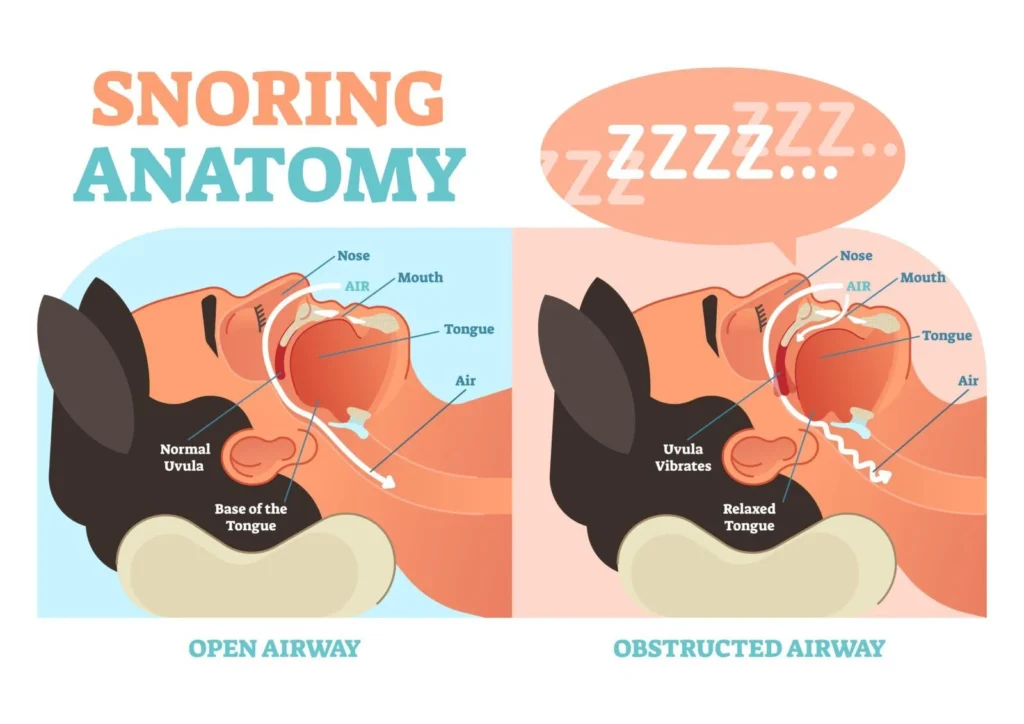
Say Goodbye to Snoring: Tips for Better Sleep Hygiene
2. Change Your Sleep Position: Sleeping on your side can help prevent the tongue from blocking the airway and reduce snoring.
3. Maintain a Healthy Weight: Losing excess weight can reduce the amount of excess tissue in the throat and decrease the likelihood of snoring.
4. Limit Alcohol Consumption: Avoiding alcohol before bedtime can help prevent the muscles in the throat from relaxing and causing snoring.
5. Treat Sleep Apnea: If you suspect you have sleep apnea, it is important to seek medical treatment to reduce snoring and improve your overall health.
6. Use a Humidifier: Dry air can irritate the throat and lead to snoring. Using a humidifier can help keep the air moist and reduce snoring.
7. Practice Good Sleep Habits: Establishing a regular sleep schedule and creating a comfortable sleep environment can help promote better sleep and reduce snoring.
8. Try Anti-Snoring Devices: There are a variety of devices on the market designed to help reduce snoring, such as nasal strips, mouthpieces, and chin straps.
9. Seek Medical Advice: If snoring persists despite trying these tips, it may be a sign of a more serious underlying issue. It is important to seek medical advice for proper diagnosis and treatment.
Say Goodbye to Snoring and Hello to Better Sleep
By following these tips for better sleep hygiene, you can say goodbye to snoring and improve the quality of your sleep. Not only will this benefit your own health, but it will also improve the sleep of those around you. Remember, good sleep hygiene is crucial for overall health and well-being, so don’t let snoring get in the way of a good night’s rest.
SEO Metadata: