
Say Goodnight to Sleep Apnea: Natural Remedies That Work
Sleep apnea is a common sleep disorder in which a person stops breathing for short periods of time while they are asleep. This can happen multiple times throughout the night, causing disruptions in sleep patterns and leading to serious health issues. While there are traditional treatment options available, such as continuous positive airway pressure (CPAP) machines, many people are turning to natural remedies to help manage their sleep apnea. In this blog post, we will discuss some of the most effective natural remedies for sleep apnea and how they can improve your quality of sleep.
1. Weight Loss
One of the leading causes of sleep apnea is excess weight, particularly in the neck and throat area. When a person is overweight, it can lead to narrowing of the airway, making it more difficult to breathe while sleeping. Losing weight can help to reduce the severity of sleep apnea and may even eliminate it altogether. Studies have shown that even a modest weight loss of 10% can significantly improve symptoms of sleep apnea.
2. Exercise
Regular exercise has numerous benefits for overall health, including improved sleep quality. In the case of sleep apnea, exercise can help to strengthen the muscles in the throat and improve breathing during sleep. It can also aid in weight loss, which as mentioned earlier, can help to reduce sleep apnea symptoms. Incorporating aerobic exercises, such as running or cycling, as well as strength training, can be beneficial for managing sleep apnea.
3. Positional Therapy
For some individuals, sleep apnea is worse when they sleep on their back. This is because when lying on the back, gravity can cause the tongue to fall back and block the airway. Positional therapy involves using devices, such as pillows or belts, to keep the individual sleeping on their side. This can help to keep the airway open and reduce the occurrence of sleep apnea episodes.
4. Herbal Remedies
There are several herbal remedies that have been found to be effective in managing sleep apnea. One of the most commonly used is valerian root, which has a calming effect and can help to improve sleep quality. Chamomile tea, passionflower, and lavender have also been shown to have similar effects. It is important to consult with a healthcare professional before incorporating any herbal remedies, as they may interact with other medications.
Say Goodnight to Sleep Apnea: Natural Remedies That Work
5. Essential Oils
Aromatherapy with essential oils has been found to be helpful in reducing sleep apnea symptoms. Oils such as peppermint, eucalyptus, and lavender can be used in a diffuser or added to a warm bath before bedtime. These oils have anti-inflammatory and calming properties, which can help to relax the muscles in the throat and improve breathing.
6. Acupuncture
Acupuncture is an ancient Chinese practice that involves inserting thin needles into specific points on the body. It has been found to be effective in managing a variety of health conditions, including sleep apnea. Acupuncture can help to stimulate the muscles of the throat, promoting better breathing during sleep. It can also help to reduce stress and promote relaxation, which can improve sleep quality.
7. Oral Appliances
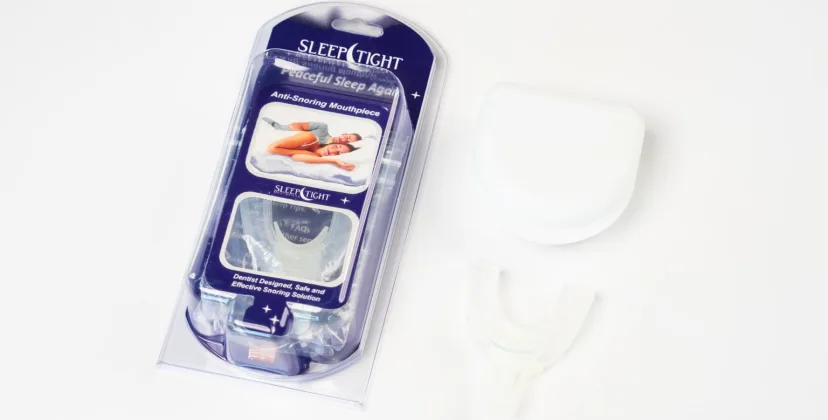
Oral appliances, also known as mouthguards, can be custom-made by a dentist to help keep the airway open during sleep. These devices work by positioning the jaw in a way that prevents the tongue from blocking the airway. They are often used as an alternative to CPAP machines and have been found to be effective in managing sleep apnea.
8. Yoga and Meditation
Both yoga and meditation have been found to be helpful in reducing sleep apnea symptoms. These practices can help to reduce stress and promote relaxation, which can improve sleep quality. Certain yoga poses, such as the bridge pose, can also help to open up the airway and improve breathing. Incorporating these practices into a daily routine can have significant benefits for managing sleep apnea.
9. Dietary Changes
Certain foods and drinks, such as caffeine, alcohol, and heavy meals, can aggravate sleep apnea symptoms. Avoiding these substances close to bedtime can help to improve sleep quality. Additionally, incorporating foods that are anti-inflammatory, such as fruits, vegetables, and omega-3 rich foods, can help to reduce inflammation in the throat and improve breathing during sleep.
10. Quitting Smoking
Smoking has been linked to numerous health issues, including sleep apnea. The chemicals in cigarettes can inflame the airway and lead to narrowing, making it more difficult to breathe while sleeping. Quitting smoking can significantly improve sleep apnea symptoms and reduce the risk of other health complications.
In conclusion, there are multiple natural remedies available for managing sleep apnea. Incorporating these remedies into a daily routine, along with healthy lifestyle habits, can greatly improve sleep quality and reduce the severity of sleep apnea symptoms. It is important to consult with a healthcare professional before trying any new remedies, and to continue following any prescribed treatments.