
Signs It’s Time to Get a Mouthpiece for Snoring and Deviated Septum
Snoring is a common issue that affects many people, and it can be caused by a variety of factors. One of the most common causes of snoring is a deviated septum, which is when the wall of tissue that separates the nostrils is crooked or off-center. When this happens, it can block the airway and lead to snoring. While snoring may seem like a harmless annoyance, it can actually have serious consequences for your health and well-being. In some cases, snoring can even be a sign of a more serious underlying condition. In this blog post, we will discuss the signs that indicate it’s time to get a mouthpiece for snoring and a deviated septum.
1. Loud and Frequent Snoring
The most obvious sign that you may need a mouthpiece for snoring and a deviated septum is loud and frequent snoring. If your partner or family members complain about your snoring, it’s a good idea to get it checked out by a doctor. Snoring can disrupt your own sleep as well as the sleep of those around you, leading to fatigue and irritability. If your snoring is loud and occurs every night, it’s a clear indication that you may have a deviated septum.
2. Daytime Fatigue
Another sign that you may need a mouthpiece for snoring and a deviated septum is daytime fatigue. Snoring can cause you to wake up frequently throughout the night, which can lead to poor sleep quality and leave you feeling tired and fatigued during the day. This can affect your daily activities and even lead to accidents or injuries. If you consistently feel tired and fatigued despite getting enough hours of sleep, it’s worth looking into whether snoring and a deviated septum may be the underlying cause.
3. Difficulty Breathing Through Your Nose
A deviated septum can also make it difficult to breathe through your nose. This is because the crooked or off-center wall of tissue can block one or both nostrils, making it hard for air to flow through. This can cause you to breathe through your mouth instead, which can lead to snoring. If you find yourself constantly struggling to breathe through your nose, it’s a sign that you may have a deviated septum that requires a mouthpiece.
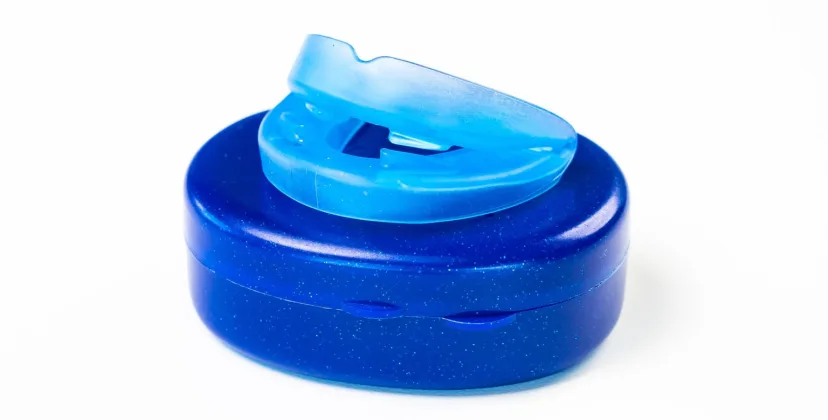
Signs It's Time to Get a Mouthpiece for Snoring and Deviated Septum
4. Waking Up Gasping or Choking
In some cases, snoring can be a sign of a more serious condition called sleep apnea. Sleep apnea is a disorder where a person’s breathing repeatedly stops and starts while they sleep. This can be caused by a blocked airway, which can be a result of a deviated septum. One of the main symptoms of sleep apnea is waking up gasping or choking. If you experience this, it’s important to speak to a doctor about getting a mouthpiece to help with snoring and a deviated septum.
5. Chronic Headaches
Snoring and a deviated septum can also lead to chronic headaches. When your airway is blocked, it can cause you to have to breathe harder and faster to get enough oxygen while you sleep. This can lead to tension headaches in the morning. Additionally, the lack of quality sleep due to snoring can also contribute to headaches and migraines. If you are experiencing frequent headaches and have ruled out other causes, it may be worth checking if snoring and a deviated septum are the culprits.
6. Dental Issues
Snoring can also have an impact on your dental health. The constant vibration of snoring can cause tooth enamel to wear down, leading to sensitivity and other dental issues. Additionally, mouth breathing can cause dry mouth, which can increase the risk of cavities and gum disease. If you notice changes in your dental health, it’s important to investigate whether a mouthpiece for snoring and a deviated septum may be necessary.
7. Relationship Strain
Snoring can also cause strain in your relationships. If your snoring is loud and frequent, it can disrupt the sleep of your partner or family members, leading to frustration and resentment. This can have a negative impact on your relationships and overall well-being. By addressing snoring and a deviated septum with a mouthpiece, you can not only improve your own health but also maintain healthy relationships with your loved ones.
Summary:
Snoring and a deviated septum can have a significant impact on your health and well-being. The signs that it’s time to get a mouthpiece for snoring and a deviated septum include loud and frequent snoring, daytime fatigue, difficulty breathing through your nose, waking up gasping or choking, chronic headaches, dental issues, and relationship strain. By addressing these signs and seeking treatment with a mouthpiece, you can improve your sleep quality, overall health, and relationships.