
Silence is Bliss: How Mouthguards Can Help with Snoring and Sleep Quality
Snoring is a common issue that affects millions of people worldwide. Not only can it disrupt the sleep of the snorer, but it can also lead to frustration and sleepless nights for their partners. While snoring may seem like a minor inconvenience, it can actually have serious effects on one’s overall health and quality of life. Fortunately, there are several treatment options available, including the use of mouthguards. In this blog post, we will explore how mouthguards can help with snoring and improve sleep quality.
Understanding Snoring
Before delving into how mouthguards can help with snoring, it’s important to understand what causes snoring in the first place. Snoring occurs when the tissues in the back of the throat vibrate due to restricted airflow. This can be caused by several factors, including:
1. Obstructed Nasal Airways: If the nasal passages are blocked or narrowed, it can lead to snoring.
2. Poor Muscle Tone: Weak muscles in the throat and tongue can cause them to relax and collapse, leading to snoring.
3. Sleeping Position: Sleeping on one’s back can cause the tongue to fall back and block the airway, resulting in snoring.
4. Alcohol Consumption: Alcohol relaxes the muscles in the throat, making it more likely for snoring to occur.
5. Allergies or Sinus Infections: Inflamed nasal passages can make it difficult to breathe, leading to snoring.
The Effects of Snoring on Sleep Quality
While snoring may seem like a harmless annoyance, it can actually have a significant impact on one’s sleep quality. The vibrations from snoring can cause disruptions in sleep, leading to poor sleep quality and even sleep deprivation. This can result in daytime fatigue, irritability, and difficulty concentrating. In severe cases, snoring can also be a symptom of a more serious sleep disorder called sleep apnea, where breathing repeatedly stops and starts during sleep. This condition can lead to high blood pressure, heart problems, and other health issues.
How Mouthguards Can Help
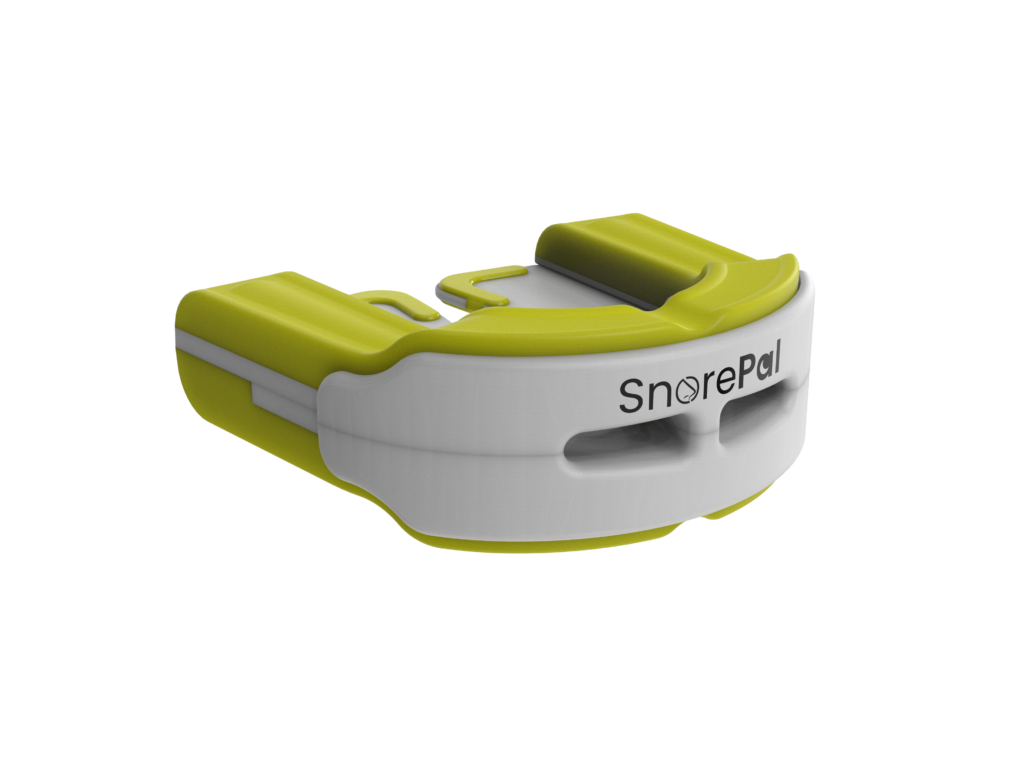
Mouthguards, also known as oral appliances, are custom-made devices that fit over the teeth and are worn during sleep. They work by moving the jaw forward, which helps to keep the airway open and prevent snoring. There are various types of mouthguards available, including over-the-counter options and those prescribed by a dentist. While over-the-counter mouthguards may be more affordable, they may not fit properly and can be uncomfortable to wear. It is recommended to consult with a dentist for a custom-made mouthguard for the best results.
Silence is Bliss: How Mouthguards Can Help with Snoring and Sleep Quality
Benefits of Using Mouthguards for Snoring
1. Improved Sleep Quality: By preventing snoring, mouthguards can help improve sleep quality, allowing for a more restful and rejuvenating night’s sleep.
2. Reduced Daytime Fatigue: With better sleep, there will be less daytime fatigue, leading to increased energy levels and improved productivity.
3. Better Breathing: Mouthguards can also help with breathing during sleep by keeping the airway open, which can be beneficial for those with allergies or sinus issues.
4. Affordable and Non-Invasive: Compared to other treatments for snoring, such as surgery or continuous positive airway pressure (CPAP) machines, mouthguards are a more affordable and non-invasive option.
5. Easy to Use: Mouthguards are easy to use and do not require any special maintenance, making them a convenient solution for snoring.
Other Tips for Reducing Snoring
In addition to using mouthguards, there are other lifestyle changes that can help reduce snoring and improve sleep quality:
1. Maintain a Healthy Weight: Excess weight can contribute to snoring by putting pressure on the airway. Maintaining a healthy weight can help reduce snoring and improve overall health.
2. Avoid Alcohol: As mentioned earlier, alcohol can relax the muscles in the throat, making snoring more likely. Limiting or avoiding alcohol consumption can help reduce snoring.
3. Change Sleeping Position: Sleeping on one’s back can cause the tongue to fall back and block the airway, leading to snoring. Sleeping on one’s side can help prevent this.
4. Keep Nasal Passages Clear: If allergies or sinus issues are causing snoring, it’s important to keep the nasal passages clear. This can be done by using a saline nasal spray or a neti pot.
5. Quit Smoking: Smoking can irritate the tissues in the throat and lead to snoring. Quitting smoking can not only reduce snoring but also improve overall health.
In summary, snoring is a common issue that can have a significant impact on one’s sleep quality and overall health. Mouthguards are a simple and effective solution for reducing snoring and improving sleep quality. By using mouthguards and making lifestyle changes, individuals can experience the blissful silence of a snore-free night’s sleep.