
Silencing the Snore: Managing Snoring and Deviated Septums with a Mouthpiece
Snoring is a common problem that affects millions of people worldwide, causing not only disruptions in sleep but also strain on relationships. While snoring may seem like a minor annoyance, it can actually be a sign of a more serious underlying issue, such as a deviated septum. Fortunately, there are solutions available to help manage snoring and deviated septums, such as using a mouthpiece.
What is Snoring?
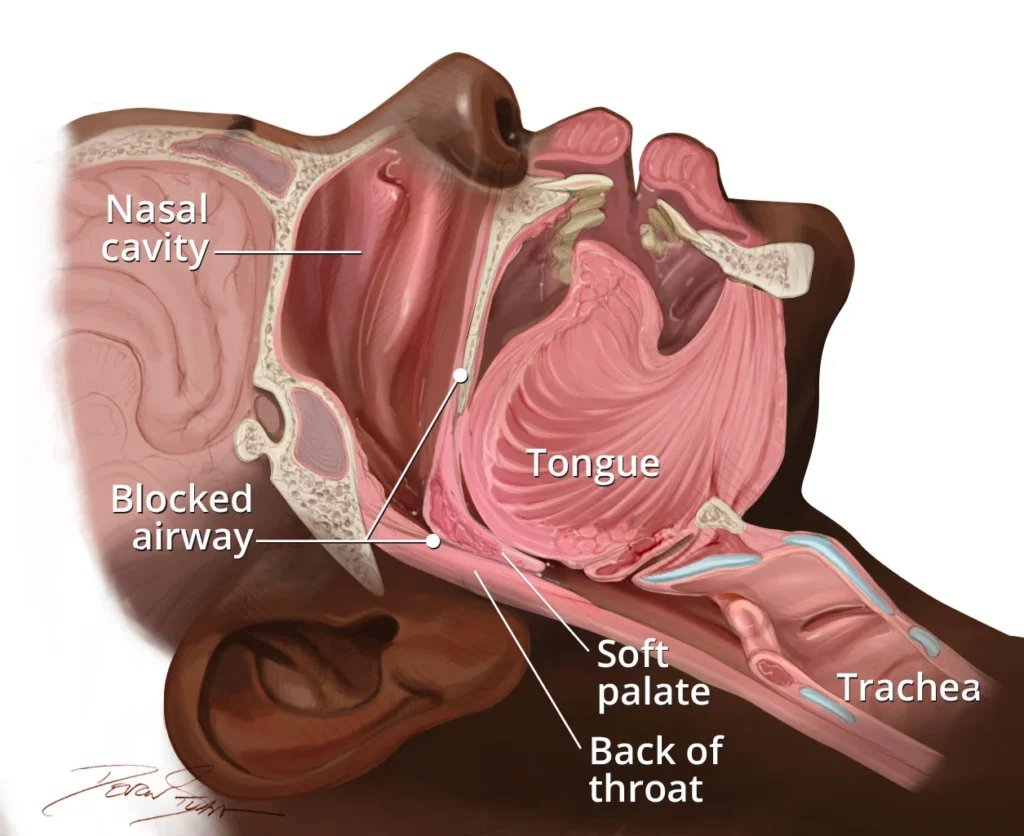
Snoring occurs when the airway is partially blocked, causing vibrations in the throat tissues as air passes through. This can be due to various factors, such as excess weight, alcohol consumption, allergies, or even genetics. Snoring can range from soft, gentle sounds to loud, disruptive ones that can disturb both the snorer and their partner’s sleep. In some cases, snoring can be a sign of a more serious condition, such as sleep apnea, which requires medical attention.
What is a Deviated Septum?
A deviated septum is a condition in which the thin wall (or septum) between the nostrils is not straight, causing one nostril to be larger than the other. This can lead to difficulty breathing through the nose, increased risk of sinus infections, and in some cases, snoring. A deviated septum can be present from birth or can be caused by an injury to the nose.
How Can a Mouthpiece Help?
A mouthpiece, also known as an oral appliance, is a custom-made device that fits in the mouth and helps to keep the airway open during sleep. There are two types of mouthpieces: mandibular advancement devices (MADs) and tongue retaining devices (TRDs).
MADs work by holding the jaw in a slightly forward position, which helps to keep the airway open and prevent the soft tissues in the throat from collapsing and causing snoring. TRDs, on the other hand, work by holding the tongue in place, preventing it from falling back and blocking the airway.
Mouthpieces are often recommended for snorers who have a deviated septum, as they can help improve breathing through the nose and reduce snoring. They can also be used for those with mild to moderate sleep apnea, as they can help keep the airway open and prevent pauses in breathing during sleep.
Silencing the Snore: Managing Snoring and Deviated Septums with a Mouthpiece
How to Get a Mouthpiece
If you suspect that you have a deviated septum or if you or your partner are struggling with snoring, it is important to consult with a healthcare professional. They can assess your condition and determine if a mouthpiece is a suitable solution for you.
Once you have been diagnosed with a deviated septum or snoring, you can either get a mouthpiece through a dentist or an online retailer. For a custom-made mouthpiece, a dentist will take impressions of your teeth and create a device that is tailored to your mouth. This can be a more expensive option but may provide a better fit and more effective results.
Alternatively, you can purchase a boil-and-bite mouthpiece online, which allows you to customize the fit of the device by boiling it in hot water and then biting down on it to create an impression. While this option may be more affordable, it may not be as effective as a custom-made device.
Tips for Using a Mouthpiece
– It is important to follow the instructions provided by your dentist or the manufacturer when using a mouthpiece.
– It may take some time to get used to wearing a mouthpiece while sleeping, so be patient and give yourself time to adjust.
– Keep your mouthpiece clean by brushing it with toothpaste and rinsing it with water before and after each use.
– Replace your mouthpiece every 6-12 months or as recommended by your dentist or the manufacturer.
Other Ways to Manage Snoring and Deviated Septums
In addition to using a mouthpiece, there are other lifestyle changes and treatments that can help manage snoring and deviated septums. These include:
– Losing weight: Excess weight can contribute to snoring and a deviated septum, so maintaining a healthy weight may help reduce snoring and improve breathing.
– Sleeping on your side: Sleeping on your back can cause the tongue and soft tissues in the throat to fall back and block the airway, so try sleeping on your side to keep the airway open.
– Nasal strips: These adhesive strips can help open up the nasal passages and improve breathing, which may reduce snoring.
– Nasal decongestants: If allergies or a stuffy nose are contributing to snoring, using a nasal decongestant may help open up the airway and improve breathing.
– Surgery: In severe cases, a deviated septum may require surgery, known as a septoplasty, to straighten the nasal septum and improve breathing.
In conclusion, snoring and deviated septums can be managed with the use of a mouthpiece, along with other lifestyle changes and treatments. If you or your partner are struggling with snoring or suspect a deviated septum, consult with a healthcare professional to determine the best course of action. With the right treatment, you can enjoy a good night’s sleep and improve your overall health and well-being.