
Silencing the Snores: The Effectiveness of Airway Expansion in Snoring Mouthpieces
Snoring is a common problem that affects millions of people worldwide. Not only can it disrupt the sleep of the person snoring, but it can also disturb the sleep of their partners and even family members in nearby rooms. While there are various causes of snoring, one of the most common is the narrowing of the airway during sleep. This can be caused by factors such as obesity, aging, or poor muscle tone in the throat. To combat snoring, many people turn to snoring mouthpieces that claim to expand the airway and reduce snoring. But do these devices actually work? In this blog post, we will explore the effectiveness of airway expansion in snoring mouthpieces.
What are Snoring Mouthpieces?
Snoring mouthpieces, also known as mandibular advancement devices, are oral appliances that are worn during sleep to help reduce snoring. They work by holding the jaw in a forward position, which helps to keep the airway open and prevent the soft tissues in the throat from collapsing and causing snoring. There are two main types of snoring mouthpieces: mandibular advancement devices (MADs) and tongue retaining devices (TRDs). MADs are the most common and are designed to hold the lower jaw and tongue in a forward position, while TRDs hold the tongue in place to prevent it from falling back and obstructing the airway.
Effectiveness of Airway Expansion in Snoring Mouthpieces
There have been numerous studies conducted on the effectiveness of snoring mouthpieces in reducing snoring. One study published in the Journal of Dental Sleep Medicine found that MADs were effective in reducing snoring in 84% of patients. Another study published in the Journal of Clinical Sleep Medicine found that TRDs were effective in reducing snoring in 70% of patients. These studies show that both types of mouthpieces can be effective in reducing snoring by expanding the airway.
Benefits of Airway Expansion in Snoring Mouthpieces
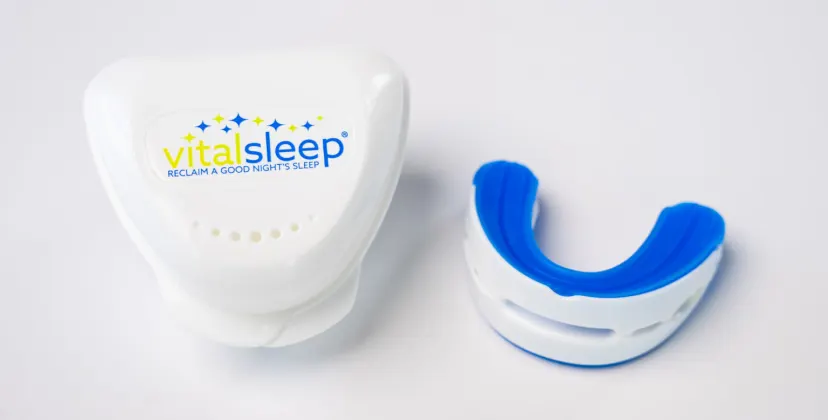
Silencing the Snores: The Effectiveness of Airway Expansion in Snoring Mouthpieces
Aside from reducing snoring, there are other benefits of airway expansion in snoring mouthpieces. These include improved sleep quality for both the snorer and their partner, reduced daytime sleepiness, and improved overall health. Snoring can be a sign of a more serious sleep disorder called obstructive sleep apnea (OSA). OSA is characterized by pauses in breathing during sleep and can lead to serious health issues such as high blood pressure, heart disease, and stroke. By reducing snoring and opening up the airway, snoring mouthpieces can help to alleviate symptoms of OSA and improve overall health.
Choosing the Right Snoring Mouthpiece
With so many snoring mouthpieces on the market, it can be overwhelming to choose the right one. It is important to consult with a dentist or sleep specialist before purchasing a snoring mouthpiece. They can assess the cause of your snoring and recommend the best type of device for you. Additionally, it is essential to select a mouthpiece that is comfortable and fits properly in your mouth. Ill-fitting mouthpieces can cause jaw pain, tooth movement, and other issues.
Possible Side Effects of Snoring Mouthpieces
While snoring mouthpieces can be effective in reducing snoring, they may also come with some side effects. These can include jaw pain, tooth movement, excessive salivation, dry mouth, and temporary bite changes. It is crucial to consult with a dentist if you experience any of these side effects while using a snoring mouthpiece.
In conclusion, snoring mouthpieces can be an effective solution for those who suffer from snoring. By expanding the airway and keeping the throat tissues from collapsing, these devices can help reduce snoring and improve sleep quality. However, it is important to consult with a professional and choose a properly fitting device to avoid potential side effects. With the right snoring mouthpiece, you can finally silence those snores and get a good night’s sleep.
SEO Metadata: