
Silent Nights Ahead: Managing Snoring Caused by Deviated Septum
Do you or your partner suffer from loud, disruptive snoring? Does it affect your quality of sleep and cause tension in your relationship? You may have a deviated septum, a common condition where the nasal septum, the thin wall between the nostrils, is crooked or off-centered. While it may seem like a minor issue, a deviated septum can actually lead to a variety of health problems, including chronic snoring. In this blog post, we will explore the causes, symptoms, and treatment options for snoring caused by a deviated septum, so you can finally enjoy quiet and restful nights ahead.
What is a Deviated Septum?
To understand how a deviated septum can cause snoring, it’s important to first understand what a septum is and its function in the body. The nasal septum is the thin cartilage and bone structure that separates the two nostrils. Its main role is to support the nose and direct airflow through the nasal passages. In a healthy individual, the septum is straight and centered, allowing for easy breathing. However, in some cases, the septum can be crooked or deviated, which can lead to a variety of issues.
Causes of a Deviated Septum
A deviated septum can be present from birth, or it can be caused by an injury or trauma to the nose. Common causes of a deviated septum include:
– Congenital: Some individuals are born with a deviated septum, which can be due to genetics or abnormal development in the womb.
– Trauma: A broken nose or other injury to the nose can cause the septum to become deviated.
– Aging: As we age, the cartilage in our nose can weaken, causing the septum to shift and become deviated.
Symptoms of a Deviated Septum
While some people with a deviated septum may not experience any symptoms, others may have a range of issues. The most common symptoms of a deviated septum include:
– Difficulty breathing through the nose
– Chronic snoring
– Recurring sinus infections
– Facial pain
– Headaches
– Postnasal drip
– Nosebleeds
– Sleeping with the mouth open
– Dry mouth in the morning
Snoring Caused by Deviated Septum
One of the most common issues caused by a deviated septum is snoring. When the septum is crooked, it can obstruct one or both nostrils, making it difficult to breathe through the nose. This can lead to mouth breathing, which can cause the soft tissues in the throat to vibrate, resulting in the loud, disruptive sound we know as snoring. Snoring caused by a deviated septum is often worse when sleeping on your back, as gravity can further obstruct the already narrowed airway.
Silent Nights Ahead: Managing Snoring Caused by Deviated Septum
Treatment Options for Snoring Caused by Deviated Septum
If you suspect that your snoring is caused by a deviated septum, it’s essential to consult with an ear, nose, and throat specialist for a proper diagnosis. They may recommend one of the following treatment options:
1. Nasal Decongestants: Over-the-counter nasal decongestants can help open up the nasal passages and reduce snoring caused by a deviated septum. However, these should not be used long-term as they can cause rebound congestion.
2. Nasal Strips: Nasal strips are adhesive strips that are placed over the bridge of the nose to help open up the nasal passages. While they may provide temporary relief, they are not a long-term solution.
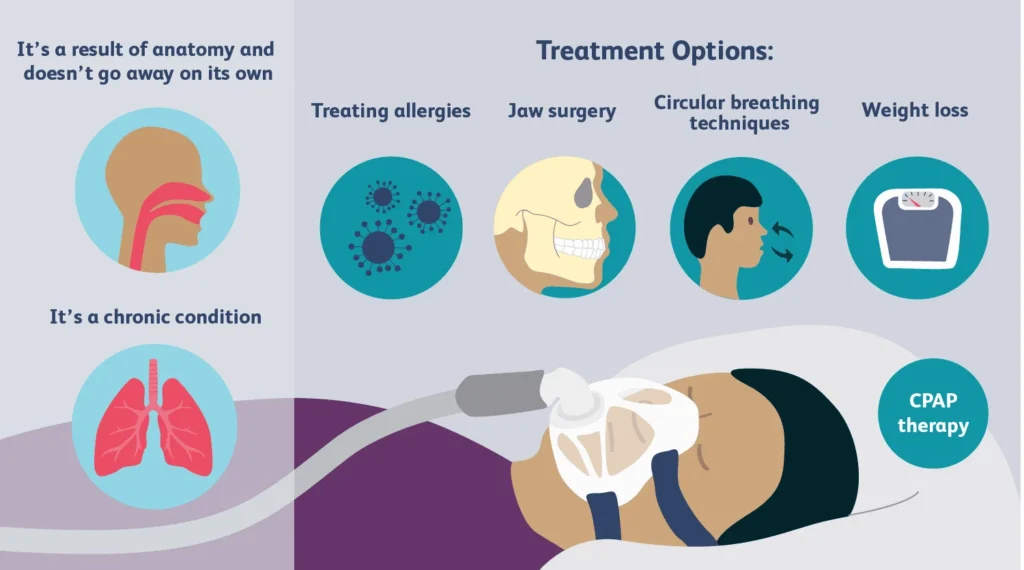
3. Continuous Positive Airway Pressure (CPAP) Machine: For those with severe snoring and sleep apnea, a CPAP machine may be recommended. This device delivers a continuous stream of air through a mask worn over the nose or face, keeping the airway open during sleep.
4. Septoplasty: In cases where the deviated septum is causing significant breathing issues and snoring, a septoplasty may be recommended. This surgical procedure involves straightening the septum and repositioning it in the center of the nose.
5. Balloon Sinuplasty: A less invasive alternative to septoplasty, a balloon sinuplasty uses a small balloon to widen the nasal passages and improve airflow.
Preventing Snoring Caused by Deviated Septum
While treatment options can help manage snoring caused by a deviated septum, there are also steps you can take at home to reduce snoring and improve your quality of sleep. These include:
– Sleeping on your side: Sleeping on your side can help keep the airway open and reduce snoring caused by a deviated septum.
– Elevating your head: Sleeping with your head slightly elevated can also help improve breathing and reduce snoring.
– Keeping the air in your bedroom moist: Dry air can irritate the nasal passages and make breathing more difficult. Using a humidifier in your bedroom can help keep the air moist and reduce snoring.
– Maintaining a healthy weight: Excess weight can put pressure on the airway, making it more difficult to breathe and increasing the risk of snoring.
Say Goodbye to Snoring and Hello to Restful Nights
A deviated septum can be a frustrating and disruptive condition, but it doesn’t have to mean the end of quiet, restful nights. By understanding the causes, symptoms, and treatment options for snoring caused by a deviated septum, you can take control of your sleep and enjoy silent nights ahead.
SEO metadata: