
Silent Nights, Happy Mornings: Tips for a Snore-Free Sleep
We all know the struggle of trying to get a peaceful night’s sleep while our partner or roommate snores like a chainsaw. Not only does it disrupt our own sleep, but it can also lead to frustration and resentment towards the snorer. However, snoring is a common issue that affects millions of people, and it can be managed with the right tips and techniques. In this blog post, we will discuss some effective ways to achieve a snore-free sleep, so you can wake up feeling refreshed and ready to tackle the day.
Tip #1: Change Your Sleeping Position
Believe it or not, the position you sleep in can have a significant impact on your snoring. Sleeping on your back can cause your tongue and soft palate to collapse towards the back of your throat, obstructing your airway and resulting in snoring. To prevent this, try sleeping on your side or using a body pillow to keep you in a side-sleeping position. For those who find it difficult to stay on their side, you can also try elevating your head with an extra pillow to keep your airway open.
Tip #2: Keep Your Nasal Passages Clear
Nasal congestion and allergies can also contribute to snoring. When your nasal passages are blocked, it forces you to breathe through your mouth, which can lead to snoring. To combat this, try using a saline nasal spray or a neti pot to clear out any congestion before bedtime. You can also invest in a humidifier to keep the air moist and prevent your nasal passages from drying out.
Tip #3: Maintain a Healthy Weight
Being overweight or obese can increase your chances of snoring. Excess weight can lead to fat deposits around your neck and throat, which can obstruct your airway and cause snoring. Losing weight through a healthy diet and regular exercise can not only improve your overall health but also reduce your snoring.
Silent Nights, Happy Mornings: Tips for a Snore-Free Sleep
Tip #4: Avoid Alcohol and Sedatives Before Bed
Alcohol and sedatives can relax the muscles in your throat, making it more likely for you to snore. If you’re prone to snoring, it’s best to avoid these substances before bedtime. Instead, opt for a relaxing bedtime routine, such as reading or taking a warm bath, to help you unwind and fall asleep naturally.
Tip #5: Try Anti-Snoring Devices
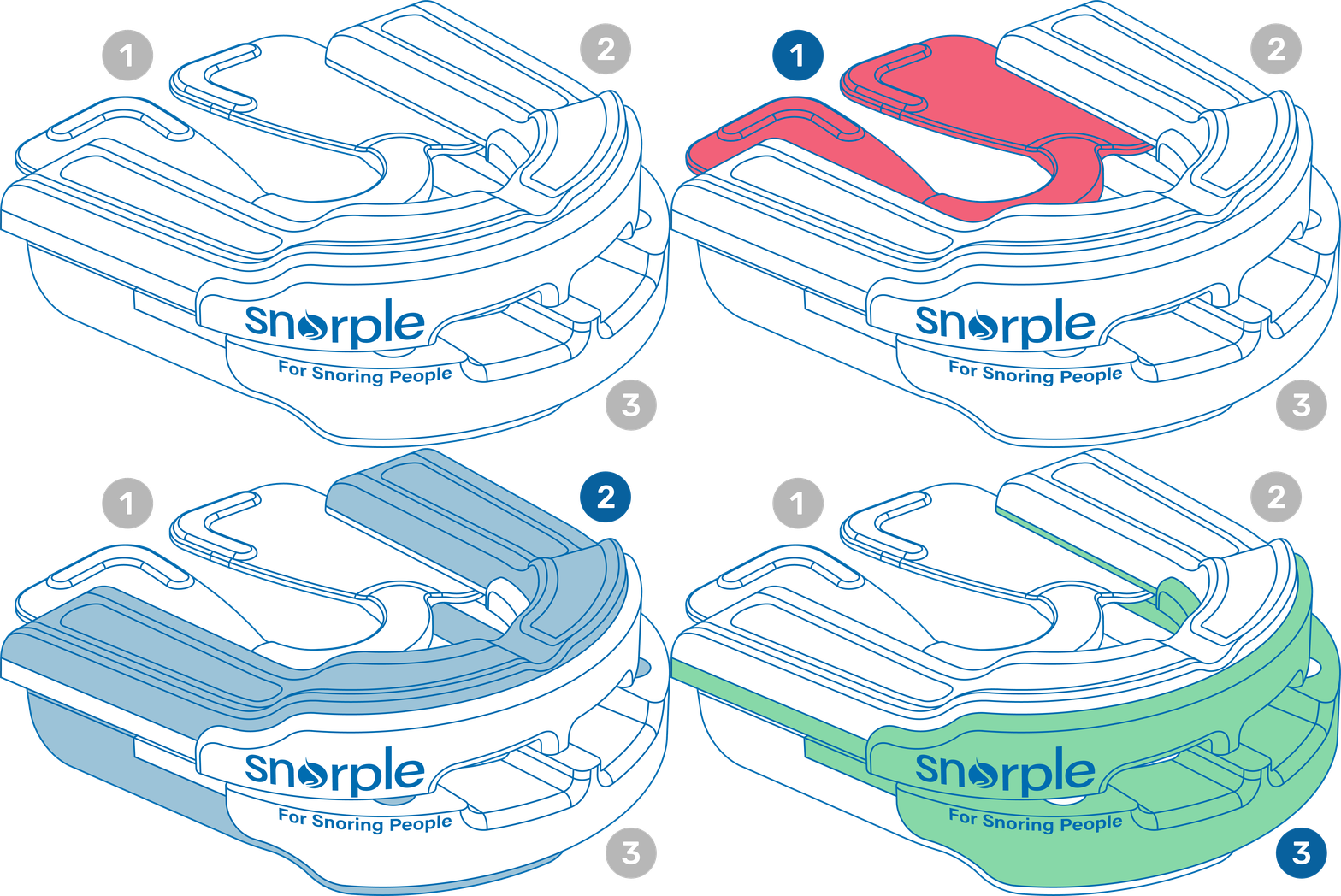
There are various anti-snoring devices available on the market, such as nasal strips, mouthpieces, and chin straps. These devices work by keeping your airway open and preventing your tongue and soft palate from collapsing. It may take some trial and error to find the right device that works for you, but they can be an effective solution for snoring.
Tip #6: Seek Medical Help
If your snoring is severe and affecting your daily life, it’s essential to seek medical help. Your doctor may recommend a sleep study to determine the underlying cause of your snoring and provide appropriate treatment. They may also suggest using a continuous positive airway pressure (CPAP) machine, which delivers a steady stream of air through a mask while you sleep, to keep your airway open.
Tip #7: Practice Good Sleep Hygiene
Lastly, practicing good sleep hygiene can also help reduce snoring. This includes going to bed and waking up at the same time every day, creating a comfortable and relaxing sleep environment, and limiting screen time before bedtime. By following a consistent sleep routine, your body can adjust to a healthy sleep-wake cycle, which can improve the quality of your sleep and reduce snoring.
In conclusion, snoring is a common issue that can affect anyone, but it can be managed with the right techniques and lifestyle changes. By changing your sleeping position, keeping your nasal passages clear, maintaining a healthy weight, avoiding alcohol and sedatives, trying anti-snoring devices, seeking medical help, and practicing good sleep hygiene, you can achieve a snore-free sleep and wake up feeling refreshed and ready to take on the day.