
Silent Solutions: The Best Anti-Snoring Aids for a Quieter Night
Do you or a loved one suffer from snoring? If so, you are not alone. It is estimated that nearly 90 million Americans snore, with 37 million doing so on a regular basis. Snoring not only affects the quality of sleep for the snorer, but it can also disrupt the sleep of their partners or roommates. It can lead to fatigue, irritability, and even strained relationships. But fear not, there are many anti-snoring aids available to help you and your loved ones get a quieter and more restful night’s sleep.
1. Nasal Strips
Nasal strips are a simple and affordable solution for those who snore due to nasal congestion or a deviated septum. These adhesive strips are placed over the nose, gently lifting the nostrils and opening up the nasal passages. This allows for easier breathing and can reduce snoring. Nasal strips are also non-invasive and have no side effects, making them a popular choice for those seeking a quick fix for their snoring.
2. Mouthpieces
Mouthpieces, also known as mandibular advancement devices, are a popular anti-snoring aid for those who snore due to the position of their tongue and jaw. These devices are custom-made to fit the individual’s mouth and work by pushing the lower jaw and tongue forward to open up the airway. This prevents the tongue from falling back and blocking the air passage, reducing snoring. While mouthpieces can be effective, they may take some time to get used to and can cause discomfort for some individuals.
3. Anti-Snoring Pillows
Silent Solutions: The Best Anti-Snoring Aids for a Quieter Night
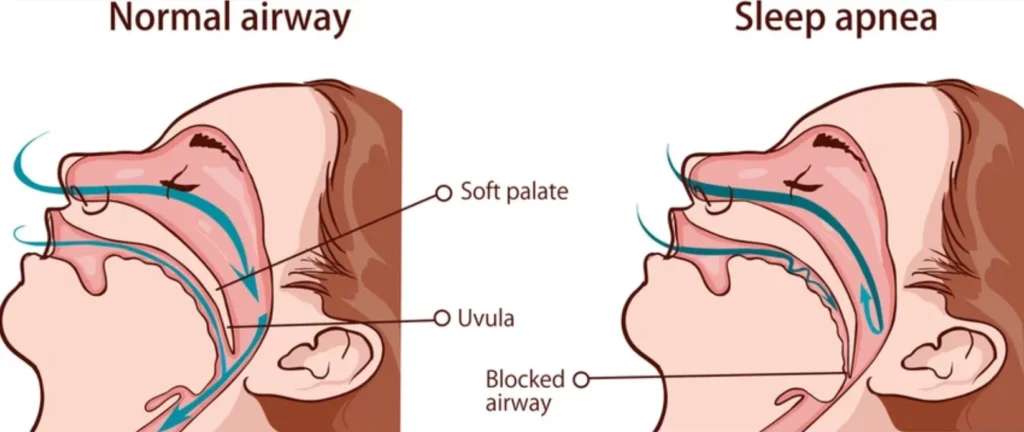
Anti-snoring pillows are designed to promote better sleeping posture and reduce snoring. These pillows have a unique shape and firmness to support the head and neck, keeping the airway open and preventing the tongue from falling back. They can also help with neck and shoulder pain, making them a popular choice for those who snore due to sleep apnea or other respiratory issues. However, anti-snoring pillows may not be as effective for those who snore due to other factors, such as allergies or chronic sinus issues.
4. Essential Oils
For a more natural approach to reducing snoring, essential oils can be a great option. Peppermint, eucalyptus, and lavender oils have anti-inflammatory properties that can help open up the airway and promote better breathing. These oils can be inhaled through a diffuser or diluted and applied topically to the chest and neck. Many people find that using essential oils before bed not only reduces snoring but also helps them relax and sleep better.
5. CPAP Machines
For those with severe snoring or sleep apnea, a CPAP (continuous positive airway pressure) machine may be the best solution. These devices work by delivering a steady stream of air through a mask worn over the nose and mouth, keeping the airway open and preventing snoring. While CPAP machines can be effective, they can also be expensive and may take some time to get used to. It is important to consult with a doctor to determine if a CPAP machine is the right choice for your snoring.
6. Lifestyle Changes
In addition to using anti-snoring aids, making lifestyle changes can also help reduce snoring. Maintaining a healthy weight, avoiding alcohol and heavy meals before bedtime, and quitting smoking can all improve breathing and reduce snoring. Elevating the head of the bed and sleeping on your side rather than your back can also help. These changes may not completely eliminate snoring, but they can make a significant difference.
In conclusion, snoring is a common problem that can have a significant impact on sleep quality and overall health. Fortunately, there are many anti-snoring aids available to help individuals and their partners get a quieter and more restful night’s sleep. From nasal strips and mouthpieces to essential oils and lifestyle changes, finding the right solution may take some trial and error, but it is possible to reduce snoring and improve sleep.