
Blog Post:
Sleep apnea is a common sleep disorder that affects people of all ages, but it becomes more prevalent as we age. It is estimated that around 22 million Americans suffer from sleep apnea, with the majority being seniors. As we get older, our bodies undergo various changes, including in our sleep patterns. Sleep apnea can have a significant impact on the quality of life for seniors, affecting their physical and mental health. In this blog post, we will explore the connection between sleep apnea and aging, its effects on seniors, and how remedies can help.
What is Sleep Apnea?
Before diving into how sleep apnea affects seniors, it is essential to understand what it is. Sleep apnea is a sleep disorder characterized by pauses in breathing or shallow breathing during sleep. These pauses can last from a few seconds to a few minutes and can occur multiple times throughout the night. There are three types of sleep apnea – obstructive sleep apnea, central sleep apnea, and complex sleep apnea syndrome.
Obstructive sleep apnea (OSA) is the most common type and occurs when the muscles in the throat relax, causing the airway to narrow or close. Central sleep apnea (CSA) is less common and happens when the brain fails to send signals to the muscles that control breathing. Complex sleep apnea syndrome (CSAS) is a combination of both OSA and CSA.
How Does Aging Affect Sleep Apnea?
As we age, our body experiences many changes, including in our sleep patterns. Our sleep becomes lighter, and we tend to wake up more frequently during the night. This change can make it harder for seniors to get a good night’s sleep, and when combined with sleep apnea, it can lead to severe consequences.
One of the main reasons for the increased prevalence of sleep apnea in seniors is due to changes in the muscles and tissues in the throat. As we age, these muscles and tissues become weaker, making it easier for the airway to collapse and cause breathing disruptions. Seniors are also more likely to develop other health conditions that can contribute to sleep apnea, such as obesity, heart disease, and diabetes.
Effects of Sleep Apnea on Seniors
Sleep apnea can have a severe impact on the physical and mental health of seniors. Some of the most common effects of sleep apnea in seniors include:
1. Daytime Sleepiness and Fatigue
The frequent interruptions in breathing during the night can cause seniors to wake up feeling tired and groggy. This can lead to excessive daytime sleepiness, making it challenging to stay awake and alert during the day.
2. Increased Risk of Accidents
The lack of quality sleep and daytime sleepiness can increase the risk of accidents, especially for seniors who are still driving. Sleep apnea has been linked to an increased risk of car accidents, workplace accidents, and falls in seniors.
3. Cardiovascular Problems
Sleep apnea can put a strain on the heart, leading to an increased risk of heart disease, high blood pressure, and stroke. The repeated drops in oxygen levels during sleep can also cause damage to the blood vessels, increasing the risk of cardiovascular problems.
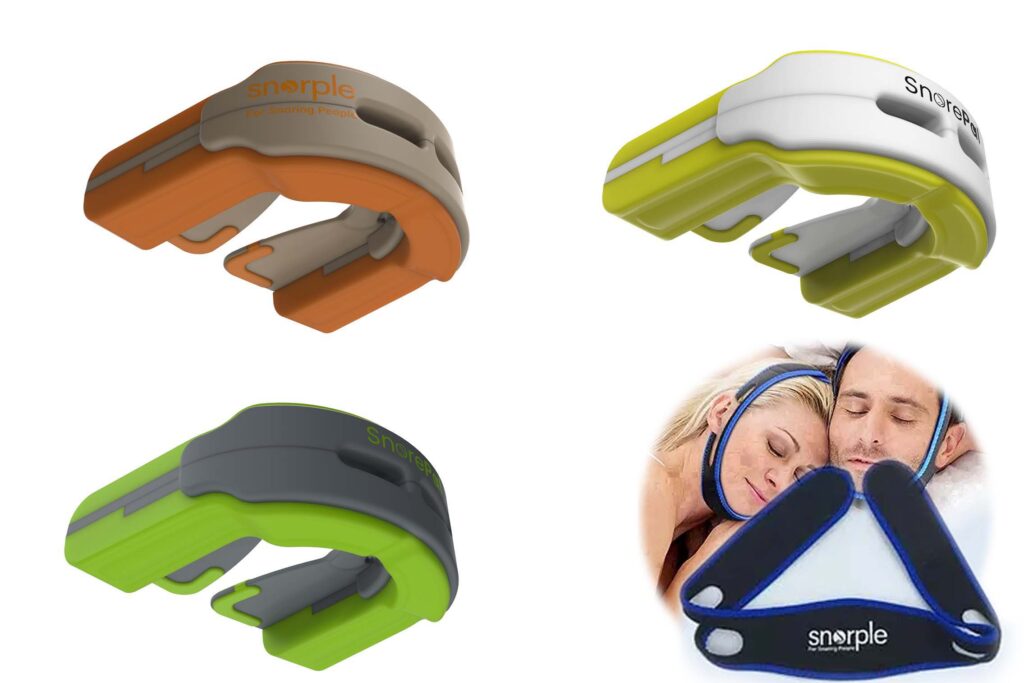
Sleep Apnea and Aging: How Remedies Can Help Seniors
4. Depression and Anxiety
Studies have shown that sleep apnea can contribute to the development of depression and anxiety in seniors. The constant fatigue and lack of restful sleep can take a toll on mental health, leading to mood changes and irritability.
5. Memory and Cognitive Impairment
Sleep is crucial for memory consolidation, and sleep disruptions can have a significant impact on cognitive function. Seniors with sleep apnea may experience memory problems, difficulty concentrating, and an increased risk of developing dementia.
How Remedies Can Help Seniors with Sleep Apnea
While sleep apnea can be a challenging condition to manage, there are various remedies available that can help seniors improve their sleep quality and manage their symptoms.
1. Continuous Positive Airway Pressure (CPAP) Therapy
CPAP therapy is the most common treatment for sleep apnea, and it involves using a machine that delivers a continuous flow of air through a mask worn over the nose or mouth. This keeps the airway open and prevents pauses in breathing during sleep. While CPAP therapy can be challenging for some seniors to adjust to, it is highly effective in managing sleep apnea.
2. Oral Appliances
For seniors who cannot tolerate CPAP therapy, oral appliances may be a suitable alternative. These devices are custom-made to fit in the mouth and help keep the airway open during sleep. They work by holding the jaw in a forward position, preventing the tongue and soft tissues from blocking the airway.
3. Lifestyle Changes
Making certain lifestyle changes can also help manage sleep apnea in seniors. This includes maintaining a healthy weight, avoiding alcohol and sedatives before bedtime, and sleeping on your side instead of your back. Seniors should also establish a consistent bedtime routine and create a comfortable sleep environment.
4. Surgery
In some cases, surgery may be recommended to treat sleep apnea in seniors. This is usually reserved for severe cases or when other treatments have not been successful. Surgical procedures can include removing excess tissue from the throat, correcting a deviated septum, or inserting a breathing tube.
Conclusion
Sleep apnea is a prevalent sleep disorder that affects seniors more than any other age group. It can have a significant impact on their physical and mental health, making it crucial to manage and treat the condition. With the right remedies, seniors can improve their sleep quality, reduce their risk of complications, and enjoy a better quality of life.
In summary, sleep apnea is a common sleep disorder that becomes more prevalent as we age. It can have a severe impact on the physical and mental health of seniors, including excessive daytime sleepiness, increased risk of accidents, cardiovascular problems, depression, and memory impairment. However, remedies such as CPAP therapy, oral appliances, lifestyle changes, and surgery can help manage and improve sleep apnea symptoms in seniors.