
Blog Post Title: Sleep Apnea and Technology: Innovative Remedies to Try
Summary:
Sleep apnea is a common sleep disorder that affects millions of people worldwide. It is characterized by pauses in breathing or shallow breathing during sleep, which can lead to poor sleep quality and various health issues. While traditional treatments for sleep apnea include continuous positive airway pressure (CPAP) machines and oral appliances, advancements in technology have introduced innovative remedies that can help improve the condition. In this blog post, we will discuss some of the latest technology-based remedies for sleep apnea that you can try.
Firstly, let’s talk about positional therapy devices. These devices are designed to help individuals with positional sleep apnea, which occurs when a person’s airway is blocked due to their sleeping position. The most popular type of positional therapy device is a smart pillow, which uses sensors to detect the individual’s sleeping position and gently vibrates to encourage them to change positions, thus preventing airway obstruction.
Another innovative remedy for sleep apnea is the use of hypoglossal nerve stimulation devices. These devices work by stimulating the muscles in the tongue and upper airway to keep them open during sleep. The stimulation is controlled by a small device that is implanted under the skin near the collarbone. This technology has shown promising results in reducing the severity of sleep apnea and improving sleep quality.
Sleep Apnea and Technology: Innovative Remedies to Try
Continuous positive airway pressure (CPAP) machines have long been the go-to treatment for sleep apnea. However, advancements in technology have made them more comfortable and convenient to use. Modern CPAP machines are smaller, quieter, and have features such as heated humidifiers and automatic pressure adjustments, making them more effective in managing sleep apnea.
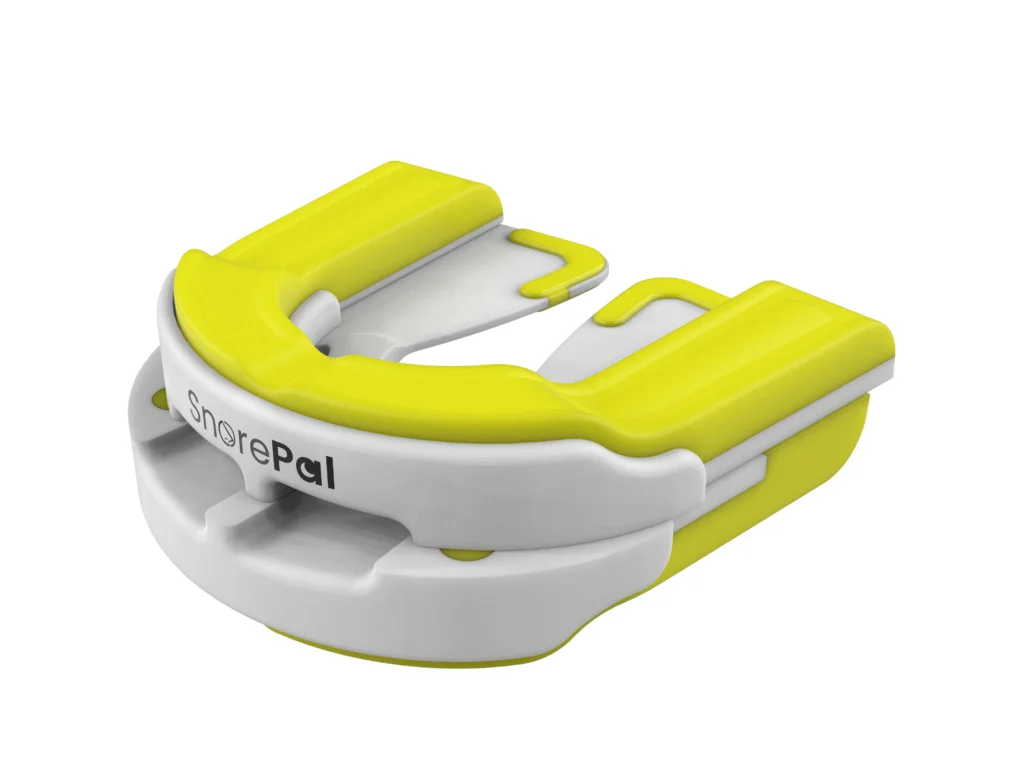
For individuals who have difficulty tolerating CPAP therapy, oral appliances are a popular alternative. These devices are worn in the mouth during sleep and work by keeping the airway open. Recently, there has been a rise in the use of 3D-printed oral appliances, which are customized to fit the individual’s mouth and have been found to be more comfortable and effective than traditional oral appliances.
Aside from these specific devices, there are also various apps and wearable devices that can help individuals with sleep apnea. For example, there are sleep tracking apps that can monitor and analyze your sleep patterns to identify any issues, including sleep apnea. Some wearable devices, such as wristbands and rings, use sensors to track your breathing and detect sleep apnea events, providing valuable data for diagnosis and treatment.
In addition to these technology-based remedies, there are also natural remedies that can help alleviate the symptoms of sleep apnea. These include lifestyle changes such as maintaining a healthy weight, quitting smoking, and avoiding alcohol and sedatives before bedtime. There are also special pillows and mouth exercises that can help improve breathing during sleep.
In conclusion, sleep apnea is a common sleep disorder that can have a significant impact on one’s health and quality of life. While traditional treatments such as CPAP machines and oral appliances are effective, advancements in technology have introduced innovative remedies that can further improve the condition. From smart pillows to hypoglossal nerve stimulation devices, there are various options available for individuals with sleep apnea to try and find the best solution for their unique needs.