
Sleep apnea is a common yet often overlooked sleep disorder that affects millions of people worldwide. It is characterized by pauses in breathing or shallow breathing during sleep, leading to poor sleep quality and daytime fatigue. While it may seem like a minor issue, sleep apnea can have serious consequences, especially in the workplace. In fact, it is often considered the hidden culprit behind poor work performance.
In this blog post, we will explore the impact of sleep apnea on work performance and why it should not be ignored. We will also discuss the signs, symptoms, and treatment options for sleep apnea, as well as tips for managing it in the workplace.
The Impact of Sleep Apnea on Work Performance
Sleep apnea can have a significant impact on work performance in various ways. The most obvious effect is daytime fatigue, which can lead to decreased productivity, difficulty concentrating, and an overall feeling of being unwell. This can be particularly problematic for jobs that require focus and attention, such as driving, operating heavy machinery, or working in healthcare.
Moreover, sleep apnea can also affect mood and behavior, leading to irritability, mood swings, and difficulty getting along with colleagues. This can cause strain in work relationships and impact teamwork and collaboration. Additionally, sleep apnea has been linked to an increased risk of workplace accidents and injuries, further highlighting the importance of addressing this sleep disorder.
Signs and Symptoms of Sleep Apnea
One of the reasons why sleep apnea often goes undiagnosed is because its symptoms can be easily overlooked or attributed to other factors. Some common signs and symptoms of sleep apnea include loud snoring, gasping or choking noises during sleep, frequent nighttime awakenings, and excessive daytime sleepiness.
Other symptoms may include morning headaches, dry mouth, difficulty staying asleep, and frequent urination at night. It is important to note that not everyone with sleep apnea will experience all of these symptoms, and they may vary in severity. However, if you experience any of these symptoms regularly, it is essential to consult a doctor for proper diagnosis and treatment.
Sleep Apnea: The Hidden Culprit of Poor Work Performance
Treatment Options for Sleep Apnea
The good news is that sleep apnea is treatable, and there are various options available depending on the severity and type of sleep apnea. The most common treatment for sleep apnea is Continuous Positive Airway Pressure (CPAP) therapy, which involves wearing a mask over the nose and/or mouth during sleep. The mask is connected to a machine that delivers pressurized air, keeping the airway open and preventing pauses in breathing.
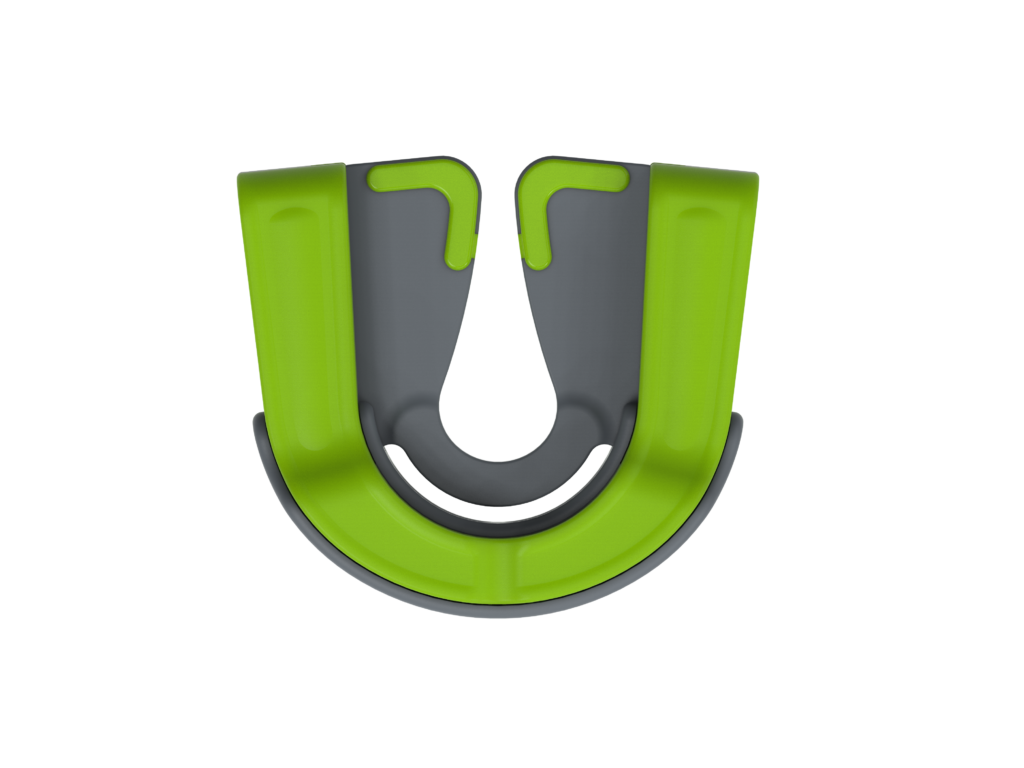
Other treatment options include oral appliances that help keep the airway open, surgery to remove excess tissue in the throat, and lifestyle changes such as weight loss and quitting smoking. It is essential to consult a doctor to determine the best treatment plan for your specific case of sleep apnea.
Managing Sleep Apnea in the Workplace
If you have been diagnosed with sleep apnea, there are steps you can take to manage it in the workplace and improve your work performance. Firstly, it is crucial to adhere to your treatment plan consistently, as this will help improve your sleep quality and reduce daytime fatigue. It is also important to prioritize sleep and establish a regular sleep schedule to ensure you are getting enough rest.
Additionally, making some workplace adjustments can also help manage sleep apnea. For example, if possible, try to schedule your shifts to align with your sleep schedule. If you work in an office, consider setting up a comfortable and quiet space for napping during breaks. You can also inform your colleagues and superiors about your condition, so they can understand and support you.
In some cases, it may be necessary to make accommodations under the Americans with Disabilities Act (ADA). This can include flexible work hours, working from home, or modifying job duties. It is essential to communicate with your employer and provide any necessary documentation from your doctor to request these accommodations.
In conclusion, sleep apnea is a common sleep disorder that can have a significant impact on work performance if left untreated. It is essential to recognize the signs and symptoms of sleep apnea and seek proper diagnosis and treatment. By managing sleep apnea in the workplace and making necessary adjustments, individuals can improve their work performance and overall quality of life.
Summary:
Sleep apnea is a common sleep disorder characterized by pauses in breathing during sleep, leading to poor sleep quality and daytime fatigue. It can have a significant impact on work performance, affecting productivity, mood, and increasing the risk of accidents. Some common signs and symptoms of sleep apnea include loud snoring, daytime sleepiness, and frequent nighttime awakenings. Treatment options include CPAP therapy, oral appliances, surgery, and lifestyle changes. Managing sleep apnea in the workplace involves adhering to treatment plans, prioritizing sleep, and making necessary accommodations. It is essential to seek proper diagnosis and treatment for sleep apnea to improve work performance and overall well-being.