
Sleep is essential for our overall health and well-being, but for those who snore, it can be a nightly struggle for themselves and their partners. Snoring is a common problem that affects approximately 90 million American adults, and it can disrupt sleep patterns, leading to fatigue, irritability, and even relationship issues.
There are various reasons why people snore, including nasal congestion, sleep position, and weight gain. Fortunately, there are also several anti-snoring aids available on the market that can help alleviate snoring and improve sleep quality. In this blog post, we will discuss four anti-snoring aids worth trying to help you sleep better and snore less.
1. Nasal Strips
Nasal strips are a popular anti-snoring aid that is easily available over the counter. These strips are placed on the bridge of the nose and work by opening up the nasal passages, allowing for better airflow and reducing snoring. They are a non-invasive and affordable option for those who snore due to nasal congestion or allergies.
However, it is essential to note that nasal strips may not be effective for everyone. They are most effective for snoring caused by a deviated septum or nasal congestion. If your snoring is due to other factors, such as sleep position or weight, nasal strips may not be as helpful. It is always best to consult with a doctor to determine the root cause of your snoring before trying any anti-snoring aids.
2. Mouthpieces
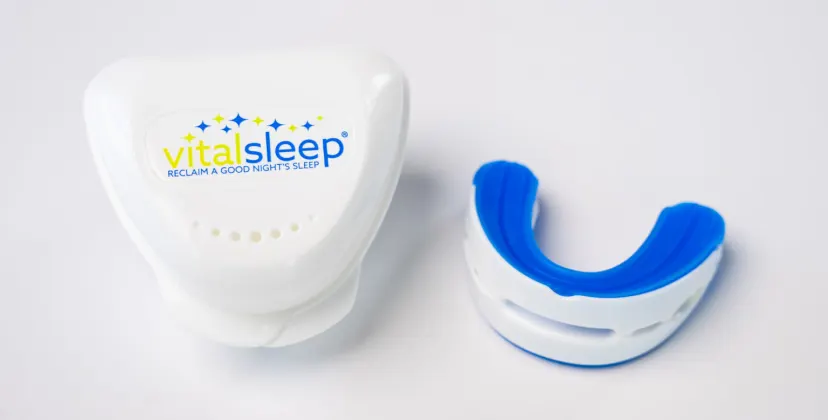
Mouthpieces, also known as anti-snoring mouthguards, are another popular option for reducing snoring. These devices are worn in the mouth while sleeping and work by keeping the jaw in a forward position, preventing the tongue from falling back and blocking the airway. This helps to reduce snoring and improve breathing during sleep.
There are two types of mouthpieces available – mandibular advancement devices (MADs) and tongue retaining devices (TRDs). MADs work by pushing the lower jaw forward, while TRDs hold the tongue in a forward position. Both types of mouthpieces have been proven to be effective in reducing snoring, but they may take some time to get used to.
Sleep Better, Snore Less: 4 Anti-Snoring Aids Worth Trying
It is essential to speak with a dentist before using a mouthpiece, as they may need to be custom-fitted for your mouth. Additionally, individuals with certain dental conditions, such as loose or missing teeth, may not be suitable candidates for mouthpieces.
3. Positional Therapy Devices
Sleep position can also play a significant role in snoring. Sleeping on your back can cause the tongue to fall back and block the airway, leading to snoring. Positional therapy devices, such as anti-snoring pillows or wearable devices, can help train you to sleep on your side, reducing snoring.
Anti-snoring pillows are designed to keep the head and neck in a proper position, preventing the tongue from obstructing the airway. They are often made with memory foam to provide support and comfort while sleeping. Wearable devices, on the other hand, are worn around the waist or back and use vibrations to remind you to change your sleeping position.
While positional therapy devices can be effective for some people, they may not work for everyone. It is also essential to note that it may take some time for your body to adjust to sleeping in a new position.
4. Continuous Positive Airway Pressure (CPAP) Machine
For those with more severe cases of snoring, a CPAP machine may be recommended by a doctor. CPAP machines work by delivering a continuous flow of air through a mask worn over the nose and mouth, keeping the airway open and preventing snoring.
While CPAP machines can be highly effective in treating snoring, they may not be suitable for everyone. Some people may find the mask uncomfortable or the noise of the machine disruptive to their sleep. It is also essential to regularly clean and maintain the machine to prevent any health risks.
In conclusion, snoring is a prevalent issue that can significantly impact our sleep quality and overall well-being. While there are various anti-snoring aids available, it is essential to consult with a doctor to determine the root cause of your snoring before trying any products. Nasal strips, mouthpieces, positional therapy devices, and CPAP machines are all worth considering and can help you sleep better and snore less.