
Sleep paralysis is a common sleep disorder that affects millions of people worldwide. It is characterized by a temporary inability to move or speak while falling asleep or waking up. This condition can be terrifying and leave sufferers feeling helpless and exhausted. Fortunately, there are several treatments available to help manage sleep paralysis, including mouthpieces. In this blog post, we will explore the benefits of using a mouthpiece for sleep paralysis.
What is Sleep Paralysis?
Sleep paralysis is a condition that occurs when the body is unable to transition between the stages of sleep properly. During the rapid eye movement (REM) stage of sleep, the body is usually paralyzed to prevent us from acting out our dreams. However, in sleep paralysis, this paralysis persists even after waking up, leaving the individual temporarily unable to move or speak.
This condition can last for a few seconds to several minutes, and it can be accompanied by hallucinations and the feeling of being suffocated or crushed. Sleep paralysis can be triggered by various factors, including stress, lack of sleep, and sleep disorders such as narcolepsy.
The Benefits of Using a Mouthpiece for Sleep Paralysis
1. Improves Breathing
One of the significant benefits of using a mouthpiece for sleep paralysis is improved breathing. Many individuals who suffer from sleep paralysis also experience difficulty breathing, which can worsen the condition. A mouthpiece, also known as a mandibular advancement device (MAD), can help to keep the airway open by pushing the lower jaw slightly forward. This helps to prevent the tongue from falling back and blocking the airway, allowing for better breathing and reducing the risk of sleep paralysis episodes.
2. Reduces Snoring
Sleep Better, Snore Less: The Benefits of a Mouthpiece for Sleep Paralysis
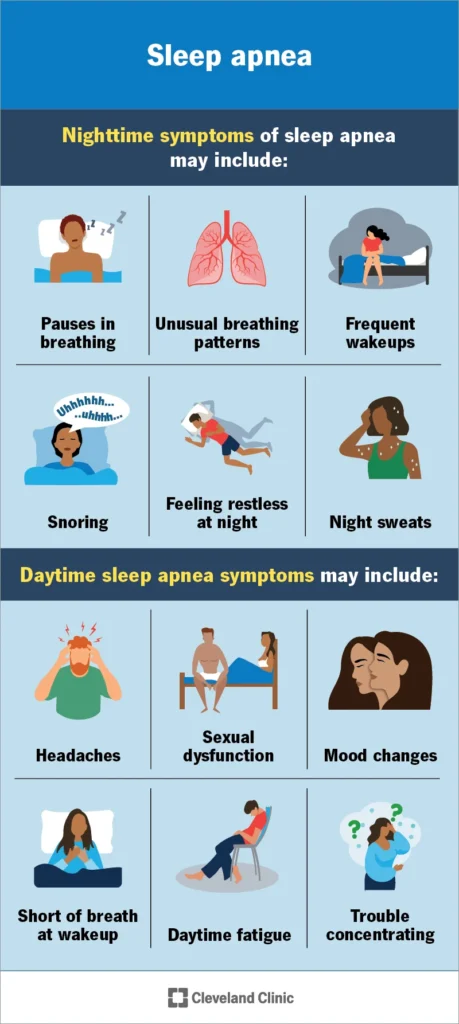
Snoring is a common symptom of sleep apnea, a sleep disorder that is closely linked to sleep paralysis. Many individuals who suffer from sleep paralysis also snore, which can be disruptive for both the sufferer and their sleeping partner. A mouthpiece can help reduce snoring by keeping the airway open and preventing the soft tissues in the throat from collapsing and causing snoring. This can lead to a more restful sleep and reduce the frequency of sleep paralysis episodes.
3. Promotes Better Sleep
Sleep paralysis can be disruptive to a person’s sleep, leading to a feeling of exhaustion and fatigue during the day. By improving breathing and reducing snoring, a mouthpiece can promote better sleep quality. This can lead to a more restful and rejuvenating sleep, reducing the chances of experiencing sleep paralysis.
4. Easy to Use
Using a mouthpiece for sleep paralysis is relatively easy and convenient. It is a small, portable device that can be easily worn before going to sleep. Unlike other treatments for sleep paralysis, such as medication or therapy, a mouthpiece does not require a doctor’s prescription and can be used at any time. It is also easy to clean and maintain, making it a practical option for managing sleep paralysis.
5. Non-Invasive
For those who are hesitant to try other treatments for sleep paralysis, a mouthpiece is a non-invasive option. It does not require any surgery or medication, making it a safe and natural alternative. The device is custom-made to fit the individual’s mouth, ensuring maximum comfort and effectiveness.
In summary, sleep paralysis can be a frightening and disruptive condition, but using a mouthpiece can provide many benefits for those who suffer from it. From improving breathing and reducing snoring to promoting better sleep and being easy to use, a mouthpiece can be a valuable tool in managing sleep paralysis. If you are experiencing sleep paralysis, consider talking to your doctor about using a mouthpiece as part of your treatment plan.