
Sleep is essential for our overall health and well-being, yet many of us struggle to get a good night’s rest. One factor that can greatly affect our sleep quality is our sleeping position. The position we sleep in can impact our breathing, circulation, and joint health, and can even cause discomfort for our partners. In this blog post, we’ll explore different sleep positions that can help you and your partner sleep soundly.
1. Back Sleeping
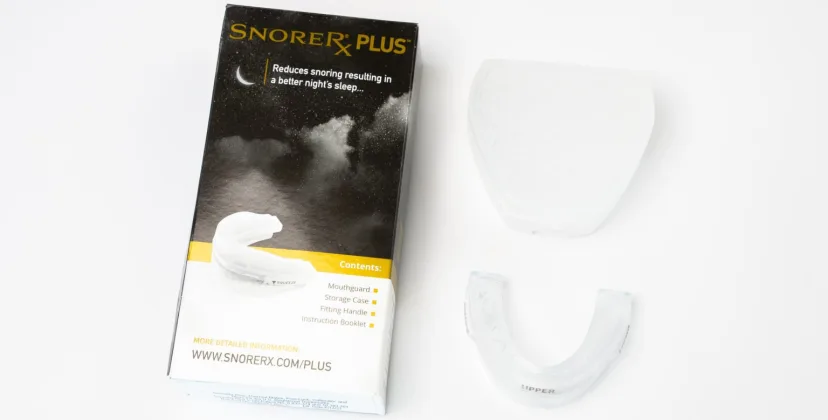
Sleeping on your back is considered to be the best position for overall health. This position allows your spine to align properly, reducing strain on your neck and back. It also helps to prevent acid reflux and heartburn. However, back sleeping may not be suitable for those who snore, as it can cause the tongue to block the airway and lead to snoring. If you or your partner snore, try elevating your head with a pillow or using a snore guard to keep the airway open.
2. Side Sleeping
Side sleeping is the most common sleep position and has many benefits. It can reduce snoring and sleep apnea, as the airway remains open and unrestricted. It also promotes healthy circulation, especially if you sleep on your left side, as it allows the heart to pump blood more efficiently. However, side sleeping can put pressure on your shoulders and hips, leading to discomfort and pain. To alleviate this, try placing a pillow between your knees to keep your spine aligned.
3. Stomach Sleeping
Stomach sleeping is not recommended as it can cause strain on your neck and back, leading to discomfort and pain. It can also restrict breathing and cause numbness in your arms and legs. However, if you cannot sleep in any other position, try using a thin pillow or no pillow at all. This will keep your head and neck in a more neutral position and reduce strain on your spine.
Sleep Positions to Help You (and Your Partner) Sleep Soundly
4. Spooning
Spooning is a popular sleeping position for couples, and it can have both pros and cons. On the positive side, it promotes intimacy and bonding between partners. It also allows for skin-to-skin contact, which can release oxytocin, a hormone that promotes feelings of love and happiness. However, spooning can also cause discomfort and restrict movement for one partner if the other is larger or has a tendency to move around a lot during sleep. To make spooning more comfortable, try using a body pillow between you and your partner for added support.
5. Back-to-Back
Sleeping back-to-back, also known as the “military” position, is when both partners sleep facing the opposite direction with their backs touching. This position can be beneficial as it allows for individual movement and prevents overheating. It also allows for a comfortable distance between partners, which can be beneficial for those who prefer their personal space while sleeping. However, it may not be the best position for those who snore, as it can cause both partners to be in close proximity to each other’s snoring.
6. Separate Beds
Although not a traditional sleeping position, sleeping in separate beds can be a viable option for couples who have different sleep preferences or schedules. This allows each partner to have their own space and sleep in a position that is most comfortable for them. It can also prevent disturbances such as snoring or tossing and turning from affecting the other partner’s sleep. However, it is important to maintain a healthy level of intimacy and communication in the relationship if choosing to sleep in separate beds.
In conclusion, finding the right sleep position for you and your partner is crucial for a good night’s rest. Consider trying out different positions and adjustments to see what works best for your individual needs. Remember to also keep your bedroom environment conducive to sleep by keeping it dark, cool, and quiet. With the right sleep position and environment, you and your partner can sleep soundly and wake up feeling refreshed and rejuvenated.