
Sleep Soundly: How Mouthguards Can Help with Snoring
Snoring is a common issue that affects millions of people worldwide. It not only disrupts the sleep of the person snoring but also their partner or anyone else sharing the same room. While occasional snoring may not be a cause for concern, chronic snoring can lead to a variety of health problems, including sleep deprivation and cardiovascular issues. Thankfully, there are ways to address snoring, one of which is through the use of mouthguards.
Mouthguards, also known as oral devices or mandibular advancement devices, are custom-made devices that fit over the teeth and help keep the airway open while sleeping. They are often used to treat sleep apnea, a common sleep disorder that causes a person to stop breathing for short periods during sleep. However, mouthguards can also be effective in reducing snoring, making it an attractive option for those looking for a non-invasive and affordable solution.
In this blog post, we will dive deeper into the world of mouthguards and how they can help with snoring. We will discuss the causes of snoring, how mouthguards work, their benefits, and tips for choosing the right mouthguard for you.
What Causes Snoring?
Before we delve into the topic of mouthguards, it is essential to understand what causes snoring in the first place. Snoring occurs when the airway is partially blocked, causing the tissues in the throat to vibrate. This can happen due to various reasons, including:
– Nasal congestion: When the nasal passages are blocked due to allergies, colds, or sinus infections, the air has to pass through a smaller space, increasing the chances of snoring.
– Age: As we age, the muscles in our throat tend to relax, leading to snoring.
– Obesity: Excess weight around the neck and throat can lead to a narrower airway, making it easier for the tissues to vibrate and cause snoring.
– Sleeping position: Sleeping on your back can cause the tongue to fall back and block the airway, resulting in snoring.
– Alcohol consumption: Alcohol relaxes the muscles in the throat, making it easier for them to vibrate and cause snoring.
How Do Mouthguards Work?
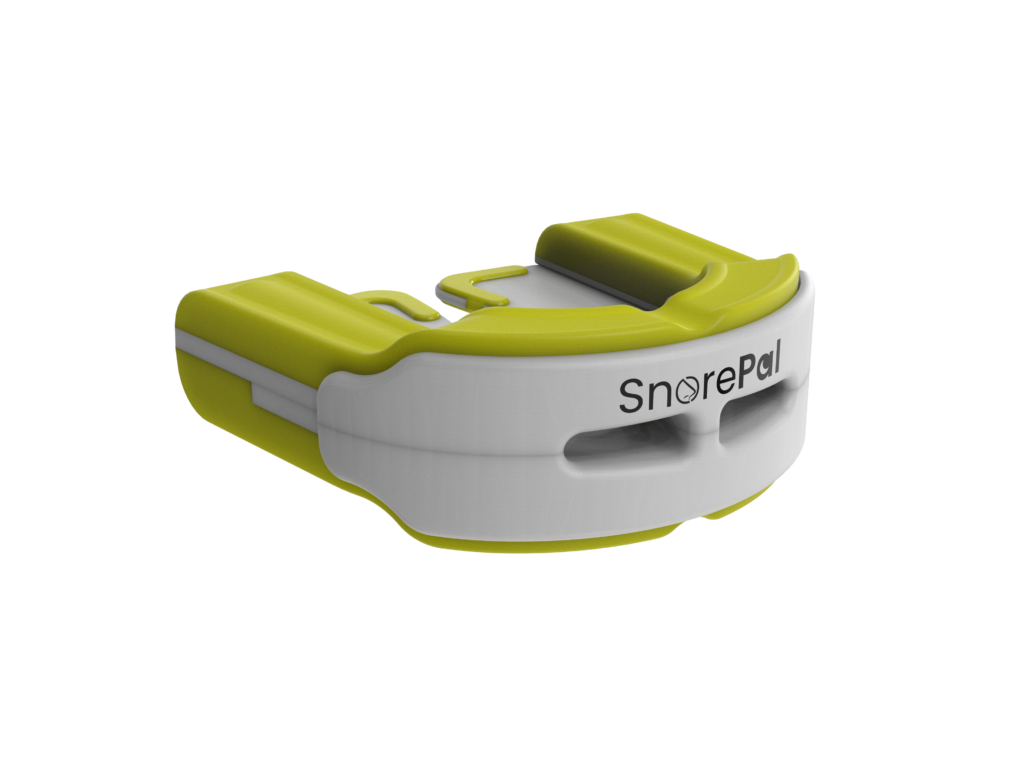
Mouthguards work by slightly moving the lower jaw forward, which helps keep the airway open. By doing so, they prevent the soft tissues in the throat from collapsing and vibrating, reducing or eliminating snoring altogether. They also help to keep the tongue from falling back and blocking the airway.
Types of Mouthguards
There are various types of mouthguards available in the market, each designed to cater to different needs. Some of the most common types include:
1. Boil-and-bite mouthguards: These mouthguards are made of a thermoplastic material that can be softened by boiling and then molded to fit the teeth. They are an affordable option and can be easily found in drugstores. However, they may not provide a perfect fit and may need to be replaced frequently.
2. Custom-made mouthguards: These mouthguards are made by taking an impression of the teeth and creating a personalized device for each individual. They provide a better fit and are more comfortable to wear, but they can be more expensive.
Sleep Soundly: How Mouthguards Can Help with Snoring
3. Adjustable mouthguards: These mouthguards have adjustable tabs that allow for a more precise fit. They are also suitable for people with braces, as they can be adjusted as the teeth shift.
Benefits of Using Mouthguards for Snoring
1. Improved sleep quality: By keeping the airway open, mouthguards can reduce or eliminate snoring, leading to better quality sleep for both the snorer and their partner.
2. Non-invasive: Unlike some other treatments for snoring, such as surgery or continuous positive airway pressure (CPAP) machines, mouthguards are non-invasive and do not involve any discomfort or recovery time.
3. Cost-effective: Mouthguards are a more affordable option than surgery or CPAP machines, making them accessible to a wider range of people.
4. Easy to use: Mouthguards are simple to use and require no special preparation or maintenance, making them a convenient choice for those with busy lifestyles.
Tips for Choosing the Right Mouthguard
1. Consult with a dentist: Before purchasing a mouthguard, it is essential to consult with a dentist. They can assess your snoring and recommend the best type of mouthguard for your specific needs.
2. Read reviews: With so many mouthguards available in the market, it can be overwhelming to choose the right one. Reading reviews from other users can give you an idea of the effectiveness and comfort level of different mouthguards.
3. Consider your budget: Custom-made mouthguards can be more expensive than over-the-counter options, so it is essential to consider your budget before making a decision.
4. Look for FDA approval: Ensure that the mouthguard you choose is approved by the Food and Drug Administration (FDA) to ensure its safety and effectiveness.
In conclusion, snoring is a common issue that can be disruptive to both the snorer and their partner. Mouthguards offer a non-invasive and affordable solution for reducing or eliminating snoring, leading to better sleep and improved overall health. By understanding the causes of snoring and choosing the right mouthguard, you can finally sleep soundly and wake up feeling rested.
Summary:
Snoring can be a disruptive issue that affects both the snorer and their partner. Mouthguards, also known as oral devices, can help by keeping the airway open and preventing the tissues in the throat from vibrating. They are non-invasive, cost-effective, and easy to use, making them an attractive option for those looking to address their snoring. There are various types of mouthguards available, including boil-and-bite, custom-made, and adjustable, and it is essential to consult with a dentist and read reviews before making a decision. By understanding the causes of snoring and choosing the right mouthguard, individuals can finally sleep soundly and wake up feeling rested.