
Sleep Soundly, Smoke-Free: The Benefits of Quitting for Snorers
Snoring is a common problem that affects millions of people around the world. It can be disruptive to both the snorer and their sleep partner, leading to poor sleep quality and even relationship issues. While there are many factors that can contribute to snoring, one often overlooked and underestimated cause is smoking. Yes, you read that right – smoking can worsen snoring. In this blog post, we will explore the connection between smoking and snoring, and why quitting smoking can lead to better sleep and a snore-free night.
The Link Between Smoking and Snoring
To understand the impact of smoking on snoring, it’s important to first understand what causes snoring. Snoring occurs when the airway is partially blocked, leading to vibrations in the throat that produce the snoring sound. This blockage can be caused by various factors such as nasal congestion, enlarged tonsils, or a deviated septum. However, smoking can also contribute to snoring in several ways.
Firstly, smoking irritates the lining of the throat and airways, causing inflammation and swelling. This inflammation can lead to a narrower airway, making it more likely for snoring to occur. Additionally, smoking can also cause the muscles in the throat to relax, further contributing to airway obstruction and snoring.
Furthermore, smoking has been linked to an increased risk of sleep apnea, a sleep disorder characterized by pauses in breathing during sleep. Sleep apnea not only causes snoring but can also lead to more serious health issues such as high blood pressure, heart disease, and stroke.
The Benefits of Quitting Smoking for Snorers
Now that we understand the link between smoking and snoring, let’s look at the benefits of quitting smoking for snorers.
Reduced Inflammation and Swelling
One of the main benefits of quitting smoking for snorers is reduced inflammation and swelling in the throat and airways. When you quit smoking, the irritation and damage caused by smoking start to heal, leading to a decrease in swelling and a wider airway. This can significantly reduce snoring and improve overall sleep quality.
Improved Muscle Function
As mentioned earlier, smoking can cause the muscles in the throat to relax, leading to airway obstruction and snoring. When you quit smoking, the muscles in the throat start to regain their strength and function, reducing the likelihood of snoring.
Better Sleep Quality
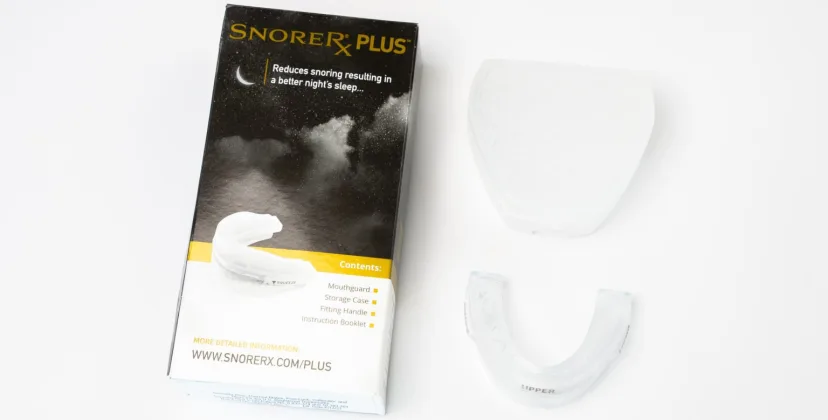
Sleep Soundly, Smoke-Free: The Benefits of Quitting for Snorers
Quitting smoking can also lead to better sleep quality for snorers. When you quit smoking, you may experience less nighttime waking and improved breathing during sleep. This can result in a more restful sleep, leaving you feeling more refreshed and energized in the morning.
Reduced Risk of Sleep Apnea
As smoking has been linked to an increased risk of sleep apnea, quitting smoking can also reduce the risk of developing this serious sleep disorder. By quitting smoking, you are not only improving your snoring but also protecting yourself from potential health complications associated with sleep apnea.
Improved Overall Health
Aside from the direct impact on snoring and sleep, quitting smoking also has numerous other health benefits. Smoking is known to increase the risk of various health issues such as lung cancer, heart disease, and stroke. By quitting smoking, you are reducing this risk and improving your overall health and well-being.
Tips for Quitting Smoking
Quitting smoking is not an easy feat, but it is definitely worth the effort for snorers looking to improve their sleep. Here are some tips to help you on your journey to becoming smoke-free:
1. Set a quit date and stick to it.
2. Identify your triggers and come up with a plan to avoid or manage them.
3. Seek support from friends, family, or a support group.
4. Consider using nicotine replacement therapy or other smoking cessation aids.
5. Stay motivated by reminding yourself of the benefits of quitting.
In conclusion, smoking can worsen snoring and disrupt sleep quality. By quitting smoking, snorers can experience reduced inflammation and swelling, improved muscle function, better sleep quality, and a reduced risk of sleep apnea. Quitting smoking also has numerous other health benefits, making it a worthwhile endeavor for both snorers and non-snorers alike. So, if you’re a snorer who smokes, it’s time to kick the habit and start enjoying a snore-free, sound sleep.