
Blog Post: Sleep Soundly: Tips for Managing Caffeine and Snoring
Getting a good night’s sleep is essential for our physical and mental well-being. Yet, many of us struggle to get the recommended 7-9 hours of sleep per night. Two common factors that can disrupt our sleep are caffeine intake and snoring. Caffeine is a stimulant that can keep us alert and awake, while snoring can disrupt our breathing and cause interruptions in our sleep. In this blog post, we will discuss the effects of caffeine and snoring on our sleep and provide tips for managing them to help you sleep soundly.
Caffeine and Sleep
Caffeine is a natural substance found in coffee, tea, chocolate, and some medications. It is a stimulant that can block the effects of adenosine, a chemical in the brain that promotes sleep. This means that caffeine can keep us alert and awake, making it difficult to fall asleep and stay asleep.
The effects of caffeine on our sleep can vary from person to person. Some people may be more sensitive to caffeine and may experience disrupted sleep even if they consume it early in the day. Others may be able to tolerate caffeine in the evening without any noticeable effects on their sleep.
To manage caffeine intake for better sleep, it is important to understand how much caffeine is in the products we consume. A cup of coffee can contain anywhere from 95-200 mg of caffeine, while a cup of tea can have 14-70 mg. Energy drinks and sodas can also have high amounts of caffeine. It is recommended to limit caffeine intake to 200-400 mg per day, and to avoid consuming caffeine at least 6 hours before bedtime.
If you are sensitive to caffeine, it may be helpful to switch to decaffeinated versions of your favorite beverages or try alternative options like herbal teas. It is also important to be mindful of hidden sources of caffeine, such as chocolate and some pain relievers. Reading labels and being aware of your caffeine intake can greatly improve your sleep quality.
Snoring and Sleep
Snoring is a common sleep issue that can affect both the snorer and their partner. It is caused by the vibration of tissues in the throat and nose as we breathe during sleep. While occasional snoring may not be a cause for concern, chronic snoring can disrupt sleep patterns and lead to other health issues.
For the snorer, the sound of snoring can be disruptive and may lead to poor sleep quality. It can also cause daytime fatigue, irritability, and difficulty concentrating. For the partner, it can lead to sleep disturbances and resentment towards the snorer.
Sleep Soundly: Tips for Managing Caffeine and Snoring
Snoring can also be a sign of a more serious condition called obstructive sleep apnea (OSA). This is when the airway becomes blocked during sleep, causing pauses in breathing and disrupting sleep. OSA can lead to daytime sleepiness, high blood pressure, and increased risk of heart disease and stroke. If you suspect you or your partner may have OSA, it is important to consult a doctor for proper diagnosis and treatment.
Tips for Managing Caffeine and Snoring for Better Sleep
1. Practice good sleep hygiene – This includes establishing a regular sleep schedule, creating a relaxing sleep environment, and avoiding stimulating activities before bedtime.
2. Limit caffeine intake – As mentioned earlier, it is important to limit caffeine intake to 200-400 mg per day and avoid it at least 6 hours before bedtime.
3. Elevate your head – If you are prone to snoring, elevating your head while sleeping can help reduce snoring by opening up your airway.
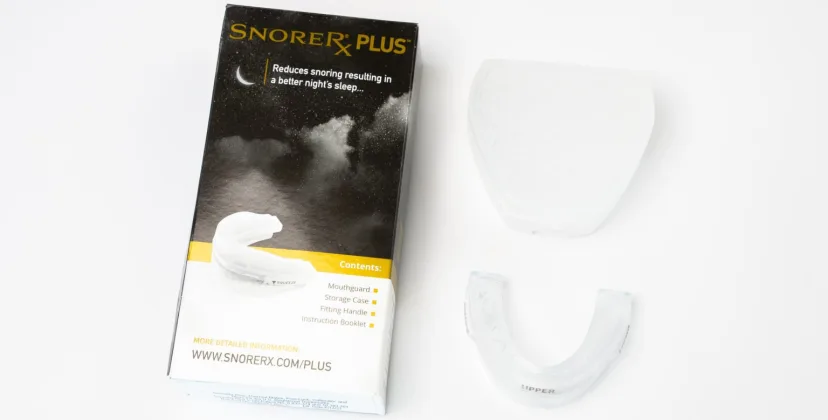
4. Use nasal strips or a mouthpiece – Nasal strips can help open up the nasal passages, making it easier to breathe. Mouthpieces can also help by keeping the airway open.
5. Consider weight loss – Being overweight can contribute to snoring and OSA. Losing weight can help reduce snoring and improve overall health.
6. Seek medical treatment – If snoring persists despite trying these tips, it is important to consult a doctor. They may recommend other treatments such as surgery or a continuous positive airway pressure (CPAP) machine for OSA.
Summary:
Getting a good night’s sleep is crucial for our overall health and well-being. However, factors like caffeine intake and snoring can disrupt our sleep and lead to various health issues. To manage caffeine intake, it is important to be mindful of the amount of caffeine in our beverages and to avoid consuming it close to bedtime. For snoring, practicing good sleep hygiene, elevating the head while sleeping, and seeking medical treatment if necessary can greatly improve sleep quality. By following these tips, you can manage caffeine and snoring and sleep soundly.