
Sleep Tight: The Effectiveness of Positional Therapy for Snoring
Snoring is a common problem that affects millions of people worldwide. It not only disrupts the sleep of the snorer but also their partner, leading to fatigue, irritability, and other health issues. While there are many causes of snoring, one of the most effective ways to reduce or eliminate it is through positional therapy. This blog post will explore the effectiveness of positional therapy for snoring and how it can help improve the quality of sleep for both the snorer and their partner.
What is Positional Therapy?
Positional therapy is a non-invasive treatment for snoring that involves changing the sleeping position to prevent the tongue and soft tissues in the throat from blocking the airway. It is based on the concept that snoring is more likely to occur in certain sleeping positions, such as sleeping on the back, which causes the tongue to fall back and obstruct the airway. By encouraging the snorer to sleep on their side or stomach, positional therapy aims to keep the airway open and reduce or eliminate snoring.
Effectiveness of Positional Therapy
Multiple studies have shown that positional therapy is an effective treatment for snoring. One study published in the Journal of Clinical Sleep Medicine found that positional therapy reduced snoring by 66% in patients with mild to moderate sleep apnea. Another study published in the Journal of Sleep Research found that positional therapy significantly reduced snoring and sleep apnea symptoms in patients with severe sleep apnea.
In addition to reducing snoring, positional therapy has also been found to improve sleep quality. A study published in the Journal of Sleep Research found that patients who used positional therapy reported better sleep quality and reduced daytime sleepiness.
Benefits of Positional Therapy
Positional therapy offers several benefits for snorers, including:
1. Non-invasive: Unlike other treatments for snoring, such as surgery or oral appliances, positional therapy is non-invasive and does not require any special equipment.
2. Easy to use: Positional therapy devices, such as special pillows or wearable devices, are easy to use and do not require any special training.
3. Cost-effective: Compared to other treatments for snoring, positional therapy is relatively inexpensive, making it accessible for a wide range of people.
4. Improves sleep quality: As mentioned earlier, positional therapy not only reduces snoring but also improves sleep quality, leading to better overall health and well-being.
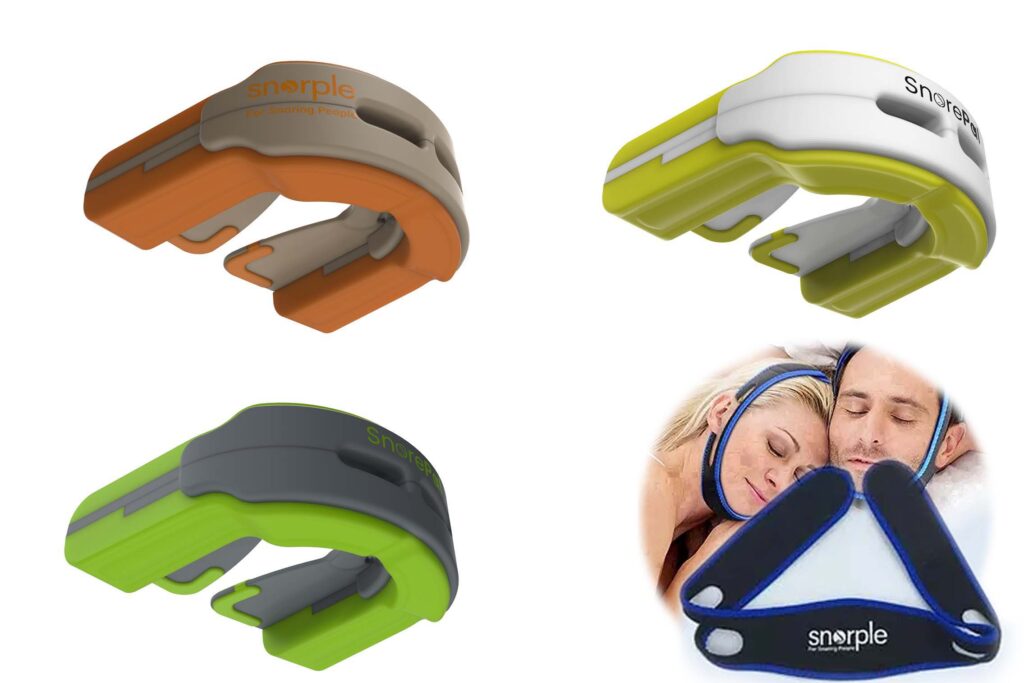
Sleep Tight: The Effectiveness of Positional Therapy for Snoring
5. No side effects: Unlike some other treatments for snoring, positional therapy has no known side effects, making it a safe option for most people.
How to Incorporate Positional Therapy into Your Routine
There are several ways to incorporate positional therapy into your routine to reduce snoring. One way is to use a special pillow designed to keep you in a side sleeping position. These pillows are designed to keep the head and neck in a slightly elevated position, which can help prevent the tongue from falling back and blocking the airway.
Another option is to use a wearable device that alerts you when you are sleeping on your back and encourages you to change positions. These devices can be worn on the wrist or attached to the back of the neck, and they use gentle vibrations to prompt you to change positions.
Additionally, you can also try using a tennis ball or other object attached to the back of your pajamas to prevent you from rolling onto your back while sleeping.
Other Tips for Reducing Snoring
While positional therapy can be highly effective, it is not a standalone solution for snoring. Here are some other tips that can help reduce snoring and improve sleep quality:
1. Maintain a healthy weight: Being overweight or obese can contribute to snoring as it can lead to excess tissue in the throat that can obstruct the airway. By maintaining a healthy weight, you can reduce the severity of snoring.
2. Avoid alcohol and sedatives before bed: Alcohol and sedatives can relax the muscles in the throat, making it more likely for the tongue to fall back and block the airway.
3. Keep bedroom air moist: Dry air can irritate the throat and nasal passages, leading to snoring. Using a humidifier in the bedroom can help keep the air moist and reduce snoring.
4. Practice good sleep hygiene: Getting enough sleep, maintaining a consistent sleep schedule, and creating a comfortable sleep environment can all help reduce snoring.
Conclusion
Snoring can be a disruptive and frustrating issue for both the snorer and their partner. However, with the help of positional therapy, it is possible to reduce or eliminate snoring and improve sleep quality. By incorporating positional therapy into your routine and following other tips for reducing snoring, you can enjoy a peaceful and restful night’s sleep.
In summary, positional therapy is an effective, non-invasive, and cost-effective treatment for snoring. It works by encouraging the snorer to sleep on their side or stomach to keep the airway open and reduce snoring. With the help of special pillows, wearable devices, and simple tips, snorers can experience improved sleep quality and a better overall quality of life.