
Blog Post: Sleeping on Your Side: The Key to Reducing Snoring
Snoring is a common problem that affects millions of people worldwide. Not only can it be disruptive to your own sleep, but it can also disturb your partner’s sleep as well. While there are many factors that can contribute to snoring, one of the most effective ways to reduce it is by sleeping on your side. In this blog post, we will discuss why sleeping on your side is the key to reducing snoring and how you can make this sleeping position a habit.
What Causes Snoring?
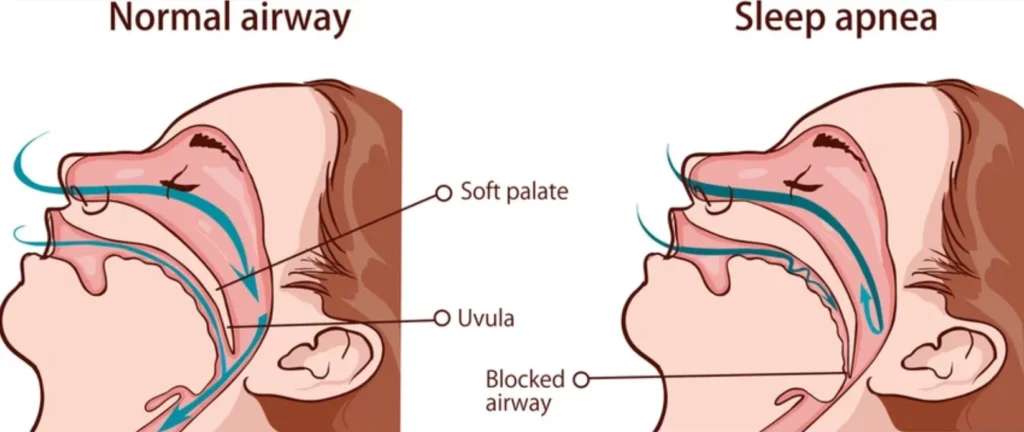
Before we dive into the benefits of sleeping on your side, it’s important to understand why snoring occurs in the first place. Snoring is caused by vibrations in the throat and the soft palate, which can be triggered by a variety of factors. These include:
– Obstructed nasal airways: When your nasal passages are blocked due to allergies, colds, or sinus infections, it can cause snoring.
– Sleeping on your back: When you sleep on your back, gravity can cause your tongue and soft palate to collapse towards the back of your throat, obstructing the airway and leading to snoring.
– Alcohol consumption: Alcohol relaxes the muscles in your throat, making it more likely for you to snore.
– Being overweight: Excess weight can lead to the narrowing of the airway, making it more difficult for air to pass through and increasing the likelihood of snoring.
Why Sleeping on Your Side is Beneficial for Reducing Snoring
Now that we understand some of the common causes of snoring, let’s explore why sleeping on your side can be beneficial for reducing snoring.
1. Keeps Airways Open
When you sleep on your side, gravity works in your favor. It prevents your tongue and soft palate from collapsing towards the back of your throat, which can obstruct your airway and cause snoring. By keeping your airway open, you can breathe more easily and reduce the chances of snoring.
2. Reduces Pressure on the Lungs
Sleeping on your back can put pressure on your lungs and make it more difficult for you to breathe. This can lead to snoring as your body tries to compensate for the lack of oxygen. Sleeping on your side allows your lungs to expand fully, making it easier to breathe and reducing the likelihood of snoring.
3. Encourages Nasal Breathing
When you sleep on your side, it encourages nasal breathing. Breathing through your nose filters and humidifies the air, making it easier for air to pass through the airway without causing vibrations and snoring. Nasal breathing also helps to reduce the risk of sleep apnea, a serious sleep disorder that can lead to pauses in breathing and loud snoring.
Sleeping on Your Side: The Key to Reducing Snoring
4. Helps with Digestion
Sleeping on your side can also aid in digestion. When you sleep on your back, the acid from your stomach can easily travel up to your esophagus, causing heartburn and acid reflux. By sleeping on your side, you can prevent this from happening and reduce the likelihood of snoring caused by acid reflux.
Tips for Making Side Sleeping a Habit
Now that you understand the benefits of sleeping on your side for reducing snoring, here are some tips to help you make it a habit:
1. Use Pillows for Support
Using pillows for support can help you maintain the side sleeping position throughout the night. You can place a pillow between your knees to keep your spine aligned, or use a body pillow to support your whole body.
2. Try a Different Mattress
A mattress that is too soft or too firm can make it difficult to sleep on your side comfortably. Consider trying a different mattress with medium-firm support to see if it helps you maintain the side sleeping position.
3. Use a Tennis Ball Trick
If you find yourself rolling onto your back during the night, you can try the tennis ball trick. Simply sew a tennis ball onto the back of your pajama top, and it will prevent you from rolling onto your back while sleeping.
4. Practice Good Sleep Hygiene
Good sleep hygiene is essential for a good night’s rest. Make sure to establish a regular sleep schedule, avoid caffeine and heavy meals before bedtime, and create a comfortable and relaxing sleep environment to promote side sleeping.
In Summary,
Snoring can be a disruptive and frustrating problem to deal with, but by sleeping on your side, you can significantly reduce its occurrence. Sleeping on your side keeps your airway open, reduces pressure on the lungs, encourages nasal breathing, and aids in digestion. By following some simple tips, you can make side sleeping a habit and improve the quality of your sleep.