
Blog Post:
Snoring is a common problem that affects millions of people worldwide. It can be caused by a variety of factors such as allergies, obesity, and sleep disorders. While occasional snoring may not be a cause for concern, chronic snoring can significantly impact the quality of sleep for both the snorer and their bed partner. Not only does it disrupt sleep, but it can also lead to health issues such as fatigue, irritability, and even heart disease. If you are a chronic snorer, you may have tried various remedies with little to no success. However, one thing you may not have considered is your sleeping position. In this blog post, we will explore some sleeping position hacks that can help chronic snorers get a better night’s rest.
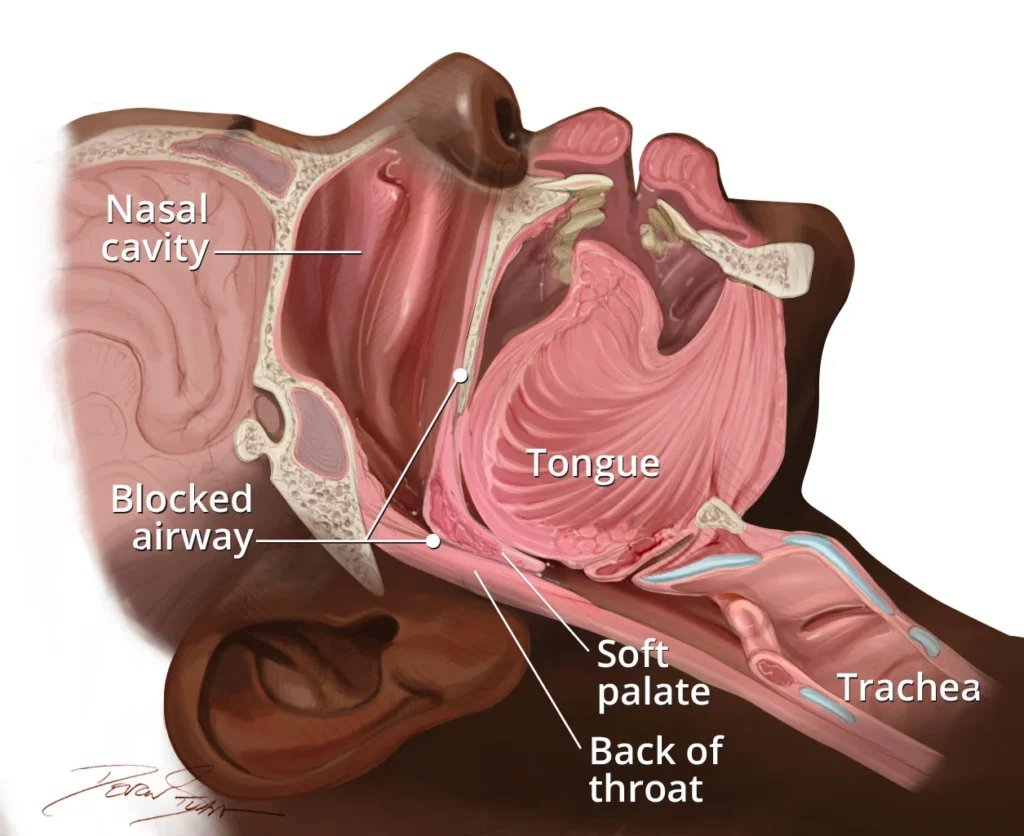
1. Elevate Your Head: One of the most effective ways to reduce snoring is to elevate your head while sleeping. This helps to open up your airways and prevent the soft tissues in your throat from collapsing, which is a common cause of snoring. You can achieve this by using an extra pillow or investing in a wedge pillow specifically designed for snorers. Additionally, you can try raising the head of your bed by placing blocks or risers under the legs of the bed frame.
2. Sleep on Your Side: Sleeping on your back is a common position for snorers as it allows the tongue and soft tissues to fall back and block the airway. Instead, try sleeping on your side to keep your airway open and reduce snoring. You can use a body pillow or a tennis ball sewn into the back of your pajamas to prevent you from rolling onto your back while sleeping.
3. Avoid Sleeping on Your Stomach: While sleeping on your stomach may seem like a good idea for snorers, it can actually make the problem worse. This position can put pressure on your neck and cause your airway to become more constricted, leading to louder and more frequent snoring. It’s best to avoid this position altogether if you are a chronic snorer.
4. Use a Chin Strap: Chin straps are designed to keep your mouth closed while sleeping, which can help reduce or eliminate snoring. They work by supporting your jaw and preventing it from falling open, which can cause the tongue to block the airway. While it may take some getting used to, chin straps can be a helpful tool for chronic snorers.
5. Try a Body Positioner: If you find it challenging to maintain a side sleeping position, you can try using a body positioner. These are pillows or wedges that are designed to keep your body in a specific position while you sleep. They can help reduce snoring by keeping your airway open and preventing you from rolling onto your back.
Sleeping Position Hacks for Chronic Snorers
6. Avoid Alcohol and Sedatives: Alcohol and sedatives can relax the muscles in your throat, making it more likely for you to snore. If you are a chronic snorer, it’s best to avoid these substances before bedtime. If you do choose to drink, make sure to do so at least 2-3 hours before going to bed to give your body enough time to metabolize the alcohol.
7. Consider a Nasal Dilator: Nasal dilators are small devices that are inserted into the nostrils to help keep them open while sleeping. They can be an effective solution for snorers who have nasal congestion or a deviated septum. Nasal dilators come in various shapes and sizes, so it may take some trial and error to find one that works best for you.
8. Invest in a Good Pillow: The type of pillow you use can also make a significant difference in your snoring. Using a pillow that is too flat or too thick can cause your neck to be in an uncomfortable position, leading to snoring. Look for a pillow that supports your neck and keeps your head in a neutral position while sleeping.
9. Try a Mouthguard: Mouthguards, also known as mandibular advancement devices, are custom-made devices that help keep your airway open by positioning your jaw slightly forward. They are similar to the mouthguards used in sports, but they are specifically designed for snoring. Mouthguards can be expensive, but they can be a game-changer for chronic snorers.
10. Seek Professional Help: If you have tried various sleeping position hacks and still find yourself snoring, it may be time to seek professional help. A sleep specialist can help identify the underlying cause of your snoring and recommend the best treatment plan for you. They may also suggest a sleep study to monitor your breathing patterns while sleeping.
In conclusion, snoring can be a frustrating and embarrassing problem for chronic snorers. However, by making some simple changes to your sleeping position, you may be able to reduce or even eliminate snoring. Elevating your head, sleeping on your side, and using aids such as chin straps and body positioners can all be effective ways to combat snoring. If all else fails, seeking professional help can provide you with a personalized treatment plan to help you get a better night’s rest.
Summary:
Chronic snoring can have a significant impact on both the snorer and their bed partner. While many remedies may not work, one thing that can make a difference is your sleeping position. Elevating your head, sleeping on your side, using aids such as chin straps and body positioners, and avoiding alcohol and sedatives are some sleeping position hacks that can help reduce snoring. Additionally, investing in a good pillow, trying a mouthguard, and seeking professional help can also be beneficial for chronic snorers.