
Sleeping Serenely: The Role of a Mouthpiece in Reducing Snoring and Sleep Disorders
For many people, a good night’s sleep is essential for overall health and well-being. However, for those who suffer from snoring or sleep disorders, getting a good night’s rest can often seem like an impossible feat. Snoring is a common issue that affects millions of people worldwide and can be a significant source of frustration for both the snorer and their partner. It can also be a symptom of a more serious sleep disorder, such as sleep apnea, which can have severe consequences if left untreated. Fortunately, there are various treatments available to help reduce snoring and improve sleep quality, including the use of a mouthpiece.
In this blog post, we will explore the role of a mouthpiece in reducing snoring and sleep disorders. We will discuss how snoring and sleep disorders can impact our overall health, the different types of mouthpieces available, and how they work to reduce snoring. We will also address some common misconceptions about mouthpieces and provide tips for choosing the right one for you.
The Impact of Snoring and Sleep Disorders on Our Health
Snoring occurs when the airway becomes partially blocked during sleep, causing vibrations in the throat and creating the loud, disruptive noise we all know too well. While occasional snoring may not be a cause for concern, chronic snoring can be a sign of a more serious issue. Sleep disorders such as sleep apnea, a condition where breathing stops and starts repeatedly during sleep, can also lead to snoring. These sleep disorders can have severe consequences on our health, including daytime fatigue, irritability, and an increased risk of heart disease, stroke, and diabetes.
Mouthpieces: What Are They and How Do They Work?
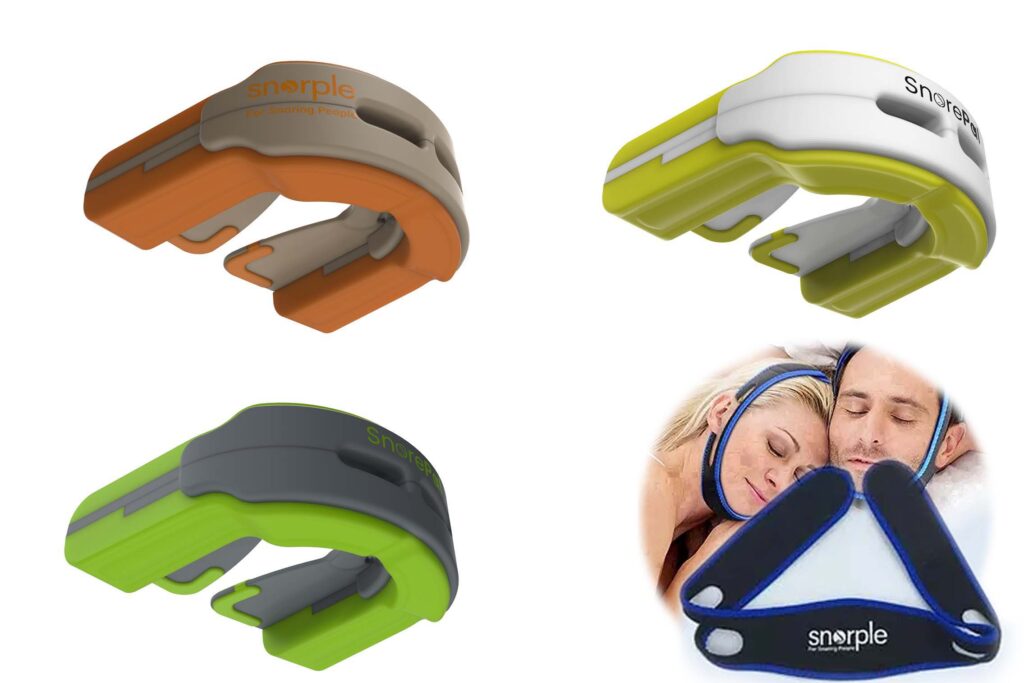
Mouthpieces, also known as oral appliances, are devices that are worn in the mouth during sleep to help reduce snoring and sleep disorders. They are designed to hold the jaw in a forward position, preventing the tongue and soft tissues from collapsing into the airway and causing obstruction. By keeping the airway open, mouthpieces promote better airflow, reducing or eliminating snoring and improving sleep quality.
Types of Mouthpieces
There are two main types of mouthpieces: mandibular advancement devices (MADs) and tongue retaining devices (TRDs). MADs are the most common type and work by pushing the jaw forward, creating more space in the airway. TRDs, on the other hand, hold the tongue in a forward position, preventing it from blocking the airway. Both types can be effective in reducing snoring and sleep disorders, and it may be a matter of personal preference when choosing between them.
Common Misconceptions about Mouthpieces
Despite their effectiveness, there are still some misconceptions about mouthpieces that may discourage people from using them. One common misconception is that mouthpieces are uncomfortable and will disrupt sleep. While it may take some time to get used to wearing a mouthpiece, most people adjust quickly, and the benefits of better sleep far outweigh any initial discomfort.
Sleeping Serenely: The Role of a Mouthpiece in Reducing Snoring and Sleep Disorders
Another misconception is that mouthpieces are only for people with sleep apnea. While mouthpieces can be an effective treatment for sleep apnea, they can also be beneficial for those who snore due to other reasons. Additionally, some people may think that they are too expensive or that they are difficult to clean and maintain. However, there are various affordable options available, and with proper care, mouthpieces can last for years.
Tips for Choosing the Right Mouthpiece
If you are considering using a mouthpiece to reduce snoring and improve your sleep quality, here are some tips to help you choose the right one:
1. Consult with your doctor: Before trying any new treatment for snoring or sleep disorders, it is essential to consult with your doctor. They can help determine the cause of your snoring and recommend the most suitable treatment, including the type of mouthpiece that may work best for you.
2. Do your research: There are many mouthpieces available on the market, and it’s important to do your research before making a purchase. Look for reputable brands and read reviews from other users to get an idea of their effectiveness.
3. Consider your budget: Mouthpieces can range in price from $20 to $200, so it’s essential to consider your budget when choosing one. Keep in mind that more expensive does not always mean better, and there are affordable options that can be just as effective.
4. Choose the right size and fit: A mouthpiece that is too big or too small can be uncomfortable and may not work effectively. Look for mouthpieces that offer customizable sizing or come in different sizes to ensure the best fit for your mouth.
5. Follow proper care and maintenance: To ensure your mouthpiece lasts and remains effective, it’s crucial to follow proper care and maintenance instructions. Most mouthpieces can be easily cleaned with a toothbrush and toothpaste, and some may require occasional replacement parts.
In summary, snoring and sleep disorders can have significant impacts on our health and overall well-being. Fortunately, mouthpieces offer a simple and effective solution for reducing snoring and improving sleep quality. By understanding the different types of mouthpieces available, addressing common misconceptions, and following tips for choosing the right one, you can take steps towards a more restful and peaceful night’s sleep.