
Sleeping soundly is essential for our overall health and well-being. However, for those with sleep apnea, achieving a good night’s sleep can be a struggle. Sleep apnea is a common sleep disorder that causes interruptions in breathing during sleep, leading to disrupted sleep patterns and chronic fatigue. Fortunately, creating a suitable sleep environment can significantly improve sleep quality and help alleviate symptoms of sleep apnea. In this blog post, we will discuss how to create the perfect sleep environment for apnea relief.
1. Optimize Your Bedroom Lighting
The first step to creating the perfect sleep environment is to optimize your bedroom lighting. Exposure to bright light, especially blue light emitted from electronic devices, can suppress the production of melatonin, the hormone responsible for regulating our sleep-wake cycle. This can make it more challenging to fall asleep and stay asleep. To avoid this, limit the use of electronic devices at least an hour before bedtime and invest in blackout curtains or blinds to block out any external light sources. Additionally, consider using a dimmer switch or low-wattage bulbs in your bedroom to create a more relaxing and sleep-inducing atmosphere.
2. Keep Your Bedroom Cool and Comfortable
The temperature and comfort level of your bedroom can also greatly impact your sleep quality. The ideal bedroom temperature for sleep is around 60-67 degrees Fahrenheit. Too hot or too cold temperatures can disrupt your sleep and make it more challenging to fall asleep. Invest in a good quality mattress, pillows, and bedding that provide proper support and comfort for your body. Additionally, using a fan or white noise machine can help drown out any external noises that may disturb your sleep.
3. Declutter and De-Clutter Your Bedroom
A cluttered and messy bedroom can create a sense of chaos and make it challenging to relax and unwind before bedtime. Take some time to declutter and organize your bedroom, making it a serene and peaceful space. Make sure to remove any work-related items, such as laptops or paperwork, from your bedroom. This will help create a clear separation between your work and sleep space and promote a more restful atmosphere.
4. Invest in a Quality Mattress and Pillows
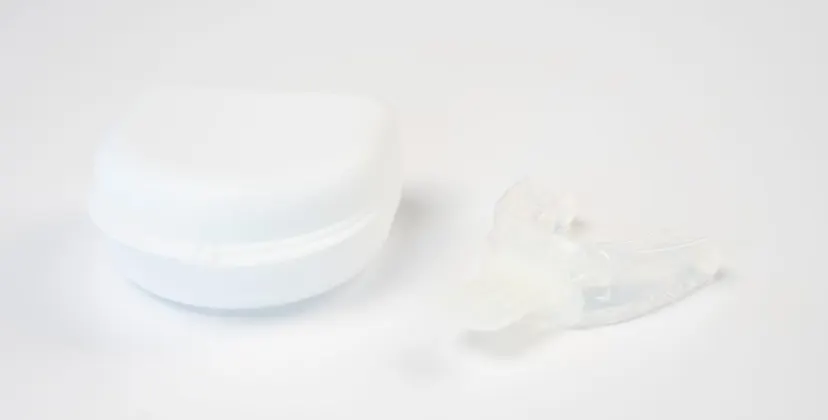
Sleeping Soundly: How to Create the Perfect Sleep Environment for Apnea Relief
As mentioned earlier, a good quality mattress and pillows are essential for a comfortable and supportive sleep environment. For those with sleep apnea, it is crucial to invest in a mattress and pillows that provide proper support for the head, neck, and spine. Look for mattresses and pillows that offer pressure relief and are specifically designed for people with sleep apnea. Memory foam mattresses and pillows are known for providing excellent support and conforming to the body’s shape, making them an ideal choice for those with sleep apnea.
5. Consider Using Essential Oils
Aromatherapy has been shown to have a positive impact on sleep quality and can be beneficial for those with sleep apnea. Essential oils such as lavender, chamomile, and valerian have calming and relaxing properties that can help promote sleep. You can use a diffuser to disperse the oils in your bedroom, or you can apply a few drops to your pillow before bedtime. However, make sure to use high-quality essential oils and consult with a healthcare professional before use, especially if you have any allergies or sensitivities.
6. Practice Relaxation Techniques
Relaxation techniques such as deep breathing, meditation, and progressive muscle relaxation can help calm the mind and body and promote a more restful sleep. These techniques can also be helpful for managing stress and anxiety, which are common triggers for sleep apnea. Incorporating these practices into your bedtime routine can help you relax and prepare your body for sleep.
7. Consider Using a CPAP Machine
For those with moderate to severe sleep apnea, using a CPAP (Continuous Positive Airway Pressure) machine may be necessary to manage symptoms and improve sleep quality. A CPAP machine delivers a continuous flow of air through a mask worn over the nose and mouth, keeping the airway open and preventing interruptions in breathing. If you have been prescribed a CPAP machine, make sure to use it consistently and maintain it properly for optimal results.
In summary, creating the perfect sleep environment for apnea relief involves optimizing bedroom lighting, keeping the room cool and comfortable, decluttering and de-cluttering, investing in a quality mattress and pillows, using essential oils, practicing relaxation techniques, and using a CPAP machine if necessary. By implementing these strategies, you can improve your sleep quality and manage symptoms of sleep apnea effectively.