
5 rapid-fire takeaways (no fluff):
- “Sleepmaxxing” is trending, but the cheapest win is often reducing snoring.
- An anti snoring mouthpiece can help when jaw position is part of the problem.
- Don’t let gadgets distract you from basics: schedule, alcohol timing, and nasal airflow.
- If there’s choking/gasping, heavy daytime sleepiness, or high blood pressure, think “get checked,” not “buy another device.”
- Start with a simple at-home trial, track results, and stop if it causes jaw pain or bite changes.
Sleep headlines are full of performance routines, wearable scores, and “rules” that promise more energy. Meanwhile, the most common sleep disruptor is still the same: snoring. It’s the classic relationship punchline, but it’s also a real sleep-quality problem for both people in the bed.
Medical disclaimer: This article is for general education only. It is not medical advice and does not diagnose or treat any condition. If you suspect sleep apnea or have concerning symptoms, seek care from a qualified clinician.
Why is everyone suddenly talking about “sleepmaxxing” and snoring?
Sleep has become a hobby. People compare recovery scores like they compare step counts. Add travel fatigue, late-night scrolling, and workplace burnout, and it makes sense that sleep is having a cultural moment.
Snoring shows up right in the middle of that trend. You can buy a sunrise lamp, a cooling blanket, and a smart ring—and still wake up wrecked if your breathing is noisy and fragmented. That’s why mouthpieces and other anti-snoring tools keep popping up in reviews and “what actually works” conversations.
Snoring isn’t just “sound”—it’s often disrupted sleep
Even when you don’t fully wake up, loud snoring can fragment sleep. Your partner may get the worst of it, but you can feel the ripple effects too: dry mouth, morning grogginess, and that “I slept, but I didn’t recover” feeling.
What’s the fastest way to tell if snoring is hurting sleep quality?
Skip the guesswork. Run a simple two-week check using notes you can keep on your phone.
- Volume: Is it loud enough to be heard through a door or across a room?
- Frequency: Most nights, or only after certain triggers (alcohol, allergies, back-sleeping)?
- Daytime signs: Morning headaches, sleepiness, irritability, brain fog.
- Breathing clues: Reports of choking, gasping, or long pauses.
If the pattern includes breathing pauses or gasping, don’t treat it like a gadget problem. Treat it like a health screening problem. For practical background reading, see 12 Sleepmaxxing Tips To Steal From Olympians.
How can an anti snoring mouthpiece help (and when is it a waste)?
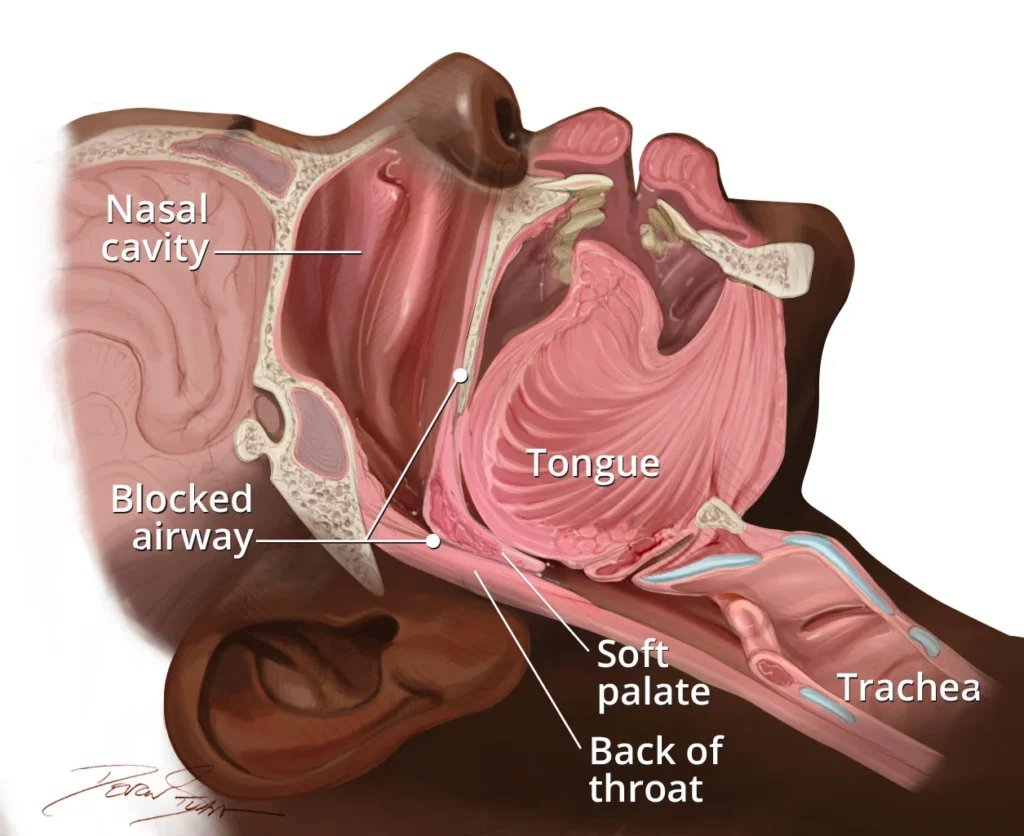
Most anti-snoring mouthpieces aim to improve airflow by changing jaw or tongue position during sleep. When snoring is driven by relaxed tissues and a narrowed airway, that repositioning can reduce vibration—and reduce noise.
It’s a waste when snoring is mostly driven by factors a mouthpiece can’t fix, like heavy nasal congestion, certain medications, or drinking close to bedtime. It’s also not a substitute for medical evaluation if sleep apnea is suspected.
Quick “likely vs less likely” checklist
- More likely to help: snoring worse on your back, small jaw/receding chin, partner reports steady snore without clear pauses, you wake with dry mouth.
- Less likely to help: major nasal blockage, frequent gasping/choking, very high sleepiness, uncontrolled reflux symptoms at night.
What should you look for before buying a mouthpiece?
Think like a budget shopper, not a biohacker. You’re trying to avoid a drawer full of abandoned sleep gadgets.
1) Fit and comfort (because you have to keep it in)
If it’s bulky or triggers gagging, you won’t use it. Comfort beats fancy marketing every time.
2) Jaw friendliness
Pay attention to morning jaw soreness, tooth pain, or headaches. Mild adjustment can happen early on, but persistent pain is a stop sign.
3) Ability to breathe through your mouth if needed
Some people can’t reliably nasal-breathe all night, especially during allergy season or after travel. If you’re congested often, plan for that reality.
4) Cleaning and durability
If cleaning is annoying, it won’t happen consistently. Look for materials and shapes that are easy to rinse and brush.
If you want to compare device styles without getting lost, start here: anti snoring mouthpiece.
What “sleep trends” are worth pairing with a mouthpiece?
Some trends are basically common sense with better branding. Combine a mouthpiece trial with these low-cost moves:
- Schedule consistency: keep wake time steady, even after a rough night.
- Alcohol timing: if you drink, avoid it close to bedtime to reduce airway relaxation.
- Side-sleeping strategy: a body pillow or positional cue can reduce back-sleep snoring.
- Travel reset: after flights or hotel stays, prioritize hydration and nasal comfort to reduce “first-night” snoring.
- Wind-down boundaries: burnout loves revenge bedtime procrastination. Put a hard stop on work messages.
Those steps won’t make you an Olympian. They can, however, make your sleep less fragile—especially when paired with a device that targets the snoring itself.
When is snoring a “get help” issue, not a DIY project?
Be direct with yourself here. Snoring can be harmless, but it can also be a sign of obstructed breathing during sleep.
- Get evaluated soon if you have choking/gasping, witnessed breathing pauses, or extreme daytime sleepiness.
- Take it seriously if you have high blood pressure, heart risks, or you’re waking up with headaches.
- Don’t ignore it if your partner moves rooms regularly or you’re relying on stimulants to function.
If you’re also navigating benefits paperwork related to sleep apnea, you’ll see a lot of discussion online about documentation and ratings. Keep that separate from shopping for snoring gadgets. One is a medical/legal process; the other is a comfort tool.
FAQs
Do anti-snoring mouthpieces work for everyone?
No. They tend to help when snoring is related to jaw position or airway narrowing, but they may not help with congestion, alcohol-related snoring, or untreated sleep apnea.
Is snoring always a sign of sleep apnea?
Not always, but loud, frequent snoring with choking/gasping, daytime sleepiness, or high blood pressure can be a red flag. A clinician can confirm the cause.
Can I use an anti snoring mouthpiece if I have TMJ?
It depends. Some people with jaw issues feel worse with certain devices. If you have TMJ pain, popping, or locking, get dental guidance before using one.
How long does it take to get used to a mouthpiece?
Many people adapt over several nights to a couple of weeks. If pain, numbness, or bite changes persist, stop and reassess the fit or device type.
What’s the difference between a boil-and-bite and a custom device?
Boil-and-bite models are cheaper and faster to try, but fit varies. Custom options usually fit better and may feel more stable, but cost more and take longer.
Ready to test a mouthpiece without overthinking it?
Skip the endless gadget loop. Pick one approach, run a two-week trial, and track whether mornings improve for you (and sleep improves for your partner).