
Before you try another sleep gadget, run this checklist.
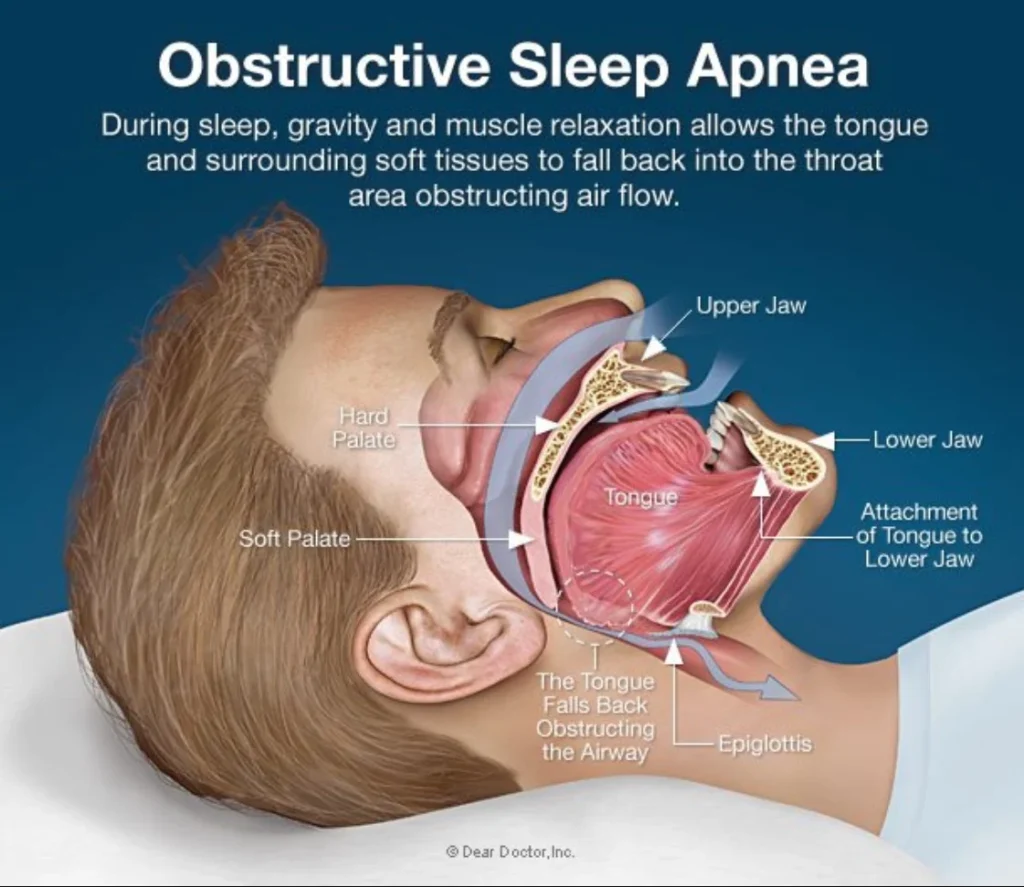
- Track the pattern: Is snoring worse after alcohol, late meals, or travel days?
- Check the nose first: Nighttime stuffiness can push mouth breathing and make snoring louder.
- Try the simple levers: Side-sleeping, consistent bedtime, and a cool, dark room.
- Screen for red flags: Choking/gasping, witnessed pauses, or heavy daytime sleepiness.
- Then consider an option you can actually stick with: an anti snoring mouthpiece if it fits your situation.
People are talking about sleep more than ever—burnout, travel fatigue, “biohacking” trends, and yes, relationship humor about the nightly snore soundtrack. At the same time, dentistry and airway-focused conversations are getting more mainstream, with clinics highlighting sleep and breathing health as part of overall wellness. The key is staying practical: spend where it helps, skip what doesn’t.
Why is everyone suddenly obsessed with sleep quality?
Because bad sleep shows up everywhere. It hits mood, focus, workouts, and patience in meetings. It also spills into partnerships. If one person is up at 2 a.m. listening to snoring, both people pay for it the next day.
Add modern life to the mix. Late-night screens, odd work hours, and frequent travel can disrupt routine. Many people respond by buying gadgets. Some help. Many end up in a drawer.
What does snoring actually mean for sleep health?
Snoring usually happens when airflow gets noisy as tissues in the upper airway vibrate during sleep. It can be occasional and harmless. It can also be a clue that breathing is getting partially blocked at night.
Snoring is not the same thing as sleep apnea. Still, major medical sources describe sleep apnea as a condition that involves repeated breathing interruptions during sleep, and snoring can be one sign among others. If you’re seeing red flags, don’t “DIY” forever.
Quick red-flag screen (don’t ignore these)
- Witnessed breathing pauses
- Gasping or choking during sleep
- Morning headaches or dry mouth that’s getting worse
- High blood pressure concerns or new palpitations
- Severe daytime sleepiness (especially while driving)
Could my nose be the real problem?
Sometimes, yes. Nasal obstruction can contribute to mouth breathing, which often makes snoring louder and sleep feel less refreshing. If your nose is frequently blocked at night, the “best” mouthpiece may not feel great, because you’re still fighting airflow issues.
Practical angle: address nasal comfort before you judge anything else. You’ll get a clearer read on what’s working.
What at-home changes are worth trying before spending money?
These aren’t flashy, but they’re cheap and testable. Give each one a short trial so you don’t change five variables at once.
1) Side-sleeping setup
Back sleeping often makes snoring worse for many people. A body pillow or a simple positional change can be a real win, especially after travel or long workdays.
2) Timing: alcohol and late meals
If snoring spikes after drinks or heavy late dinners, that’s useful data. You don’t need perfection. You need a pattern you can control.
3) Bedroom basics
Cooler temperature, less light, and fewer wake-ups matter. Sleep “hygiene” sounds like a trend term, but the basics still move the needle.
Where does an anti snoring mouthpiece fit in?
An anti-snoring mouthpiece is a tool, not a personality. It may help when snoring relates to jaw position, tongue position, or airway narrowing that improves when the lower jaw is supported forward. Many people look at mouthpieces because they’re a one-time purchase and easy to test at home.
Budget lens: the goal is to avoid buying three random gadgets and hoping one sticks. A mouthpiece can be a focused experiment if your symptoms match and you can tolerate it.
Common types you’ll see
- Mandibular advancement devices (MAD-style): encourage the lower jaw forward.
- Tongue-retaining devices (TRD-style): aim to keep the tongue from falling back.
What “success” looks like (keep it measurable)
- Partner reports less frequent or quieter snoring
- You wake up fewer times
- Less morning grogginess over a week or two
Common friction points (so you don’t quit on night two)
- Jaw soreness early on
- Dry mouth
- Fit issues that cause wake-ups
If you want to compare options without guesswork, start here: anti snoring mouthpiece.
Is this connected to “airway dentistry” people mention in the news?
In general terms, airway-focused dentistry discussions look at how oral structures, breathing, and sleep can interact. Some dental practices highlight screening and oral appliance approaches as part of broader sleep and breathing health conversations.
If you’re curious about the broader trend and why it’s being discussed, this reference is a helpful starting point: Creative Smiles Dentistry Advances Airway Dentistry to Address Sleep and Breathing Health in Tucson – The Courier-Journal.
How do I avoid wasting a month on the wrong fix?
Use a two-week, low-drama test plan.
- Week 1: Pick one baseline change (like side-sleeping) and keep everything else steady.
- Week 2: If snoring persists, trial a mouthpiece option and track comfort + results nightly.
Keep the goal simple: fewer disruptions. Not a perfect sleep score. Not a new wearable screenshot.
When is a mouthpiece not the right move?
If you suspect sleep apnea, get evaluated rather than self-treating indefinitely. Also pause if you develop significant jaw pain, tooth pain, or bite changes. Comfort matters because the best tool is the one you can actually use consistently.
Medical disclaimer: This article is for general education only and is not medical advice. Snoring can have many causes, and some require professional evaluation. If you have symptoms of sleep apnea (like breathing pauses, gasping, or severe daytime sleepiness), talk with a qualified clinician.