
Blog Post: Snooze and Lose the Snoring: 5 Positions to Help You Sleep Better
Are you tired of being woken up by your own snoring or your partner’s? Snoring can disrupt your sleep and lead to fatigue and irritability the next day. It can also be a sign of a more serious health issue, such as sleep apnea. But fear not, there are simple changes you can make to your sleeping position that can help reduce or eliminate snoring. In this blog post, we will discuss five positions that can help you sleep better and reduce snoring.
1. Side Sleeping
One of the most effective positions for reducing snoring is side sleeping. When you sleep on your side, your airways are less likely to be obstructed, which can lead to snoring. To sleep on your side, lie on your side with a pillow between your knees. This will help keep your spine aligned and reduce strain on your hips and lower back. You can also try propping yourself up with pillows to prevent yourself from rolling onto your back during the night.
2. Elevate Your Head
Another position that can help reduce snoring is sleeping with your head elevated. This can help keep your airways open and prevent snoring. You can achieve this by using a wedge pillow or by propping up your regular pillow with some additional pillows. Make sure to elevate your head and not just your neck, as this can cause strain on your neck and shoulders.
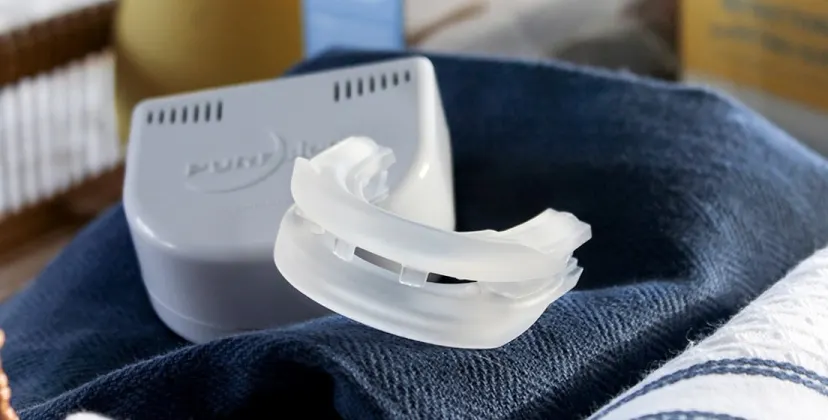
Snooze and Lose the Snoring: 5 Positions to Help You Sleep Better
3. Sleeping on Your Stomach
While it may not be the most comfortable position for some, sleeping on your stomach can also help reduce snoring. This position can help keep your airways open and prevent your tongue from falling back and obstructing your airways. However, it’s important to note that sleeping on your stomach can also put strain on your neck and back, so it’s essential to use a supportive pillow and not to overdo it.
4. Avoid Sleeping on Your Back
Sleeping on your back is the most common position for snorers, as it can cause the tongue and soft tissues in the throat to collapse and block the airways. If you are a back sleeper, try to train yourself to sleep in a different position by using pillows or other methods to prevent yourself from rolling onto your back during the night. You can also try sleeping in a recliner to keep yourself elevated and prevent back sleeping.
5. Use a Body Pillow
A body pillow can be a game-changer for snorers. It can help keep your body aligned and prevent you from rolling onto your back. It can also provide support for your neck and shoulders, reducing strain and snoring. If you don’t have a body pillow, you can try using regular pillows to create a similar effect.
Summary:
Snoring can disrupt your sleep and lead to fatigue and irritability the next day. However, there are simple changes you can make to your sleeping position that can help reduce or eliminate snoring. Side sleeping, elevating your head, sleeping on your stomach, avoiding sleeping on your back, and using a body pillow are all effective positions for reducing snoring. By making a few adjustments to your sleeping position, you can enjoy a better night’s sleep and say goodbye to snoring.